
Who Is Amitabh Kant? 1980-Batch IAS Officer Reveals Why He Almost Quit the Service After 11 Months Without a Posting
Former NITI Aayog CEO and India’s former G20 Sherpa Amitabh Kant has revealed that he once considered resigning from the IAS after remaining without a posting for nearly 11 months following a controversial anti-encroachment drive in Kozhikode, Kerala. He also recalled how his subsequent assignments transformed Kerala’s tourism identity and improved the livelihoods of traditional fishing communities.
A distinguished career in public administration is often remembered for landmark initiatives, policy reforms and national achievements. However, former NITI Aayog CEO Amitabh Kant has revealed that his own journey in the Indian Administrative Service (IAS) included a particularly difficult phase when he came close to abandoning the service altogether.
The 1980-batch Kerala-cadre IAS officer recalled that he spent approximately 11 months without an official posting following political opposition to an anti-encroachment campaign he had undertaken as District Collector of Kozhikode.
Speaking about his nearly 45-year public service career, Kant said the experience left him feeling that his administrative career was effectively over. At one point, he seriously considered resigning from the IAS.
Ironically, the assignment he received after this prolonged period without a posting became one of the most defining chapters of his career.
Anti-Encroachment Drive in Kozhikode Triggered Political Opposition
During his tenure as District Collector of Kozhikode, Kant launched an extensive campaign to remove illegal encroachments from public spaces and restore areas occupied by commercial establishments and buildings.
The drive reportedly resulted in the removal of around 450 encroachments from the city’s central green belt, helping restore the area now known as Mananchira Maidan.
His tenure also saw several urban infrastructure initiatives, including the expansion of 29 roads, construction of a city bypass and development work associated with Kozhikode airport.
However, the anti-encroachment campaign generated considerable political opposition. Kant recalled that one of the properties removed during the exercise belonged to a five-star hotel whose owner subsequently became a minister and Deputy Chief Minister of Kerala.
The ensuing political fallout reportedly led to cases being initiated against him. He was subsequently left without an official posting for approximately 11 months.
Recalling the difficult period, Kant said he felt his career had come to an end and that resigning from the service appeared to be a better option.
Kerala Tourism Assignment Turned a Difficult Phase Into a Career-Defining Opportunity
After nearly 11 months without a posting, Kant was appointed Secretary of Tourism in the Kerala government.
Although the assignment was initially perceived by some as a punishment posting, it eventually became one of his most significant contributions to public administration.
At the time, Kerala had considerable natural and cultural tourism potential but lacked the nationwide and international visibility it enjoys today. Kovalam was among the state’s established tourist destinations.
Kant recognised that Kerala needed a distinct tourism identity rather than simply following conventional international tourism models.
He helped develop a promotional strategy highlighting the state’s backwaters, lush landscapes, traditional art forms, Ayurveda, local cuisine and cultural heritage.
This approach contributed to the emergence and promotion of the now-famous ‘God’s Own Country’ tourism identity.
How Amitabh Kant Helped Shape Kerala’s Tourism Identity
Some of the important elements of the tourism strategy included:
Promoting Kerala’s backwaters, beaches and natural landscapes.
Showcasing traditional art forms such as Kathakali and Mohiniyattam.
Highlighting Kalaripayattu, Ayurveda and indigenous wellness traditions.
Promoting local cuisine, cultural heritage and traditional lifestyles.
Developing a distinctive tourism brand rooted in Kerala’s regional identity.
The initiative helped position Kerala as a distinctive destination in India’s domestic and international tourism markets.
How Kant Helped Increase Fishermen’s Share of Earnings From 18% to Nearly 90%
Another experience Kant described as particularly satisfying was his work with traditional fishing communities during his early years in Kerala.
Initially disappointed at being allotted the Kerala cadre in 1980, having completed his schooling in Uttar Pradesh and Delhi, he made a conscious effort to understand the state’s language and society.
He studied Malayalam regularly for two years and subsequently spent nearly four years working closely with fishing communities.
During this period, he observed that fishermen were receiving only around 18 per cent of the market value of their catch, while intermediaries captured a substantial share of the earnings.
Kant initiated interventions aimed at improving fishing technology, strengthening market access and ensuring that fishermen received a larger share of the money generated from their catch.
Key Initiatives for Traditional Fishing Communities
Modern fishing technology: Introduction of outboard motors and fibreglass fishing crafts to improve fishing capabilities.
Improved fishing equipment: Promotion of better fishing nets, including those popularly referred to as disco nets.
Beach-level auctions: Establishment of local auction systems to reduce dependence on intermediaries.
Transport facilities: Introduction of dedicated bus services for fisherwomen.
Financial inclusion: Opening of bank accounts for fishermen to encourage savings and improve financial security.
According to Kant, these interventions helped increase fishermen’s share of the market price from approximately 18 per cent to nearly 90 per cent.
He described his time living and working with fishing communities as the most satisfying experience of his life.
From Incredible India to Make in India: Amitabh Kant’s National Assignments
Kant moved to New Delhi on central deputation in 2001, joining the Union Ministry of Tourism as Joint Secretary.
During his tenure, he played an important role in the development and promotion of the Incredible India campaign, launched in 2002 to strengthen India’s image as an international tourism destination.
He subsequently held several important positions in the Union government and contributed to major economic and industrial development initiatives.
His responsibilities included serving as Secretary of the Department of Industrial Policy and Promotion (DIPP) and CEO of the Delhi-Mumbai Industrial Corridor Development Corporation.
He was also associated with initiatives such as Make in India and Startup India.
Major Positions and Contributions in Amitabh Kant’s Career
1. Kerala Tourism Secretary: Contributed to the development and promotion of Kerala’s distinctive tourism identity, including the ‘God’s Own Country’ branding.
2. Joint Secretary, Union Ministry of Tourism: Played an important role in India’s Incredible India tourism campaign.
3. Secretary, Department of Industrial Policy and Promotion: Associated with major industrial development and investment promotion initiatives, including Make in India and Startup India.
4. CEO, Delhi-Mumbai Industrial Corridor Development Corporation: Worked on the development of the ambitious industrial corridor project.
5. CEO, NITI Aayog (2016-2022): Led and supported major policy initiatives, including the Aspirational Districts Programme, Production-Linked Incentive (PLI) schemes and India’s National AI Strategy.
6. India’s G20 Sherpa (2022-2025): Played a key role in coordinating India’s G20 negotiations and building consensus around the New Delhi Leaders’ Declaration during the 2023 G20 Presidency.
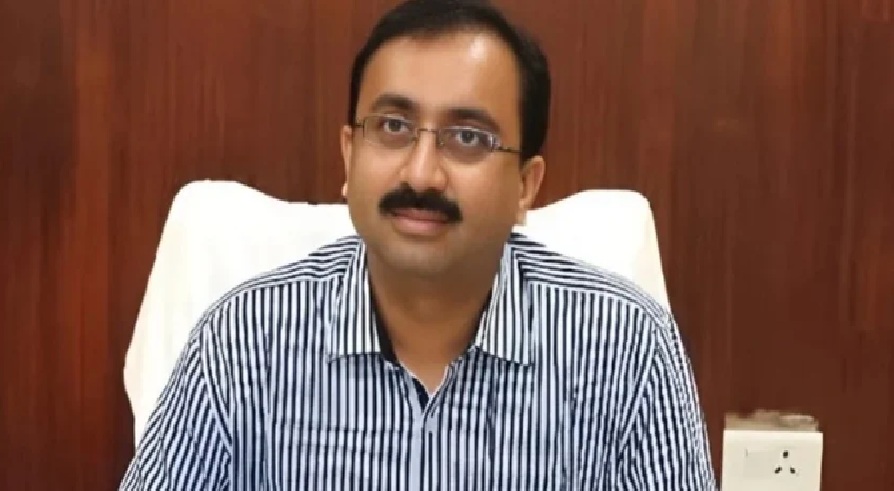
Who Is Amitabh Kant?
Amitabh Kant is a retired 1980-batch IAS officer of the Kerala cadre, widely recognised for his contributions to public administration, tourism promotion, industrial policy and economic development.
He studied Economics at St. Stephen’s College, University of Delhi, before pursuing postgraduate studies in International Relations at Jawaharlal Nehru University (JNU). He is also a Chevening Scholar.
Over the course of his administrative career, Kant served in several important positions in the Kerala government and the Union government.
He served as CEO of NITI Aayog from 2016 to 2022 and subsequently represented India as its G20 Sherpa during a crucial period of international economic diplomacy.
His professional journey encompasses several landmark initiatives, from promoting Kerala tourism and improving the economic position of fishing communities to advancing India’s industrial development and representing the country at the G20.
His recent recollections also reveal a lesser-known side of his career: the uncertainty and professional setbacks that once brought him close to resigning from the IAS.
The experience illustrates how an unexpected administrative setback can sometimes become the starting point of an entirely new chapter in public service.