

In a significant step toward participatory conservation, the Maharashtra Forest Department has partnered with Microsoft and the Centre for Youth Development and Activities (CYDA) to enhance eco-tourism infrastructure and promote environmental stewardship in the Tamhini Wildlife Sanctuary. This innovative collaboration brings together government, corporate, and civil society stakeholders to address key ecological and tourism-related challenges in the region.
Project Rollout and Funding
The project, funded by Microsoft and implemented on-ground by CYDA in coordination with forest officials, is set to begin in July 2025, according to official sources.
Tamhini Wildlife Sanctuary: A Biodiversity Hotspot Under Pressure
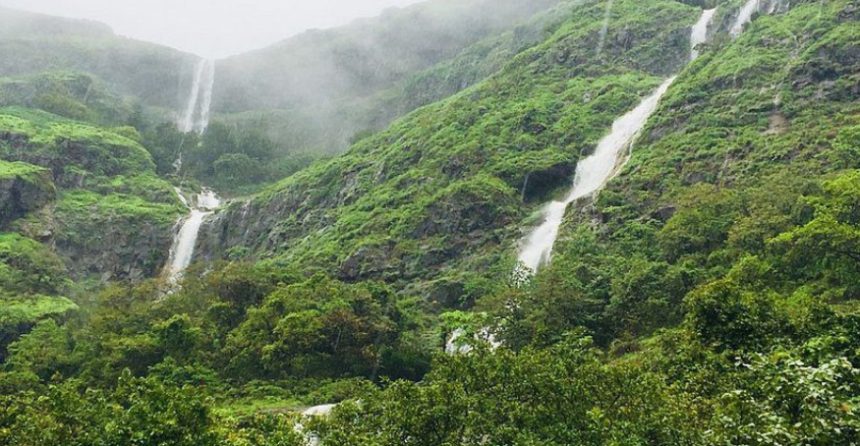
Situated about 70 km from Pune in the Western Ghats—recognized as a UNESCO World Heritage Site and one of the world’s eight most critical biodiversity hotspots—Tamhini Sanctuary boasts breathtaking monsoon landscapes and attractions such as Andharban Forest, Plus Valley, and Devkund Waterfalls. These scenic sites attract thousands of nature lovers, trekkers, and birdwatchers each year.
However, unregulated tourism and lack of infrastructure have posed serious challenges, putting both visitor safety and ecosystem health at risk.
Planned Interventions: Infrastructure & Awarenss
Based on a needs assessment conducted by CYDA, several key upgrades will be implemented:
Directional signboards for trekkers
Benches along long hiking routes
Entry gates to regulate visitor flow
Solar lighting to improve safety and reduce carbon footprint
Drinking water and sanitation facilities for tourists and staff
Plastic waste management systems including bins and bottle crushers
“This trek can be physically demanding, and the absence of basic amenities like benches and lighting has been a longstanding issue,” said Prasad Zaware, Microsoft’s Community Engagement Officer.
Community-Led Conservation at the Core
Tushar Chavan, Deputy Conservator of Forests (Wildlife), emphasized that the project represents a community-first approach to conservation.
“This partnership is a vital step in promoting participatory conservation, integrating local communities, and applying nature-based solutions to address biodiversity and climate challenges,” he noted.
The initiative also supports sustainable tourism goals, seeking to combine environmental restoration with visitor education, infrastructure development, and grassroots involvement.
Corporate Social Responsibility in Action
Srichandana Nagoji, Community Affairs Lead (India and Kuala Lumpur) at Microsoft, reiterated the company’s commitment to localized conservation efforts:
“Our partnership reflects Microsoft’s belief in empowering communities through sustainable, technology-backed solutions that strengthen both ecosystems and livelihoods.”
With this collaboration, Tamhini Wildlife Sanctuary is poised to become a model for responsible eco-tourism and community-driven conservation—offering both protection for nature and a better experience for visitors.