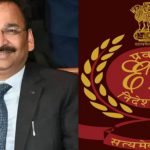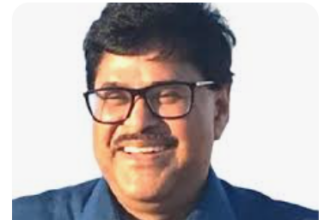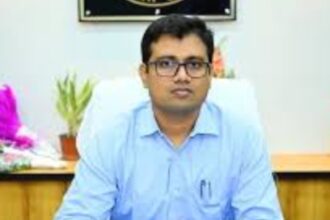


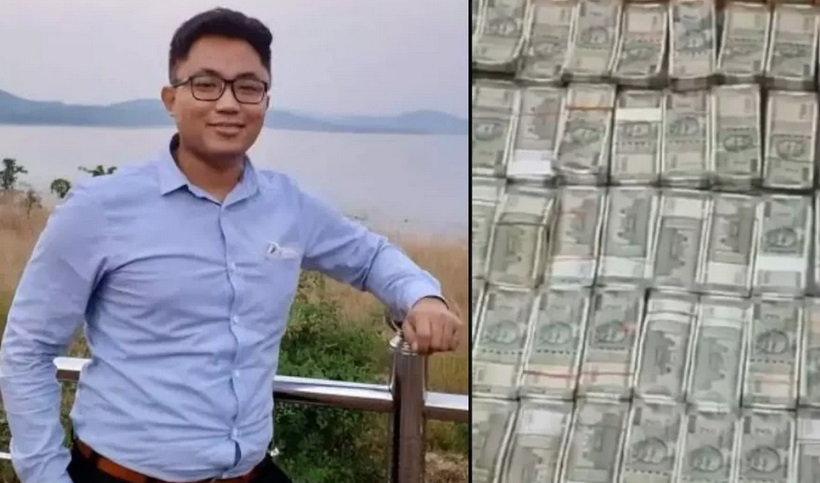
The recent arrest of IAS officer Dhiman Chakma on bribery charges in Odisha has sent shockwaves across both bureaucratic circles and the public. But what makes this case especially disturbing isn’t just the act of corruption—it’s the dramatic contrast between Chakma’s public persona and his alleged private conduct. Here was a young bureaucrat who spoke passionately about honesty and ethics, while reportedly violating those very principles behind closed doors.
A 2021-batch IAS officer serving as Sub-Collector of Dharmagarh in Kalahandi district, Chakma was apprehended by Odisha Vigilance for allegedly demanding a ₹20 lakh bribe from a local businessman. A subsequent raid on his residence uncovered ₹47 lakh in unaccounted cash. He has since been remanded to 14-day judicial custody by the Special Vigilance Court in Bhawanipatna.
The Collapse of a Carefully Curated Image
What makes Chakma’s alleged misconduct even more unsettling is the vivid contradiction between his inspirational image and his reported actions. Widely circulated videos show him delivering motivational speeches to UPSC aspirants, young civil servants, and participants in government awareness programs—where he stressed the values of integrity, transparency, and public service. His words were often rooted in his own journey: a self-made candidate from Tripura, cracking the UPSC twice without the aid of elite coaching institutions.
He spoke about “discipline in service,” “ethical conduct,” and the “moral responsibility” of being a civil servant. For many, especially in the Northeast, he became a symbol of what honest perseverance could achieve. And yet, the charges against him now represent a complete betrayal of the values he so convincingly preached.
A Deeper Crisis: When Rhetoric Replaces Ethics
The dissonance between Chakma’s words and actions is not merely ironic—it is deeply troubling. It raises an urgent question: Can someone convincingly promote values they have no intention of upholding? His case is a stark reminder that eloquence is no guarantee of integrity, and that ethical failure at the top can unravel the credibility of the entire administrative system.
This is not just a story about one officer’s fall. It signals a broader erosion of ethical commitment in the civil services. When those entrusted with governance abandon their moral compass, it undermines the very fabric of public trust.
A Stain on Civil Service Aspirations
Chakma’s journey had once served as a guiding light for aspiring bureaucrats, especially those from underrepresented regions. His rise was seen as evidence that integrity and hard work could triumph over privilege. Now, that narrative stands tainted. His association with respected platforms like Drishti IAS, where he mentored countless future officers, only deepens the sense of disillusionment.
The implications are systemic. Each such incident chips away at the public’s faith in institutions meant to embody fairness, justice, and service. It also prompts hard questions: Are ethical values truly being instilled during bureaucratic training? Are the current accountability mechanisms enough to deter such breaches?
Rebuilding Trust: A Call for Institutional Introspection
The Dhiman Chakma case is more than a bribery scandal—it is a moment of reckoning for the civil service. It calls for introspection, not just from individuals but from the administrative framework as a whole. Oversight bodies must act not only to punish but to prevent, ensuring that ethical standards are more than ceremonial rhetoric.
For the public, this case reinforces a growing skepticism—that lofty ideals often remain confined to speeches, while real-world actions tell a different story. The challenge now is to transform this moment of disillusionment into an opportunity for reform. If there is to be hope, it lies in ensuring that those who champion integrity must also embody it—restoring public confidence, one ethical decision at a time.