

Youngest DM in Tripura’s History Assumes Charge
Appears To Be Unprecedented Bureaucratic Shake-up: IAS Officer Rinku Lather (2021 Batch) Appointed DM of Gomati, Superseding 17 Seniors — Sparks Debate on Merit, Seniority, and Transparency Amid Questions Over Political Influence and Administrative Ethics
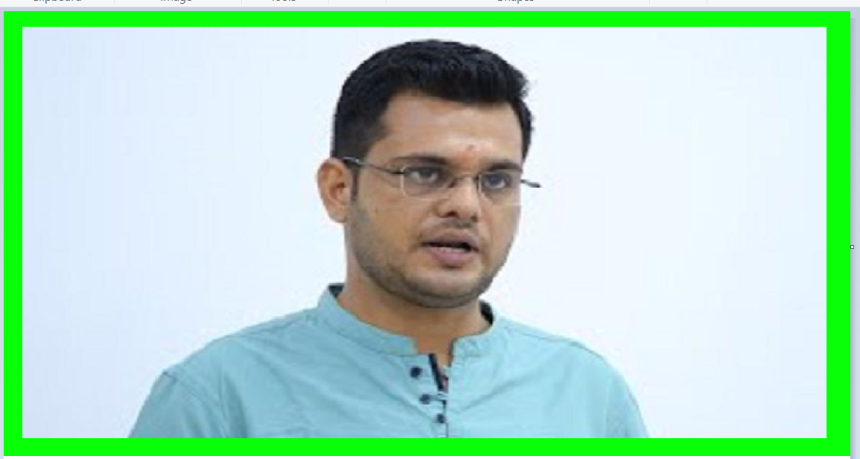
In a move that has triggered widespread debate within administrative and bureaucratic circles, the Tripura government, on July 1, 2025, appointed Shri Rinku Lather, a 2021-batch Indian Administrative Service (IAS) officer, as the District Magistrate and Collector of Gomati District.
What makes this decision historic—and controversial—is the fact that Shri Lather has been elevated to this key post after just four years in service, superseding 17 officers from the 2013 to 2020 batches of the IAS and Tripura Civil Service (TCS). Officials and observers alike have described this appointment as one of the most unprecedented in Tripura’s recent bureaucratic history, if not in the entire Indian Administrative Service.
An Appointment That Breaks Conventional Norms
While instances of junior officers taking on challenging assignments are not new, the scale and nature of this supersession have raised significant eyebrows. Officers passed over for the Gomati DM post include several seasoned bureaucrats currently holding senior leadership roles across critical departments. Among them are:
Shri Ratan Biswas (TR:2013) – Secretary, Tripura Human Rights Commission
Ms Kuntal Das (TR:2013) – Director, State Level Monitoring Cell & Swachh Bharat Mission
Shri Ajit Sukladas (TR:2014) – Director, Handloom, Handicrafts & Sericulture
Ms Aditi Majumder (TR:2015) – Commissioner, Departmental Inquiries
Shri Mihir Kanti Gop (TR:2019) – Additional Director, Urban Development
Many others bypassed in this decision are serving in high-stakes portfolios, including Rural Development, Fisheries, Social Welfare, and Cooperative Societies. Internally, the decision has been called “record-breaking”, while some external analysts are describing it as “unsettling” from an institutional perspective.
A Divisive Debate: Youthful Merit vs. Bureaucratic Morale
Although some view the appointment as a bold step endorsing young leadership, many senior bureaucrats have expressed dismay, noting that such decisions — when made without clear justification — may severely impact morale within the civil services.
A senior officer, speaking on condition of anonymity, remarked:
“This isn’t about one officer. It’s about the message this sends. When officers who have worked with integrity and competence for over a decade are overlooked, it raises questions about fairness and transparency. The sanctity of seniority-based systems shouldn’t be discarded without a compelling rationale.”
Another senior official added,
“The lack of documented performance differentiation or a formalized merit-based selection process only deepens the uncertainty. It’s imperative that such appointments are explained transparently to protect institutional integrity.”
All Other DMs in Tripura Senior to Lather
The extraordinary nature of the move becomes even more evident when one considers that all other serving District Magistrates in Tripura are senior to Shri Lather, including:
Shri Tamal Majumder (TR:2013) – DM, Unakoti
Dr Vishal Kumar (TR:2016) – DM, West Tripura
Ms Chandni Chandran (TR:2017) – DM, North Tripura
Shri Vivek H. B. (TR:2020) – DM, Dhalai
This reinforces the perception that Shri Lather’s appointment defies established administrative progression, making it a case of national significance within bureaucratic circles.
Political Signals? The Transfer of Tarit Kanti Chakma Adds Fuel
Compounding the controversy is the abrupt transfer of Shri Tarit Kanti Chakma (IAS:2017) from his post as CEO, Tripura Rural Livelihood Mission (TRLM) — a move that is widely believed to have occurred under political pressure from TIPRA Motha, a regional political force.
The timing of these back-to-back decisions — Lather’s promotion and Chakma’s transfer — has raised fears of growing political interference in bureaucratic appointments, sparking concerns over the erosion of institutional autonomy and administrative impartiality.
A Flashpoint for Larger Debates in Civil Services
This sequence of events has reignited enduring debates within India’s administrative services regarding the balance between:
Merit vs. Seniority
Political influence vs. Institutional independence
Youthful energy vs. Experienced leadership
While Shri Rinku Lather may well possess the capabilities to handle the challenges of a DM’s office, the absence of a transparent evaluation process, the scale of seniority bypassed, and the political undertones associated with recent appointments have led many to call for clear, merit-based criteria in high-level postings.
As the conversation around administrative reform gains momentum across India, this decision in Tripura may become a landmark case in discussions about bureaucratic ethics, fairness, and the future of the civil services.