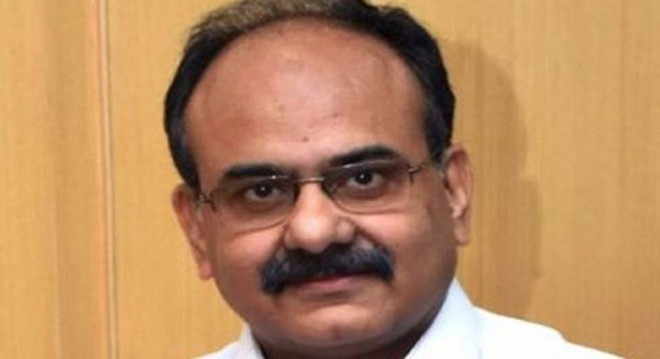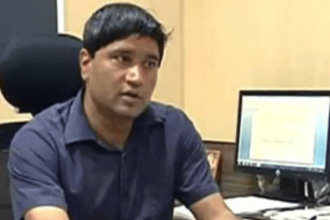


“Utilize DMF funds efficiently to uplift mining-affected communities,” says Mines Secretary V.L. Kantha Rao
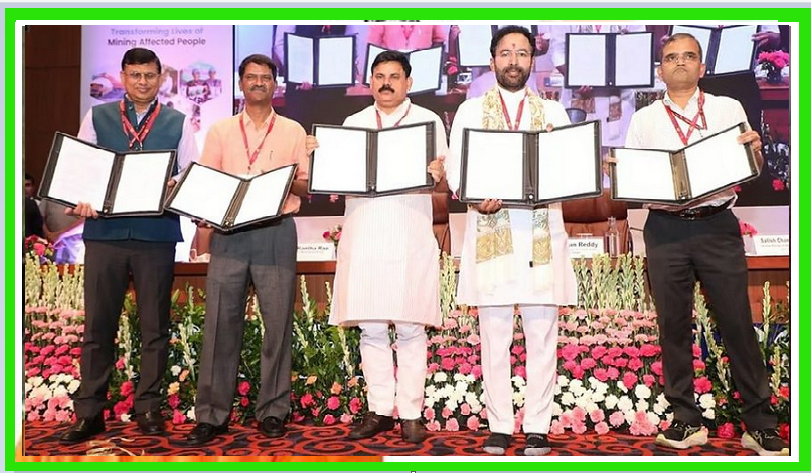
The Union Ministry of Mines has called on District Collectors across the country to ensure the timely implementation of projects funded under the District Mineral Foundation (DMF) scheme and to proactively address the concerns of communities impacted by mining activities. The message was delivered during a National DMF Workshop held in New Delhi, which brought together senior officials from both the central and state governments.
Speaking at the event, Mines Secretary V.L. Kantha Rao underlined the pivotal role of District Collectors, who serve as Chairpersons of the Governing Council and Managing Committee of DMFs in their districts.
“There is significant public scrutiny regarding the use of such a large fund. The government’s stance is clear — it is the collector’s responsibility to ensure that DMF projects are implemented efficiently and in a timely manner for the benefit of mining-affected populations,” Rao said.
DMF: A Crucial Mechanism for Development in Mining Regions
The District Mineral Foundation, operational in 645 districts across 23 states, is a statutory non-profit fund created under the Mines and Minerals (Development and Regulation) Act, 1957. It is designed to improve the living standards in mining-affected regions, drawing financial support from a share of royalty payments made by mining companies.
Concerns Raised Over Non-Utilisation and Mismanagement
The Mines Secretary acknowledged several complaints regarding the functioning of DMFs, including underutilization of funds, project delays, and lack of community involvement.
“In one state, DMF spending is literally zero. We have received various complaints, and such issues must be addressed urgently,” Rao noted, though he did not name the state in question.
He warned that such lapses threaten to undermine the primary goal of the DMF—enhancing livelihoods, education, healthcare, drinking water, and infrastructure in resource-rich but underserved areas.
DMF Spending Must Comply with PMKKKY Guidelines: Minister
Union Minister for Coal and Mines G. Kishan Reddy, also speaking at the workshop, emphasized that all DMF expenditures must strictly adhere to the Pradhan Mantri Khanij Kshetra Kalyan Yojana (PMKKKY) guidelines.
Launched to promote inclusive and sustainable development in mining regions, PMKKKY mandates that at least 60% of DMF funds be allocated to high-priority areas such as health, education, skill development, clean drinking water, and sanitation.
“The DMF fund is a lifeline for communities affected by mining. It should be spent transparently, responsibly, and in accordance with PMKKKY norms,” said Minister Reddy.
Strengthening Oversight and Capacity at the District Level
Officials at the workshop stressed the need for robust monitoring systems, regular audits, and capacity building at the district level to ensure the proper and transparent use of DMF funds. The Central Government is also exploring the use of digital platforms for real-time monitoring of DMF-funded projects.