

Major administrative changes reflect Centre’s push to strengthen leadership in key institutions
The Appointments Committee of the Cabinet (ACC) has cleared a series of important bureaucratic appointments and upgradations, including strategic promotions within the Food Corporation of India (FCI) and a new Secretary for the National Commission for Scheduled Tribes (NCST). These decisions underscore the government’s continued focus on empowering experienced officers in roles of national and regional importance.
Two FCI General Managers Elevated to Joint Secretary Level
In a significant move aimed at enhancing administrative capacity in regional FCI operations, the ACC has approved the temporary upgradation of two General Manager (GM) posts to the Joint Secretary (JS) level—Pay Level 14 of the Pay Matrix. These elevations are on a personal basis and aim to reinforce leadership in food procurement and distribution.
The officers promoted are:
Vishesh Garhpale, IAS (2008 batch, Madhya Pradesh cadre) – Currently serving as General Manager, FCI (Madhya Pradesh), his post has been upgraded to JS level till September 7, 2025, or until further orders.
Sharandeep Kaur Brar, IAS (2009 batch, Haryana cadre) – Presently posted as General Manager, FCI (Haryana), her upgradation is valid till August 20, 2026, or until further instructions.
These upgradations are intended to strengthen regional FCI management, particularly in key procurement and supply chain states, by aligning responsibilities with higher administrative ranks.
Prashant Kumar Singh Appointed Secretary, NCST
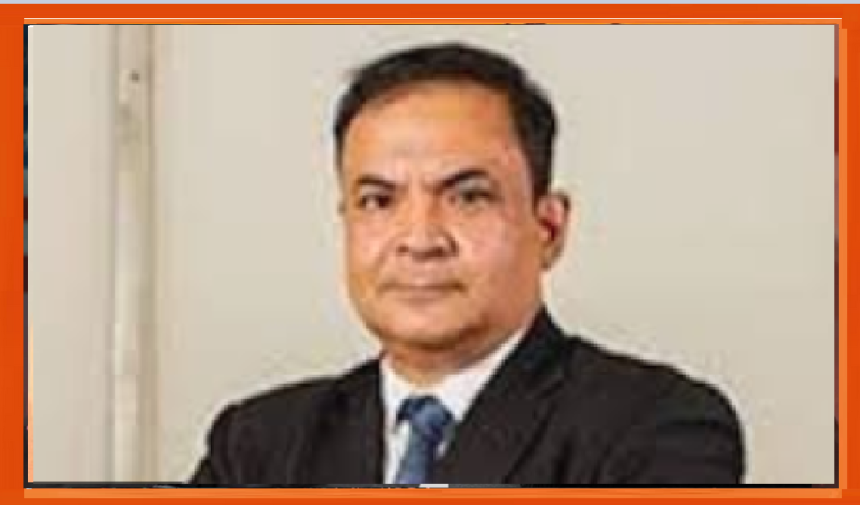
In another important decision, Prashant Kumar Singh, a 1993-batch IAS officer of the Manipur cadre, has been appointed as Secretary of the National Commission for Scheduled Tribes (NCST). He replaces Puneet Kumar Goel (IAS, 1991 batch, AGMUT cadre).
Mr. Singh brings decades of experience from his roles in both northeastern state administration and various central government departments. His appointment is expected to provide strong leadership to the NCST’s mission of tribal welfare, rights protection, and policy formulation for India’s Scheduled Tribes.
These appointments reflect the government’s strategic approach to bureaucratic placements—prioritizing administrative experience, regional knowledge, and functional expertise in pivotal roles that directly impact governance and public service delivery.