

Unusual Nematomorpha Captured on Video in Mohandra Range Signals Ecological Vitality
Known for its population of tigers, leopards, and now cheetahs, the forests of Panna in Madhya Pradesh continue to reveal their ecological wealth. A rare and fascinating creature—commonly called the horsehair worm—was recently spotted in the Motidol Beat of the Mohandra Range, further emphasizing the area’s thriving biodiversity.
Rare Sighting Captured in the Wild
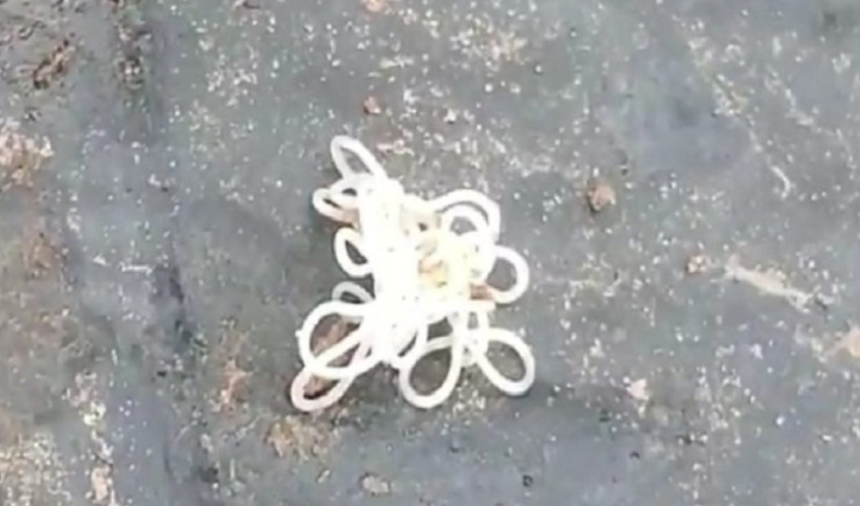
Anupam Sharma, District Forest Officer (South Forest Division) and a 2018-batch Indian Forest Service (IFS) officer, confirmed the sighting. The worm, spotted in damp and muddy terrain, appeared like a tangled thread. Known scientifically as Nematomorpha, these horsehair worms are characterized by their transparent, slender, hair-like bodies, usually pale brown or whitish in color.
Harmless Yet Often Misunderstood
Despite their strange and unfamiliar appearance, these worms are completely harmless to both humans and animals. “They do not sting or bite,” DFO Sharma clarified, noting that their eerie look can often confuse or alarm local villagers unfamiliar with the species.
Dedicated Forest Guard Behind the Discovery
The discovery was made by Beat Guard Arvind Kumar Vishwakarma, who quickly reported the finding to DFO Sharma. Aware of the rarity of such sightings, Sharma shared the video footage across official social media channels to raise awareness about the lesser-known yet vital species inhabiting Panna’s forests.
A Positive Sign of Biodiversity
“This sighting is a strong indicator of Panna’s healthy and balanced ecosystem,” Sharma explained. The presence of such obscure organisms demonstrates the forest’s ecological depth and diversity, beyond its well-known large mammals.
The Horsehair Worm’s Unique Life Cycle
Also referred to as Gordian worms, horsehair worms have a fascinating life cycle. They begin as internal parasites in insects such as grasshoppers, crickets, and beetles. As they mature, they manipulate their host’s behavior—often compelling the insect to enter a water body. Once submerged, the worm emerges and transitions into its free-living aquatic stage.