

With Chief Secretary Dharmendra Kumar set to retire on September 30, Delhi’s corridors of power are abuzz with speculation over his successor.
The choice of Chief Secretary is expected to shape the trajectory of governance in the National Capital Territory (NCT), making this one of the most consequential appointments in recent times.
The Contenders
Four senior IAS officers from the AGMUT cadre are in contention:
Bipul Pathak (IAS:1992)
Ashwani Kumar (IAS:1992)
Punya Salila Srivastava (IAS:1993)
Vikram Dev Dutt (IAS:1993)
Each brings distinct strengths in administration, policy, and experience with Delhi’s governance complexities.
Bipul Pathak: A Powerful but Sensitive Posting
In the September 17 reshuffle, Bipul Pathak was appointed Additional Chief Secretary/Principal Secretary (Home), one of Delhi’s most powerful yet politically sensitive roles. While the assignment underlines his stature, observers suggest it may signal his exclusion from the Chief Secretary race—at least for now.
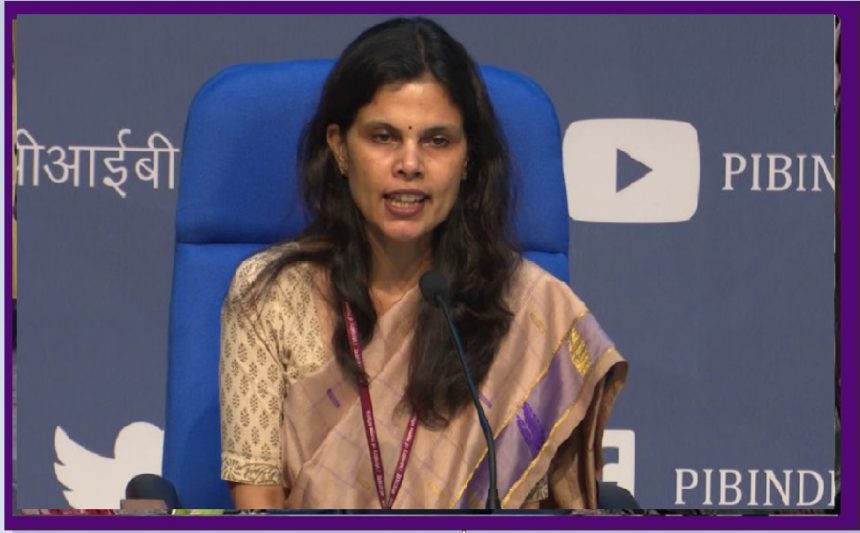
Punya Salila Srivastava: The Leading Name
Currently serving as Secretary, Department of Health and Family Welfare, Punya Salila Srivastava has emerged as the strongest contender. Having held key assignments in both the Prime Minister’s Office (PMO) and the Ministry of Home Affairs (MHA), she brings rare exposure to top decision-making bodies.
Widely respected for her efficiency, composure, and political neutrality, Srivastava’s profile has gained significant momentum in the capital’s speculative circles.
Ashwani Kumar: Deep Institutional Knowledge
Presently Commissioner of the Municipal Corporation of Delhi (MCD), Ashwani Kumar has long been associated with the city’s governance structure. With extensive experience across Home, Revenue, and Urban Development, his familiarity with Delhi’s unique multi-tiered governance model makes him a formidable contender.
Vikram Dev Dutt: A Central Perspective
As Secretary in the Ministry of Coal, Vikram Dev Dutt brings a diversified administrative career spanning health, finance, and services at both the central and Delhi levels. Known for his strategic leadership and ability to balance central and local priorities, he remains a strong candidate.
The Unpredictable Final Call
While Srivastava currently appears to enjoy an edge, seasoned bureaucratic watchers caution that such high-profile appointments often hinge on last-minute considerations—political, administrative, and strategic. The final choice could still surprise many in Delhi’s power corridors.