

Haryana IPS Officer Y. Puran Kumar’s Death: Week-Long Delay in Postmortem as Wife Insists on Arrests; Political Tensions Surge Across States
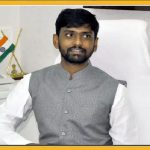
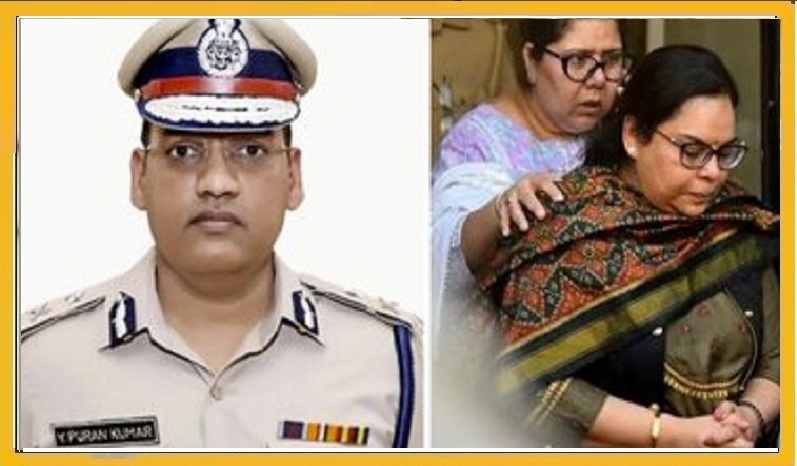
Seven days after the mysterious death of senior Haryana IPS officer Y. Puran Kumar, the case remains entangled in legal hurdles and political uproar. The officer, belonging to the 2001 IPS batch and serving as ADGP, was discovered dead at his official residence in Sector 11, Chandigarh, on October 7. Yet, a week later, the postmortem has not been conducted, as allegations of conspiracy and administrative pressure intensify.
Wife’s Objection Delays Postmortem
Kumar’s wife, Amneet P. Kumar, a 2001-batch IAS officer posted in Punjab, has categorically refused to allow the postmortem until those named in her husband’s alleged suicide note are arrested. She maintains that the death was not self-inflicted but the result of a “planned conspiracy.”
“This Was Murder, Not Suicide,” Says Amneet Kumar
Amneet, who was on an official assignment in Japan when the tragedy occurred, returned to India and declared that her husband had been “systematically harassed.” She has accused top officials—including Haryana DGP Shatrujeet Kapur (IPS, 1990 batch) and former Rohtak SP Narendra Bijarniya (IPS, 2015 batch)—of abetting her husband’s death.
According to insider reports, the alleged suicide note mentioned nearly 15 senior officers, accusing them of mental harassment. The note was reportedly typed on Kumar’s personal laptop, which, crucially, has not yet been submitted for forensic analysis.
Family Refuses Postmortem, Investigation Stuck
Despite repeated appeals from Chandigarh Police and the Special Investigation Team (SIT), Amneet’s family remains firm in their refusal to authorize a postmortem. The SIT has stated that this has effectively stalled the investigation, as the autopsy is essential to determine the exact cause of death and to authenticate the alleged suicide note.
Investigators also lack access to the laptop purportedly used to write the note. Without forensic evidence, fingerprint testing, or medical findings, the case cannot advance. Although Indian law allows police to conduct a postmortem under a magistrate’s supervision in suspicious deaths, no such step has yet been taken—raising questions about official hesitation.
Political Temperatures Rise
The controversy has spiraled into a major political flashpoint, drawing responses from both state and national leaders.
Rahul Gandhi, Leader of the Opposition in Lok Sabha, is reportedly planning to visit Chandigarh soon to meet the family, though no official schedule has been released.
Union Minister Ravneet Singh Bittu said he had spoken to CM Nayab Singh Saini, who assured him that a “significant decision” regarding the case would be announced shortly.
Union Minister Ramdas Athawale, after visiting the bereaved family, called for immediate and strict action. He emphasized Kumar’s Dalit background as one of the reasons he chose to intervene.
From Telangana, Deputy CM Mallu Bhatti Vikramarka has already met Amneet to express solidarity, while Telangana CM Revanth Reddy is expected to visit next.
Meanwhile, Haryana CM Saini has reportedly briefed Governor Asim Ghosh and may travel to Delhi for consultations with senior party leadership.
Former Union Minister Pawan Bansal, INLD leader Abhay Chautala, and Congress leader K. Raju have also met Amneet to extend support.
Bureaucrats Close Ranks Around Amneet
The tragedy has triggered an unprecedented wave of solidarity among civil servants. A large section of the bureaucracy—both IAS and IPS officers—has privately expressed support for Amneet, arguing that her demand for accountability is justified. This has further intensified pressure on the Haryana administration and investigative agencies.
Investigation Paralysed Amid Political Drama
Officials from the Chandigarh Police SIT confirm that without the postmortem and digital evidence, their hands are tied. The family’s retention of the laptop and other key materials has effectively brought the probe to a halt. Despite the legal option of a magistrate-supervised autopsy, authorities appear reluctant to proceed—fueling speculation of political influence.
A Case That’s Become a National Flashpoint
What began as a personal tragedy has now transformed into a national-level confrontation between the bureaucracy and political leadership. Media attention, political visits, and social media outrage have made it one of the most closely watched cases in recent times.
Truth Still Out of Reach
As the standoff continues, the central question remains unanswered — was this suicide or a murder disguised as one? With the postmortem delayed, forensic evidence withheld, and political intervention deepening, the truth risks being obscured by speculation and power politics.
Until the authorities act decisively and transparently, the death of IPS officer Y. Puran Kumar may remain one of the most unsettling and unresolved episodes in recent Indian bureaucratic history.