A procedural lapse in the ongoing caste survey in Bengaluru has sparked debate after senior IAS officer Munish Moudgil’s digital self-enumeration was allegedly disregarded, with officials recording his status as “refused to participate.” The incident has raised questions about the reliability of survey protocols and data integrity.
Survey Entry Overlooked Despite Online Submission
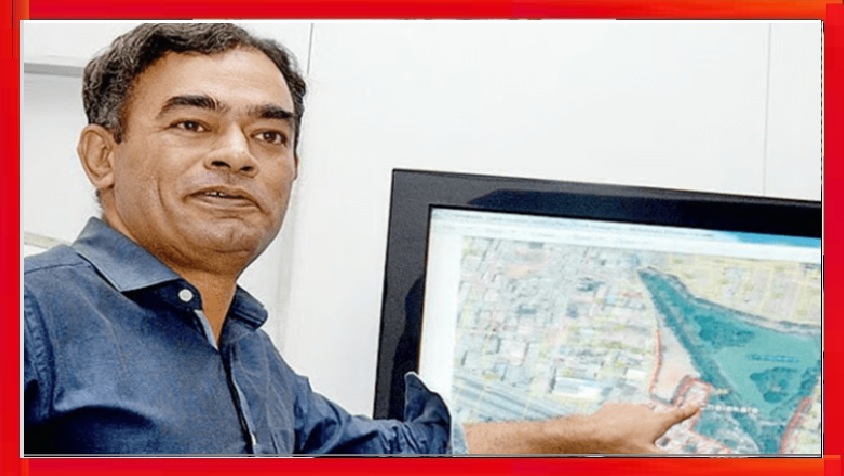
Munish Moudgil, a 1998-batch IAS officer from the Karnataka cadre and one of the key figures overseeing the Greater Bengaluru Area (GBA) caste survey, found himself unexpectedly listed as a non-participant. Sources indicate that field enumerators visited his residence in Vasanthnagar on multiple occasions but were unable to reach him. With the house locked and phone calls unanswered, they followed standard procedure and marked his entry as a refusal in the official survey app.
Clarification from the Officer: “I Submitted My Details Digitally”
Responding to the controversy, Moudgil clarified that he had already completed the self-enumeration process via the government’s online portal. “My workday starts early and ends late. I wasn’t aware that survey teams had come by,” he said. He further suggested that the mislabeling might be a deliberate attempt by certain individuals to stir unnecessary controversy.
Currently involved in managing revenue systems, e-khata services, and electoral roll updates, Moudgil emphasized that such errors could undermine public trust in government-led data collection efforts.
Urban Survey Logistics Under the Microscope
The episode has reignited concerns about the feasibility of door-to-door surveys in densely populated urban zones. Many residents, especially professionals with long working hours, have voiced frustration over survey timings that originally ended at 6 pm. In response, GBA authorities extended the daily enumeration window to 9 pm to improve accessibility.
Despite this adjustment, Bengaluru continues to lag behind other districts in survey completion rates, prompting officials to reassess their outreach and operational strategies.
Need for Backend Reforms and Data Synchronization
Policy analysts argue that the misclassification in Moudgil’s case highlights the urgent need for improved backend systems that can verify online submissions before field entries are finalized. As digital participation increases, seamless integration between online and offline data streams is essential to maintain accuracy and credibility.
Survey’s Broader Purpose and Policy Implications
The state-wide caste survey, considered one of Karnataka’s most ambitious demographic initiatives, aims to gather detailed data on caste, economic status, and geographic distribution. The findings are expected to shape future welfare schemes and resource allocation policies.