Potential Pay Overhaul: How the 8th Pay Commission Could Reshape IAS Salaries
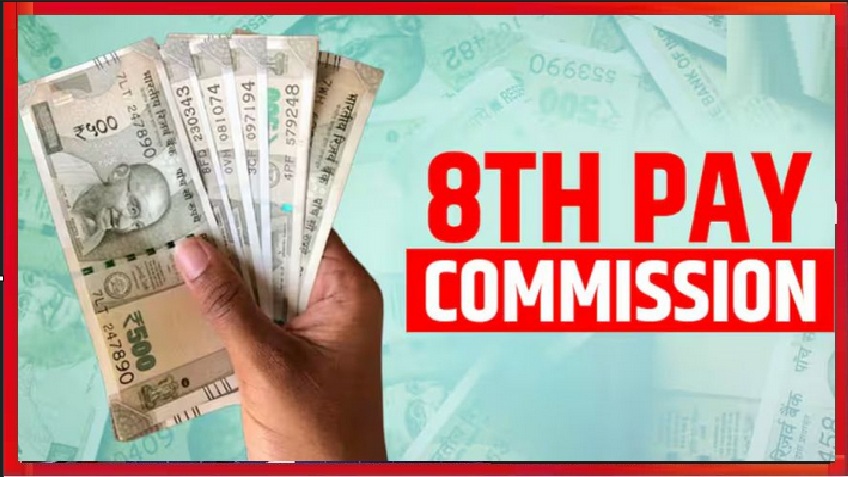
India’s administrative landscape may be poised for a significant shift as the proposed 8th Pay Commission could dramatically increase compensation for Indian Administrative Service (IAS) officers by 2026. This potential reform is drawing significant attention to the future of the country’s top bureaucrats.
For many in India, an IAS officer’s remuneration represents more than just income; it symbolizes the prestige and weighty responsibility that comes with managing a district or a key state department.
Current Pay Structure: A Transparent, Merit-Based System
Under the existing 7th Pay Commission framework, an IAS officer begins their career at Level 10 with a basic pay of ₹56,100. This transparent and rule-driven system is designed to reward integrity and performance, offering a clear path for growth. Through steady increments and promotions, an officer’s salary can potentially reach ₹2,50,000 for the Cabinet Secretary, the highest position in the Indian bureaucracy.
The career progression is structured across various grades:
Starting at the Junior Time Scale (Level 10) as a Sub-Divisional Magistrate.
Advancing after about four years to the Senior Time Scale (Level 11).
Rising over the next decade through grades that include roles like District Magistrate and Joint Secretary.
Reaching senior levels (HAG, HAG+) as Principal Secretaries, before attaining the top Apex and Cabinet Secretary scales.
The Engine of Pay Revision: The Fitment Factor
The central mechanism for revising pay scales is the “fitment factor,” a multiplier used to calculate new salaries from existing ones.
The 7th Pay Commission used a factor of 2.57.
For the 8th Pay Commission, experts project this factor to rise to approximately 2.86 to account for inflation and living costs.
This change directly impacts the salaries and pensions of all government employees.
Sample Calculation (8th Pay Commission Estimate):
Current Basic Pay: ₹25,000
New Basic Pay (₹25,000 × 2.86): ₹71,500
HRA (Metro City, 27%): + ₹19,305
Total Estimated Salary: ₹90,805
A New Era for Government Compensation
Expected to be formed around 2025, the 8th Pay Commission aims to align government compensation with India’s evolving economic reality. If the projected fitment factor is applied, the implications are substantial:
Entry-level IAS officers could see monthly salaries in the range of ₹1,20,000 to ₹1,60,000.
Senior officers at the apex level might earn over ₹3,00,000 per month.
While these figures are speculative until an official announcement, the direction points towards a strong effort to boost morale in the civil services and enhance their competitiveness with the private sector.
Implementation and Broader Impact
The new pay scales are projected to take effect from January 1, 2026, benefiting millions of central government employees and pensioners. If it follows the precedent of the last commission, which raised the minimum basic pay from ₹7,000 to ₹18,000, we could see the current minimum of ₹18,000 jump to around ₹51,480.
Beyond the numbers, the 8th Pay Commission represents a strategic investment in India’s governance framework. Competitive and fair compensation is crucial for attracting and retaining talented administrators, strengthening institutional efficiency, and ensuring the effective implementation of the nation’s development agenda. The commission’s success in balancing fiscal responsibility with the need to empower the bureaucracy will undoubtedly shape the next chapter of India’s administrative reform.