

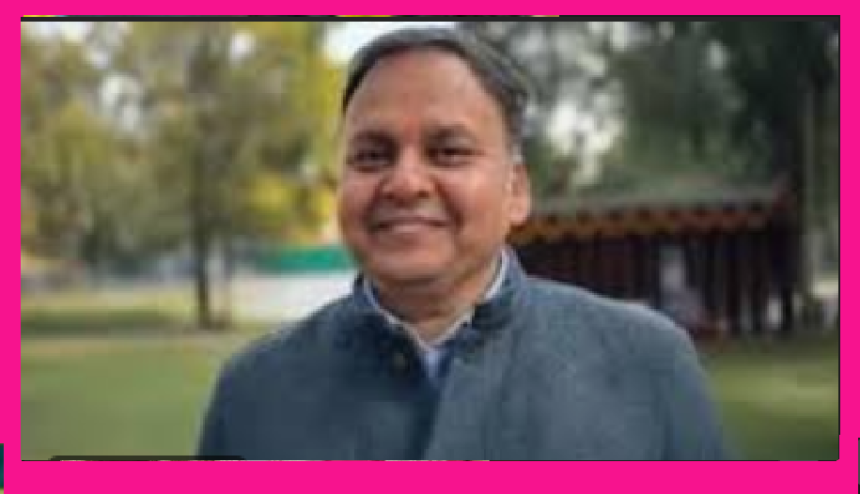
In a significant administrative development at the Centre, Mr. Parag Jain, a senior officer belonging to the Indian Police Service (IPS), has been entrusted with the additional charge of Secretary (Security) in the Cabinet Secretariat. This new assignment highlights the government’s continued emphasis on strengthening national security coordination and inter-agency intelligence management at the highest levels of administration.
Profile of the Officer
Mr. Parag Jain is a seasoned IPS officer known for his extensive experience in the domains of internal security, intelligence coordination, law enforcement, and policy implementation. Over the years, he has held a range of critical positions at both the Central and State levels, contributing to the formulation and execution of national security strategies and operational frameworks.
His professional record reflects deep involvement in matters of homeland security, crisis management, counterterrorism coordination, and protective security operations, making him well-suited for his new role within the Cabinet Secretariat.
Role and Significance of Secretary (Security)
The Secretary (Security) in the Cabinet Secretariat holds one of the most sensitive and crucial posts in the Government of India. The position is primarily responsible for coordinating all aspects of internal and VIP security, intelligence assessment, and inter-agency collaboration to ensure seamless communication between various national security stakeholders.
Key responsibilities typically include:
Overseeing security arrangements for the Prime Minister, Council of Ministers, and other high-profile dignitaries.
Coordinating with Intelligence Bureau (IB), Research and Analysis Wing (RAW), National Security Council Secretariat (NSCS), and Ministry of Home Affairs (MHA) for intelligence sharing and security management.
Supervising the implementation of confidential protocols, crisis response frameworks, and security clearances for critical national events. Monitoring and improving the security audit systems for government establishments and sensitive installations.
The Secretary (Security) also plays a pivotal role in maintaining synergy between the Cabinet Secretariat and other national security apparatuses to ensure a unified and coordinated response to any internal or external threat scenario.
The Cabinet Secretariat: A Strategic Hub
The Cabinet Secretariat functions directly under the Prime Minister of India, acting as the administrative nerve centre of the Union Government. It facilitates decision-making at the highest political and bureaucratic levels, ensuring that the execution of government policies remains synchronized across ministries and departments.
Within this structure, the Security Wing under the Secretary (Security)** serves as a bridge between multiple intelligence and enforcement agencies**, helping streamline information flow and policy responses.
This appointment, therefore, places Mr. Jain at the core of the country’s strategic security coordination framework, reflecting the Centre’s trust in his administrative acumen and operational expertise.
Context and Implications of the Appointment
The decision to assign additional charge to an experienced IPS officer like Mr. Parag Jain underscores the government’s preference for continuity, expertise, and proven leadership in sensitive departments that deal with national security and intelligence coordination.
Such additional assignments are often made to ensure uninterrupted functioning of vital positions during transitional phases, administrative reshuffles, or when the government requires trusted senior officers to oversee multiple interconnected responsibilities.
With this additional charge, Mr. Jain will continue to manage his existing responsibilities while also supervising the security functions of the Cabinet Secretariat, thereby enhancing overall administrative coherence within the national security structure.
The appointment of Mr. Parag Jain, IPS, to the additional charge of Secretary (Security) in the Cabinet Secretariat signifies the government’s confidence in his capability to uphold the highest standards of professionalism and confidentiality.
His vast experience in security administration and intelligence coordination is expected to strengthen inter-agency collaboration, improve policy execution efficiency, and ensure robust security management at the national level.
This strategic move once again demonstrates the Centre’s commitment to maintaining a seamless, well-coordinated, and vigilant security apparatus to safeguard India’s internal stability and protect its leadership from emerging threats.