

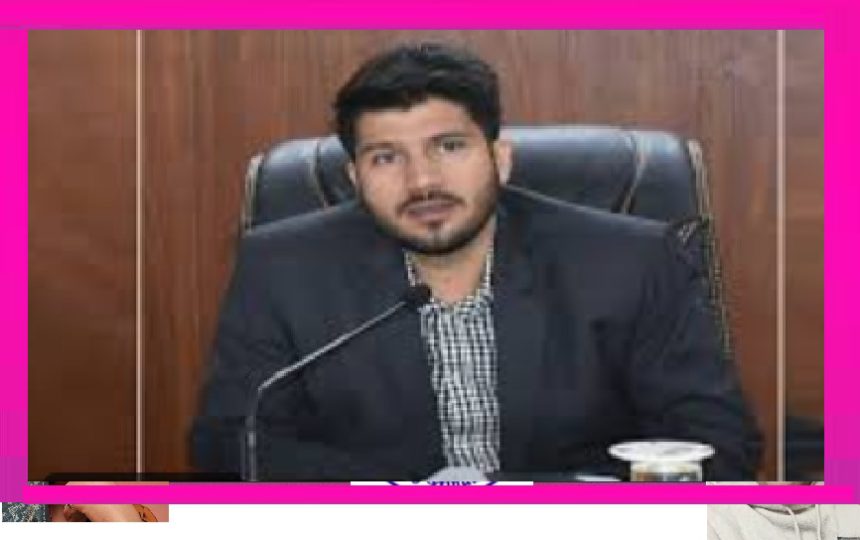
Who Is IAS Deepak Soni? Chhattisgarh Cadre Officer Appointed Director in Union Health Ministry After Transforming Dantewada Through ₹30 Crore Women Empowerment Mission
Chhattisgarh cadre Indian Administrative Service officer Deepak Soni (IAS: 2011) has been selected for a prestigious central deputation as Director in the Ministry of Health and Family Welfare, Government of India, following years of impactful field administration in some of the country’s most challenging regions.
Widely respected for his transformative work in Left-Wing Extremism–affected districts—especially Dantewada—Soni’s initiatives have reshaped livelihoods, strengthened governance and empowered marginalized tribal communities, earning him national recognition and paving the way for his elevation to the central government.
Central Government Calls Him to Delhi
Currently serving as the District Collector of Baloda Bazar, Soni has received formal orders for his appointment as Director in the Union Health Ministry for a five-year tenure. The Chief Secretary of Chhattisgarh has been instructed to relieve him from his present assignment, after which he will assume charge in New Delhi.
The move reflects the Union Government’s confidence in Soni’s administrative acumen, policy sensitivity and deep grassroots experience.
Administrative Journey Across Chhattisgarh
A native of Durg district, Deepak Soni has served in multiple key districts including Raipur, Surajpur, Dantewada, Kondagaon and Baloda Bazar, consistently earning a reputation for integrity, field engagement and result-oriented governance.
His tenure in each district has been marked by innovative development strategies, public participation and disciplined administrative execution.
The Dantewada Breakthrough: Dannex Garment Factory
Soni’s most celebrated contribution emerged from his posting in Naxal-affected Dantewada, where he conceptualized and implemented the Dannex Garment Factory, a landmark women empowerment and livelihood initiative with an investment value of approximately ₹30 crore.
The factory provides sustainable employment to nearly 750 tribal women, including members of families previously associated with extremist groups. The initiative significantly altered the socio-economic landscape of the region.
The enterprise operates under the brand “DANNEX” (Dantewada Next), which has achieved national visibility and secured partnerships with major companies, converting Dantewada into an emerging garment manufacturing hub.
Grassroots Governance in High-Risk Zones
Beyond institutional projects, Soni became known for his deep grassroots engagement. He personally visited remote tribal villages—often traveling on motorcycle—interacting directly with residents, resolving local grievances, strengthening access to healthcare, education and essential services, and ensuring administrative continuity despite security challenges.
His Dantewada model is now widely cited as a replicable development framework for conflict-affected districts across India.
Development Achievements Beyond Dantewada
In Kondagaon, Soni led governance reforms that improved public service delivery, citizen participation and administrative transparency.
As Collector of Baloda Bazar, he has been recognized for combining firm enforcement with humane administration. His innovative initiatives in water conservation and sustainable resource management earned him national-level recognition.
A Strategic Role in National Health Governance
Soni’s appointment to the Ministry of Health and Family Welfare is expected to significantly strengthen the bridge between policy formulation and field-level execution. His deep understanding of marginalized communities, public health infrastructure challenges and grassroots delivery mechanisms will contribute meaningfully to the design and implementation of national health programmes.
Measurable Impact of His Work
Key outcomes of Soni’s governance include:
Sustainable employment for 750 tribal women
Economic activity generated through a ₹30 crore development enterprise
Establishment of a replicable development model for insurgency-affected districts
Strengthened access to education, healthcare and infrastructure in remote tribal regions
National recognition for innovation and sustainable governance practices