

Collectors Dominate UP IGRS Rankings: IAS Ajay Dwivedi’s Rampur Tops State, Pilibhit Secures Second Spot
Rampur under IAS officer Ajay Dwivedi secured the top position in Uttar Pradesh’s IGRS rankings for April 2026. Pilibhit ranked second, while Shravasti and Amethi jointly claimed third place.
Collectors Dominate UP IGRS Rankings: IAS Ajay Dwivedi’s Rampur Tops State, Pilibhit Second; Shravasti and Amethi Share Third Spot
Lucknow: District Magistrates have emerged as the driving force behind the top-performing districts in Uttar Pradesh’s Integrated Grievance Redressal System (IGRS) rankings for April 2026, reflecting the Yogi Adityanath government’s continued emphasis on responsive governance, administrative accountability, and efficient public service delivery.
According to the latest IGRS performance report released by the Uttar Pradesh government, Rampur secured the number one position in the state with an impressive score of 138 points. Pilibhit followed closely in second place, while Shravasti and Amethi jointly secured the third rank after achieving identical scores.
The latest rankings have once again highlighted the growing importance of district-level governance and the role played by IAS officers in monitoring public grievances, welfare schemes, and revenue administration.
Rampur Emerges as Best-Performing District in Uttar Pradesh
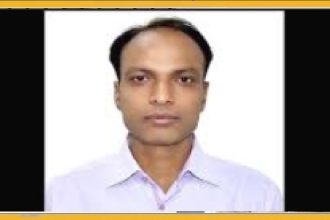
Rampur achieved the top rank under the leadership of IAS officer Ajay Dwivedi, a 2015-batch officer of the Uttar Pradesh cadre.
The district’s first-place finish is being viewed as a major administrative achievement, especially considering the comprehensive evaluation standards followed under the IGRS mechanism.
Officials said Rampur performed strongly across multiple governance indicators, including:
Timely disposal of public complaints
Effective Jan Sunwai (public hearing) management
Monitoring of welfare schemes
Revenue-related grievance resolution
Administrative accountability and field supervision
The district scored 138 points, placing it ahead of all other districts in Uttar Pradesh.
Administrative circles have credited consistent monitoring by District Magistrate Ajay Dwivedi and coordinated functioning across departments for Rampur’s strong performance.
Pilibhit Secures Second Position
Pilibhit secured the second rank in the statewide IGRS performance rankings under the leadership of IAS officer Gyanendra Singh, a 2014-batch officer.
The district has consistently remained among the better-performing administrative units in grievance redressal and governance-related assessments.
Officials noted that Pilibhit’s performance reflected strong district-level coordination and proactive disposal of complaints received through the state’s digital grievance platform.
The ranking is also seen as recognition of the district administration’s efforts to maintain efficiency in handling citizen issues and ensuring quicker resolution of administrative matters.
Shravasti and Amethi Jointly Claim Third Spot
Shravasti and Amethi both secured the third position after receiving equal scores in the April 2026 rankings.
Shravasti’s performance came under the leadership of IAS officer Annapurna Garg, a 2016-batch officer, while Amethi was led by IAS officer Sanjay Chauhan, a 2014-batch Uttar Pradesh cadre officer.
Both districts reportedly showed strong performance in:
Public grievance disposal
Monitoring of development schemes
Revenue administration
Citizen response systems
Digital governance mechanisms
Officials said the joint third-place finish demonstrates growing competition among districts to improve governance standards and public service delivery.
What Is the Integrated Grievance Redressal System (IGRS)?
The Integrated Grievance Redressal System (IGRS) is one of the Uttar Pradesh government’s flagship governance monitoring platforms. It has become a central tool for evaluating district-level administrative performance.
The platform tracks and monitors several governance indicators, including:
Public complaints and grievance disposal
Jan Sunwai hearings
Land and revenue disputes
Welfare scheme implementation
Departmental accountability
Citizen satisfaction and response time
The IGRS system enables the state government to assess how effectively district administrations are responding to public concerns and implementing government directives.
Under Chief Minister Yogi Adityanath, the system has been expanded significantly as part of the government’s push for transparent, technology-driven, and citizen-focused governance.
Governance Benchmark Under Yogi Government
Over the last nine years, the Uttar Pradesh government has increasingly focused on district-level monitoring, digital administration, and performance-based evaluation of officers.
Officials say the IGRS rankings now serve as an important governance benchmark and encourage districts to maintain higher standards in administrative functioning.
The government has particularly emphasized:
Faster grievance resolution
Improved public service delivery
Better monitoring of welfare schemes
Stronger accountability mechanisms
Greater responsiveness at the district level
The latest rankings indicate that district collectors remain central to implementing the state government’s governance agenda on the ground.
Top Performing Districts in UP IGRS Rankings – April 2026
Rampur ranked first under DM Ajay Dwivedi (IAS 2015)
Pilibhit secured second place under DM Gyanendra Singh (IAS 2014)
Shravasti jointly ranked third under DM Annapurna Garg (IAS 2016)
Amethi jointly ranked third under DM Sanjay Chauhan (IAS 2014)
The April 2026 IGRS rankings are expected to further intensify competition among district administrations as the Uttar Pradesh government continues to push for faster grievance resolution and more efficient governance across the state.