

IAS Officers B Ashok and Prasanth Nair Set for Comeback as UDF Prepares to Form Kerala Government; Sidelined Bureaucrats Expected to Get Key Roles After Years of Disciplinary Action
IAS Officers B Ashok and Prasanth Nair Set for Comeback as UDF Prepares to Form Kerala Government; Sidelined Bureaucrats Expected to Get Key Roles After Years of Disciplinary Action
As the United Democratic Front (UDF) stands poised to assume power in Kerala following its decisive victory over the incumbent Left Democratic Front (LDF) government led by Pinarayi Vijayan, the corridors of the state’s administrative establishment are abuzz with speculation about the sweeping changes that are likely to follow in the bureaucracy. Among the most prominently discussed names in administrative and political circles are two senior Indian Administrative Service officers — B Ashok and Prasanth Nair — both of whom endured prolonged disciplinary action and deliberate marginalisation during the previous regime, and both of whom are now widely expected to be reinstated and entrusted with positions of significant influence and responsibility under the incoming UDF administration.
Two Officers Who Came to Symbolise Bureaucratic Dissent
Over the course of the Pinarayi Vijayan-led LDF government’s tenure, both B Ashok and Prasanth Nair acquired a reputation that extended well beyond the boundaries of routine administrative service. Through their willingness to voice frank opinions on governance matters, challenge policy decisions they considered flawed, and engage openly with the public on issues of administrative accountability, the two officers gradually came to be regarded — both within the civil services and in broader public discourse — as symbols of bureaucratic independence and principled dissent in the face of political pressure. Their treatment at the hands of the previous administration became a frequently cited example of what critics described as the systematic suppression of professional autonomy within Kerala’s bureaucracy.
B Ashok: A Veteran Officer Currently Under Suspension
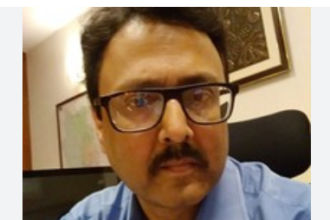
B Ashok is a 1998-batch IAS officer of the Kerala cadre with nearly three decades of administrative experience across a wide range of consequential postings within the state. A senior and widely respected figure within the civil services, he has served in several important capacities during his career, including as Vice-Chancellor of Kerala Agricultural University — a posting that placed him at the intersection of academic governance and state policy. Throughout his career, Ashok developed a reputation for administrative candour and was known to engage directly and openly with senior political leadership on matters of policy and governance, frequently staking out positions that brought him into friction with the previous administration.
This pattern of professional independence ultimately resulted in disciplinary action being taken against him, and he is currently serving under suspension — a status that has generated considerable discussion about the manner in which the LDF government handled officers who were perceived as insufficiently compliant. The anticipated change of government in Kerala has now revived widespread speculation that Ashok will be among the first officers to be reinstated, with many observers expecting him to be entrusted with a senior and strategically significant role in the new administrative dispensation.
Prasanth Nair: The Nationally Celebrated “Collector Bro”
If B Ashok represents the archetype of the seasoned senior administrator who paid a professional price for his candour, Prasanth Nair embodies a rather different — and arguably more publicly visible — model of bureaucratic independence. A 2007-batch IAS officer of the Kerala cadre, Nair became a nationally recognised figure during his tenure as District Collector of Kozhikode, where his innovative, citizen-centric approach to governance, his extensive and creative use of social media platforms to communicate with the public and address grievances in real time, and his unconventional administrative style earned him an enormous following and the affectionate sobriquet “Collector Bro” — a title that reflects both the warmth and the accessibility that defined his public persona.
His popularity, however, did not insulate him from the consequences of his willingness to speak his mind. Prasanth Nair’s outspoken public commentary on government policies and administrative decisions drew the ire of the state government and led to formal disciplinary proceedings being initiated against him. He was suspended in late 2024, and reports indicate that he faced fresh disciplinary action in early 2026 arising from his continued social media activity and public commentary on matters of governance. His suspension was widely condemned by civil society groups, administrative observers, and a substantial section of the general public who had admired his approach to governance and viewed the action against him as disproportionate and politically motivated.
UDF Views Their Record as Evidence of Integrity, Not Liability
What makes the expected rehabilitation of both officers particularly noteworthy is the lens through which the Congress-led UDF is reported to view their troubled recent history. According to well-placed political insiders, senior UDF leaders do not regard the disciplinary records of Ashok and Nair as professional liabilities or administrative blemishes. On the contrary, the party’s leadership is said to view the manner in which both officers were treated by the LDF government as powerful evidence of their professional independence, administrative integrity, and personal courage — qualities that the incoming administration considers essential in the officers it intends to place in positions of trust and influence.
The history of principled resistance displayed by both officers is reported to have generated considerable sympathy and admiration within the UDF’s senior leadership. Party insiders indicate that both Ashok and Nair are seen as experienced administrators whose deep understanding of state government functioning, institutional dynamics, and departmental operations could prove invaluable as the new administration undertakes a comprehensive review of the policies and administrative structures inherited from its predecessor.
Expected Role in Overhauling the State’s Administrative Machinery
Sources with knowledge of the UDF’s transition planning suggest that both officers are likely to be entrusted with strategic and advisory responsibilities as the new government sets about systematically restructuring the administrative machinery that was consolidated during the LDF’s long tenure in office. Their familiarity with the inner workings of various government departments, their understanding of where institutional accountability has been compromised, and their ability to identify officers of merit and integrity are expected to make them valuable assets in the new government’s efforts to reset the culture and priorities of Kerala’s bureaucracy.
Beyond their likely advisory roles in the transition, it is widely anticipated that both officers will eventually be assigned substantive, front-line administrative postings commensurate with their seniority, experience, and professional capabilities.
A Broader Signal About Administrative Culture Under the New Government
The speculation surrounding the return of B Ashok and Prasanth Nair is being interpreted by many observers as carrying significance that extends far beyond the individual career trajectories of two officers. Analysts following Kerala’s administrative landscape closely suggest that the manner in which the incoming UDF government handles the rehabilitation of these two officers will function as an early and highly visible signal of the new administration’s fundamental disposition toward bureaucratic autonomy, freedom of professional expression, and the principle that civil servants should be empowered — rather than penalised — for offering honest and independent counsel to their political masters.
For a large number of serving civil servants within Kerala and beyond, the return of Ashok and Nair to positions of influence and responsibility would represent far more than individual vindication. It would be widely read as a meaningful and symbolic reaffirmation of the core values that are supposed to define the Indian Administrative Service — neutrality, merit, professional integrity, and the freedom to serve the public interest without fear of political retribution. Many within the civil services are watching closely, and the new government’s early decisions on this front are likely to set the tone for its relationship with the permanent bureaucracy for the entirety of its term in office.Sonnet 4.6Claude is AI and can make mistakes. Please do