
Kerala IAS Officer Dr. Raju Narayana Swamy Calls on Youth to Blend Spirituality, AI and Nationalism for Nation Building
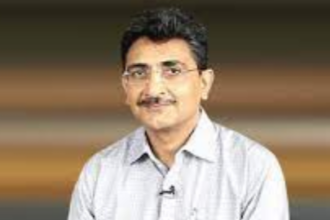
Senior Kerala cadre IAS officer Raju Narayana Swamy, widely regarded as one of India’s most uncompromising anti-corruption administrators, has urged young Indians to emerge as a “spiritually grounded, technologically empowered and nationally conscious generation” capable of transforming the country through innovation, ethics and public service.
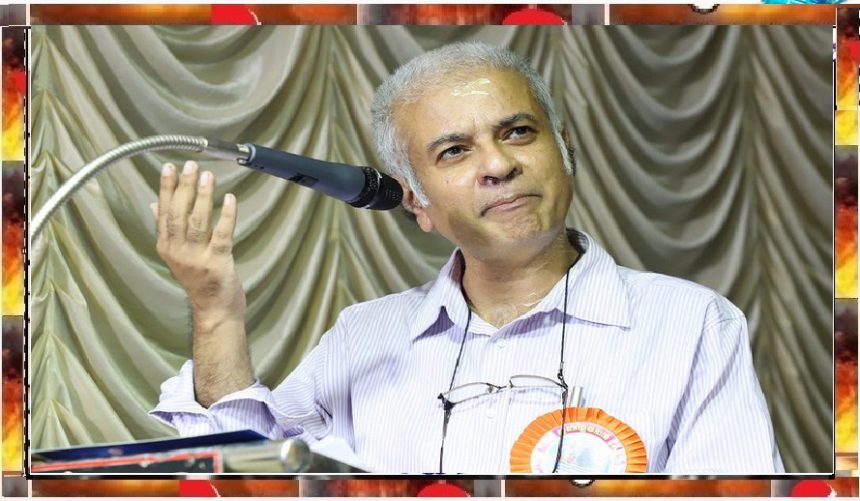
Dr. Swamy delivered the message while addressing a career guidance programme titled “Empowering Young Minds for a Brighter Future” organised at Bharatiya Vidya Bhavan in Wayanad, Kerala. His speech focused on the role of youth in shaping a developed, self-reliant and socially responsible India by integrating moral values with emerging technologies such as artificial intelligence.
In his keynote address, Dr. Swamy emphasised that India’s future would be determined not merely by economic growth or technological advancement, but by the character, discipline and national commitment of its younger generation. He said students must prepare themselves to become agents of social transformation who can address challenges ranging from inequality and environmental degradation to governance inefficiencies and technological disruption.
According to him, today’s youth should strive for balanced physical, intellectual and spiritual development while also embracing innovation and technological learning. He stressed that artificial intelligence and digital technologies should not be viewed merely as commercial tools, but as instruments capable of strengthening governance, improving public service delivery and advancing social justice.
Dr. Swamy outlined a broader national vision in which students actively contribute to building a stronger and self-reliant Bharat by combining technological excellence with patriotism and ethical responsibility. He encouraged young people to think beyond individual career ambitions and instead focus on developing solutions that uplift communities and strengthen the country’s social and economic foundations.
As part of his address, Dr. Swamy introduced what he described as “Pancha Dharma” — five foundational values that he believes should guide the next generation of Indians. These include Seva (Service), Satya (Truth), Shakti (Strength), Swaraj (Self-Governance) and Samriddhi (Prosperity). He explained that these principles collectively provide both a moral compass and a practical framework for building responsible citizens, ethical leaders and socially conscious professionals.
Highlighting the growing significance of artificial intelligence, Dr. Swamy spoke extensively about how AI can be harnessed for public welfare and grassroots development. He cited several practical applications of emerging technologies, including vernacular AI chatbots to improve public accessibility, AI-powered health pre-screening systems, GIS-based hotspot mapping for planning and governance, smart kiosk inventory management systems and real-time impact dashboards for monitoring development programmes.
He observed that such innovations could significantly improve administrative transparency, governance efficiency and service delivery, particularly in rural and underserved regions. According to him, India possesses a unique opportunity to become a global leader by combining its civilisational values with cutting-edge technologies.
The programme was attended by several prominent personalities, including K. G. Gopala Pillai and Surendran, Secretary of Bathery Temple Trust. The event focused on encouraging students to align their professional aspirations with larger national and social responsibilities.
Dr. Swamy, a 1991 batch Kerala cadre IAS officer, secured All India Rank 1 in the 1990 Civil Services Examination. An alumnus of Indian Institute of Technology Madras with a degree in Computer Science, he graduated with a CGPA of 9.41. Over the course of his career, he has earned widespread recognition for his integrity, anti-corruption initiatives and independent administrative approach.
Known for his fearless style of governance, Dr. Swamy has reportedly undergone more than 30 transfers during his public service career. He has served as District Collector in five districts and held several senior administrative positions, including Director of Fisheries and Principal Secretary in the Kerala government.
Apart from his administrative accomplishments, Dr. Swamy is also a noted author with more than 30 published books and has received honours from the Kerala Sahitya Akademi for his literary contributions. He was also awarded the prestigious Satyendra K. Dubey Memorial Award in recognition of his integrity and commitment to transparent governance.