


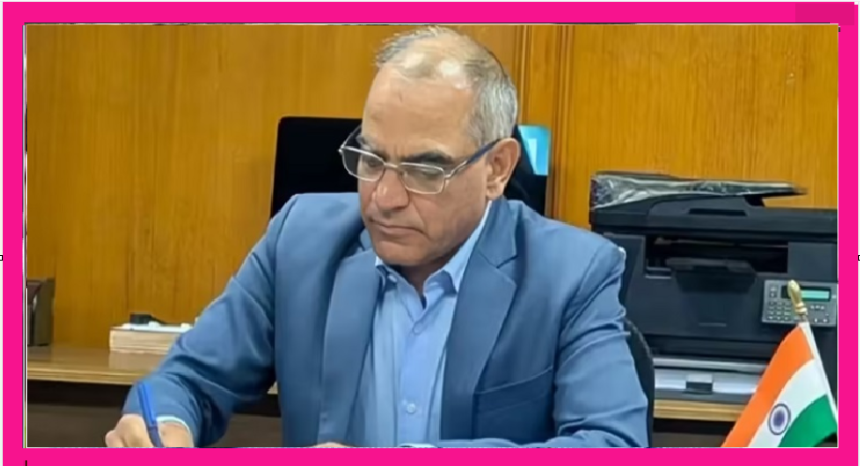
Himachal Chief Secretary Kamlesh Kumar Pant Calls for Technology-Driven Disaster Management, GIS Mapping and Community Volunteers
Stressing the need to make Himachal Pradesh better prepared for natural disasters, Chief Secretary Kamlesh Kumar Pant, a 1993-batch IAS officer, has called for a stronger, technology-driven and community-focused disaster management system. He said the state’s unique Himalayan geography and increasing climate-related challenges demand faster response mechanisms, better coordination among agencies, greater use of technology and active participation from local communities.
Speaking at a post-disaster review seminar jointly organised by the National Disaster Management Authority (NDMA) and the Himachal Pradesh State Disaster Management Authority (HPSDMA), Pant said the devastating disasters witnessed by the state in recent years have highlighted the urgent need to improve preparedness, strengthen institutional capacity and build a disaster management framework that is capable of responding quickly and effectively during emergencies.
He emphasized that while Himachal Pradesh has shown resilience in dealing with natural calamities, the lessons learned from recent disasters must now be converted into long-term reforms that can protect lives, reduce losses and improve disaster response across the state.
Climate Change Making Natural Disasters More Frequent
Addressing the gathering, Kamlesh Kumar Pant pointed out that Himachal Pradesh continues to remain highly vulnerable to natural disasters because of its fragile Himalayan ecosystem and difficult terrain.
He said cloudbursts, flash floods, landslides and other climate-induced disasters have become increasingly frequent, posing serious challenges for both the administration and local communities.
According to the Chief Secretary, the disasters experienced over the past few years have revealed not only the strengths of the existing disaster response system but also several areas where immediate improvements are required.
He noted that changing weather patterns and extreme climatic events have made it essential for disaster management agencies to continuously upgrade their preparedness and response capabilities.
Coordinated Response Helped Save Lives
Pant praised the coordinated efforts of various government departments and emergency response agencies during recent disasters.
He acknowledged the important contributions made by the Armed Forces, the National Disaster Response Force (NDRF), the State Disaster Response Force (SDRF), Himachal Pradesh Police, Fire Services, district administrations, Panchayati Raj Institutions, volunteers and local residents.
According to him, the combined efforts of these agencies played a significant role in minimizing the loss of human lives during recent calamities.
He said the spirit of teamwork shown during rescue and relief operations demonstrates how coordinated action can significantly improve disaster response.
Technology Must Become the Backbone of Disaster Management
Highlighting the future direction of disaster preparedness, the Chief Secretary said technology should play a much bigger role in every stage of disaster management.
He explained that advanced technological tools can help authorities improve planning, strengthen preparedness and ensure faster emergency response whenever disasters strike.
Pant observed that recent emergencies exposed several operational difficulties that often delayed rescue operations.
Among the major challenges identified were damaged roads, disrupted communication networks, inaccessible mountainous terrain, adverse weather conditions, logistical bottlenecks, delays in receiving real-time information and the need for better coordination between multiple responding agencies.
He said overcoming these challenges requires modern technological solutions capable of providing accurate information and facilitating quicker decision-making.
Seminar to Help Improve Future Response
The Chief Secretary said the post-disaster review seminar provides an important platform for experts and officials to evaluate the state’s disaster response mechanisms.
According to him, discussions during the seminar will help identify operational gaps, document successful practices and prepare recommendations that can strengthen future disaster management strategies.
He expressed confidence that the knowledge shared during the event would contribute to building a faster, more efficient and technology-driven disaster response system across Himachal Pradesh.
Local Communities Are the First Responders
Pant also underlined the crucial role played by local communities during natural disasters.
He said that in most emergencies, residents living in affected villages and towns are the first people to reach disaster-hit locations and provide immediate assistance before professional rescue teams arrive.
For this reason, he stressed that disaster management should not remain limited to government agencies alone.
Instead, citizens should be equipped with the knowledge, skills and confidence needed to respond effectively during emergencies.
He called for extensive awareness campaigns, regular training programmes and capacity-building initiatives so that communities become more resilient and better prepared to face disasters.
Apda Rakshak Yojana to Strengthen Grassroots Response
One of the important initiatives highlighted by the Chief Secretary was the Apda Rakshak Yojana.
Pant said the scheme aims to create a large network of trained community volunteers who can provide immediate support during disasters until specialized rescue teams reach affected areas.
According to him, these volunteers can play an extremely important role in search and rescue operations, administering first aid, evacuating people from danger zones and assisting vulnerable groups such as children, elderly citizens and persons with disabilities.
He said strengthening such community-based volunteer networks would significantly improve emergency response, especially in remote areas where access remains difficult.
GIS-Based Resource Mapping Suggested
The Chief Secretary also stressed the need for comprehensive district-wise resource mapping across Himachal Pradesh.
He said every district should prepare a detailed inventory covering available manpower, heavy machinery, hospitals, medical facilities, temporary shelters, rescue equipment, transport resources and communication infrastructure.
Pant recommended integrating this information with Geographic Information System (GIS) technology so that authorities can quickly identify available resources and deploy them efficiently during emergencies.
According to him, GIS-based planning would help administrators make scientific decisions and ensure optimum utilization of available resources when disasters occur.
NDMA Appreciates Himachal Pradesh’s Efforts
Kamlesh Kumar Pant also appreciated the continuous support and technical guidance being provided by the National Disaster Management Authority to strengthen disaster preparedness in the state.
He expressed confidence that the recommendations emerging from the seminar would further improve institutional preparedness, strengthen inter-departmental coordination and contribute to building a safer and more disaster-resilient Himachal Pradesh.
NDMA Praises State’s Disaster Response
During the seminar, Krishna S. Vatsa, Member and Head of Department at the National Disaster Management Authority, appreciated the preparedness and response demonstrated by the Himachal Pradesh Government during the major disasters of 2023 and 2025.
He particularly praised the proactive role played by the State Disaster Response Force (SDRF) during rescue and relief operations.
Vatsa emphasized that while the state’s response has been commendable, continued efforts are necessary to further strengthen early warning systems, disaster mitigation measures and rapid response capabilities.
He said improving preparedness before disasters strike remains one of the most effective ways to reduce damage and save lives.
Senior Officials Participate in Review Seminar
The seminar witnessed participation from senior officials representing various disaster management and government agencies.
Among those present were Deepak Rathore, Chairman of the State Disaster Management Authority, Rita Mishra, Member of the National Disaster Management Authority, and Pushpendra Rana, Director-cum-Special Secretary (Revenue and Disaster Management).
Senior officers from paramilitary forces, district administrations, multiple government departments and disaster management agencies also attended the program.
Participants exchanged experiences from recent disaster operations, shared best practices and discussed measures aimed at strengthening disaster risk reduction, improving preparedness and enhancing emergency response systems across Himachal Pradesh.
The seminar concluded with a strong emphasis on combining advanced technology, scientific planning, community participation and coordinated governance to create a more resilient disaster management framework capable of addressing the growing challenges posed by climate change and natural disasters in the Himalayan state.