Chhattisgarh Launches Massive Green Drive at Ramsar Site Kopra Reservoir to Strengthen Wetland Ecosystem and Biodiversity
Reinforcing its commitment to environmental conservation and sustainable wetland management, the Chhattisgarh Government has launched an extensive plantation campaign around the internationally recognised Kopra Reservoir Ramsar Site. The initiative, led by the Chhattisgarh State Wetland Authority in collaboration with the Bilaspur Forest Division, seeks to enhance biodiversity, improve wildlife habitats and strengthen the ecological resilience of one of the state’s most significant wetlands.
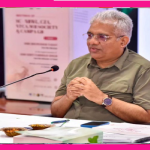
The large-scale Green Drive, organised on July 9, has been launched under the guidance of Forest and Climate Change Minister Kedar Kashyap. The campaign focuses on expanding green cover around the reservoir through the plantation of carefully selected fruit-bearing tree species that will benefit migratory birds, resident wildlife and the overall wetland ecosystem.
Officials described the initiative as an important step towards protecting wetlands while addressing broader environmental challenges such as biodiversity loss, habitat degradation and climate change. By combining scientific planning with active public participation, the government aims to create a long-lasting conservation model that balances ecological restoration with community involvement.
Major Push to Protect an Internationally Recognised Wetland
Kopra Reservoir enjoys international recognition under the Ramsar Convention, making it one of Chhattisgarh’s most ecologically valuable wetlands. Ramsar Sites are identified because of their exceptional importance in conserving biodiversity, supporting water resources and providing habitat for numerous plant and animal species.
Recognising this ecological significance, the state has initiated the plantation programme to improve the health of the wetland ecosystem and create a richer natural environment around the reservoir.
Forest officials explained that increasing vegetation around the waterbody will help stabilise the ecosystem by improving habitat quality, supporting wildlife movement and creating additional nesting and feeding grounds for birds.
The initiative also aligns with Chhattisgarh’s broader environmental vision of conserving sensitive ecosystems through habitat restoration and sustainable natural resource management.
Fruit-Bearing Trees Selected to Support Wildlife
Unlike conventional plantation drives that often include a variety of tree species, this campaign has been designed with a specific ecological objective.
The Forest Department has chosen fruit-bearing trees that can naturally sustain wildlife throughout the year.
According to officials, these species will provide a reliable source of food for birds and other animals while simultaneously improving the biological diversity of the wetland landscape.
The plantation programme is expected to deliver several long-term ecological benefits, including:
Better habitat for migratory and resident birds
Improved biodiversity across the wetland ecosystem
Stronger natural food chains
Enhanced ecological stability
Greater climate resilience through increased green cover
Improved environmental quality around the reservoir
Officials noted that scientific plantation planning plays an important role in restoring fragile ecosystems, particularly around wetlands that support a wide range of aquatic and terrestrial species.
Creating Better Habitat for Migratory Birds
Kopra Reservoir serves as an important refuge for numerous resident and migratory bird species.
Many birds depend on wetlands for feeding, nesting and breeding, making healthy vegetation around water bodies an essential component of their survival.
Forest experts explained that fruit-bearing trees attract insects, birds and small mammals, creating a more balanced and productive ecosystem.
As the trees mature, they are expected to provide shade, nesting sites and continuous food availability, making the reservoir even more attractive to visiting migratory birds while also supporting local wildlife populations.
The improved habitat is expected to contribute significantly to the long-term conservation of avian biodiversity in the region.
Community Participation Drives the Campaign
One of the defining features of the Green Drive has been the enthusiastic participation of local communities.
Rather than limiting the programme to government agencies, the Forest Department encouraged people living around the reservoir to become active partners in the conservation effort.
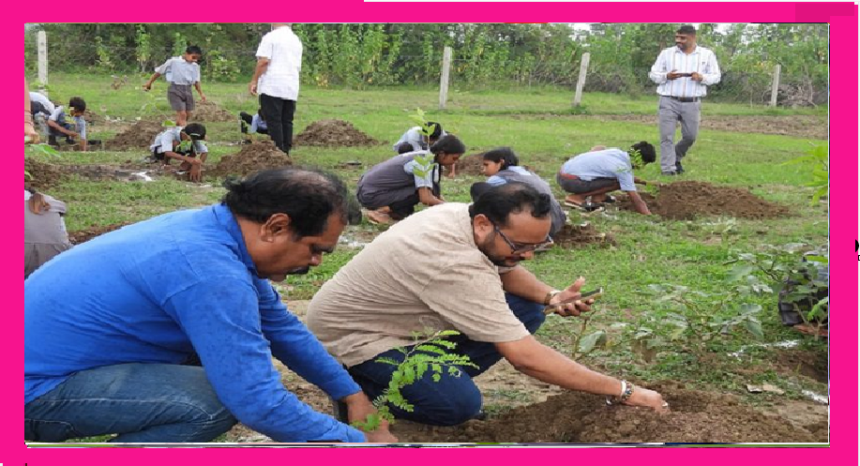
The plantation campaign witnessed participation from:
Sarpanchs of Belmundi and Saida villages
Residents from nearby communities
Students of Government Middle School, Kopra
Officers of the Bilaspur Forest Division
Representatives of the Chhattisgarh State Wetland Authority
Working together, participants planted hundreds of saplings around the reservoir and expressed their commitment to protecting the wetland for future generations.
Officials said involving local communities creates a stronger sense of ownership and significantly improves the long-term success of conservation programmes.
Citizens Take Pledge to Protect the Saplings
The event was not limited to plantation alone.
Participants also took a collective pledge to protect and nurture the newly planted trees until they become fully established.
Forest officials emphasised that planting saplings is only the beginning of ecological restoration. Their survival depends upon continuous care, regular monitoring and community responsibility over several years.
The department stressed that successful afforestation requires active participation from local residents, educational institutions and village bodies, especially during the initial years when young plants are most vulnerable.
Officials believe such community ownership is essential for transforming plantation campaigns into permanent ecological assets.
Green Drive to Cover More Villages Around the Reservoir
Encouraged by the positive public response, the Forest Department has decided to expand the programme beyond its initial phase.
Officials announced that similar plantation drives will now be organised in additional villages located around the Kopra Reservoir.
The objective is to gradually create a continuous green buffer surrounding the entire wetland.
Such a landscape-level approach is expected to improve ecological connectivity while reducing environmental pressures caused by soil erosion, habitat fragmentation and human disturbances.
A wider green belt would also improve water quality, strengthen biodiversity and provide additional shelter for birds and other wildlife.
Wetlands Play a Critical Environmental Role
Environmental experts consistently describe wetlands as among the most productive ecosystems on Earth.
They perform several ecological functions that directly benefit both nature and human communities.
Healthy wetlands help in:
Conserving biodiversity
Supporting aquatic ecosystems
Recharging groundwater
Improving water quality
Reducing flood impacts
Storing carbon
Regulating local climate
Supporting fisheries and livelihoods
Officials observed that protecting wetlands has become increasingly important in the face of climate change, urban expansion and ecological degradation.
Plantation around wetland ecosystems contributes not only to biodiversity conservation but also strengthens their ability to withstand changing climatic conditions.
Supporting Climate Resilience Through Ecological Restoration
The Green Drive has also been planned as part of broader climate action efforts.
Increasing tree cover around wetlands helps absorb atmospheric carbon dioxide while improving local microclimates.
The plantation programme is expected to contribute towards:
Climate change mitigation
Carbon sequestration
Restoration of degraded habitats
Sustainable environmental management
Improved ecological resilience
Long-term conservation of wetland ecosystems
Officials said such initiatives support both India’s national environmental priorities and international commitments under the Ramsar Convention for wetland conservation.
Government Focuses on Sustainable Environmental Management
The plantation campaign reflects the Chhattisgarh Government’s growing emphasis on integrating conservation with sustainable development.
Under the leadership of Forest and Climate Change Minister Kedar Kashyap, the Forest Department has been encouraging programmes that combine scientific planning, public participation and ecological restoration.
Officials believe that involving educational institutions, village communities and local self-government bodies will create a stronger conservation culture across the state.
The department has appealed to citizens to actively participate in future plantation campaigns and contribute towards protecting forests, wetlands and biodiversity.
Kopra Reservoir’s Growing Ecological Importance
Kopra Reservoir has emerged as one of Chhattisgarh’s most important wetland ecosystems due to its rich biodiversity and ecological significance.
Its recognition as a Ramsar Site reflects its value not only for the state but also for global wetland conservation efforts.
The reservoir supports diverse aquatic life, vegetation and numerous migratory and resident bird species that depend on its healthy ecosystem throughout the year.
With the launch of the Green Drive, the state hopes to further strengthen this fragile ecological landscape while creating a sustainable conservation model based on scientific planning, habitat restoration and active community participation.
Officials are optimistic that the initiative will significantly improve biodiversity, enrich wildlife habitats and reinforce Kopra Reservoir’s position as one of India’s important wetland conservation success stories in the years to come.