

Meerut Protest Row: NHRC Seeks Report from UP DGP, Home Secretary Over Alleged Police Excess; SSP Avinash Pandey’s Viral Slapping Video Under Lens
The National Human Rights Commission (NHRC) has stepped into the controversy surrounding the police action during a protest in Meerut, issuing notices to the Uttar Pradesh Director General of Police (DGP) and the State Home Secretary over allegations of excessive use of force against demonstrators demanding justice in the alleged murder of 20-year-old Dalit student Lalita Gautam.
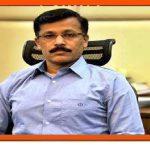
The Commission has sought a detailed Action Taken Report (ATR) from the Uttar Pradesh government within 15 days, signalling that it will closely examine allegations of police excess, including claims of an unprovoked lathi-charge and the now widely circulated video that allegedly shows Meerut Senior Superintendent of Police (SSP) Avinash Pandey, a 2015-batch IPS officer, slapping a detained protester inside a police vehicle.
The case has quickly evolved from a local law-and-order issue into a matter of national attention, raising questions about policing during public demonstrations, the use of force against protesters and accountability of law enforcement officers.
NHRC Takes Cognisance of Human Rights Complaint
The Commission acted after receiving a complaint filed under the Protection of Human Rights Act, 1993, alleging serious violations during the July 8 protest in Meerut.
The complaint was submitted by Sunil Ahirwar, a resident of Bhopal, and was taken up by an NHRC Bench headed by Member Priyank Kanoongo.
After examining the complaint, the Commission issued notices to:
Uttar Pradesh Director General of Police (DGP)
Uttar Pradesh Home Secretary
Both authorities have been directed to submit a comprehensive Action Taken Report within 15 days, detailing the circumstances that led to the police action and the steps taken by the state government in response to the allegations.
The NHRC’s intervention indicates that the Commission considers the allegations serious enough to warrant a formal response from the state’s highest police and home administration authorities.
Allegations of Excessive Police Force
The complaint before the Commission paints a disturbing picture of the events that unfolded during the protest.
According to the complainant, police carried out an “unprovoked and brutal lathi-charge” against demonstrators who had gathered to seek justice for Lalita Gautam.
The complaint alleges that:
The protest was peaceful in nature.
Police used force without adequate provocation.
Several protesters sustained injuries during the police action.
The force used was disproportionate to the situation.
The complaint further claims that videos circulating on social media appear to show senior police officers physically assaulting individuals who had already been detained.
If those allegations are established during inquiry, the complainant argues, the actions could amount to custodial violence and violations of fundamental human rights guaranteed under the Constitution.
The NHRC will now examine whether the available evidence supports these claims after receiving the state’s official response.
Viral Slapping Video Draws National Attention
One of the most controversial aspects of the incident is a viral video that allegedly shows Meerut SSP Avinash Pandey slapping a detained protester while the individual was inside a police vehicle.
The video spread rapidly across social media platforms, triggering widespread debate over the conduct of senior police officers during crowd-control operations.
The alleged incident quickly became one of the central issues raised in the complaint submitted before the NHRC.
According to the complainant, the authenticity of the viral videos should be independently verified and, if found genuine, appropriate action should be initiated against those responsible.
The Commission is expected to examine the government’s response on this aspect before deciding whether further investigation is required.
What the Complainant Has Asked the NHRC to Do
The complaint seeks several forms of relief from the National Human Rights Commission.
Among the major demands are:
An independent inquiry into the alleged police excess.
Verification and forensic examination of the viral videos.
Identification of officials responsible for any human rights violations.
Medical treatment and rehabilitation for injured protesters.
Financial compensation for victims.
Departmental as well as criminal proceedings against police personnel found guilty of misconduct.
After reviewing the Action Taken Report submitted by the Uttar Pradesh government, the Commission will decide whether additional investigation or further directions are necessary.
Protest Was Linked to Lalita Gautam Murder Case
The demonstration was organised in connection with the alleged murder of Lalita Gautam, a 20-year-old BA final-year student from Meerut.
According to the police investigation, Lalita disappeared on May 15 after leaving home for college.
Her body was later recovered from a sugarcane field, leading to widespread public outrage.
Police subsequently arrested:
Ankush Kumar, identified as Lalita’s boyfriend, who is accused of murdering her following an argument.
Another individual accused of helping destroy evidence after the crime.
Despite these arrests, Lalita’s family has maintained that the investigation remains incomplete.
Family Demands Wider Investigation
The victim’s family has repeatedly questioned the scope of the police investigation.
According to them, every person allegedly involved in the crime has not yet been arrested.
They have demanded:
A comprehensive investigation into the case.
Arrest of all those allegedly connected with the murder.
An impartial and transparent probe.
Speedy justice for Lalita Gautam.
The July 8 protest was organised to press these demands before the district administration.
Members of the Dalit community, social organisations and local residents participated in the demonstration seeking stronger action in the murder investigation.
How the Protest Escalated
The protest began outside the Meerut Collectorate, where demonstrators gathered demanding justice for Lalita Gautam.
According to police, the situation became tense when protesters insisted on meeting senior district officials.
Law enforcement authorities maintain that the crowd turned aggressive, creating a law-and-order situation that required police intervention.
Police subsequently resorted to a lathi-charge and detained several protesters.
However, protesters have disputed the police version.
They claim the demonstration remained peaceful and accuse the police of using unnecessary and excessive force against individuals exercising their democratic right to protest.
These conflicting versions are now likely to be examined during the NHRC proceedings.
SSP Avinash Pandey Defends Police Action
Following criticism over the viral video, SSP Avinash Pandey defended the police action.
According to his version, the protest had turned violent and there were attempts by outsiders to disturb public order.
He maintained that the police acted to restore law and order and prevent the situation from deteriorating further.
The allegations against him, however, continue to attract public attention because of the viral footage that has become central to the human rights complaint.
The NHRC is expected to consider both the official explanation and the material placed before it while evaluating the case.
NHRC to Decide Next Course After Government Report
The Commission has not reached any conclusions at this stage.
Its notices simply require the Uttar Pradesh government to explain the circumstances surrounding the protest, the police response and the allegations raised in the complaint.
Once the Action Taken Report is received, the NHRC will examine whether the police action complied with legal standards governing crowd control and protection of human rights.
Depending on its findings, the Commission may seek additional information, order a more detailed inquiry or issue further recommendations to the state government.
Case Highlights Questions on Policing and Accountability
The Meerut protest controversy has once again brought the spotlight on the balance between maintaining public order and safeguarding citizens’ constitutional rights.
While police authorities argue that force becomes necessary when demonstrations threaten law and order, human rights advocates maintain that any use of force must remain proportionate, lawful and accountable.
The NHRC’s intervention ensures that an independent constitutional body will now scrutinise the events of July 8, including the allegations of excessive force and the widely discussed slapping incident involving SSP Avinash Pandey.
As the Uttar Pradesh government prepares its response, the case is expected to remain under close public and legal scrutiny, with its outcome likely to influence discussions on policing standards, protest management and accountability within law enforcement agencies.