

Assam Floods 2026: Central Team Reviews Massive Damage with Chief Secretary Ravi Kota, State Seeks Bigger Relief Package and SDRF Norm Relaxation
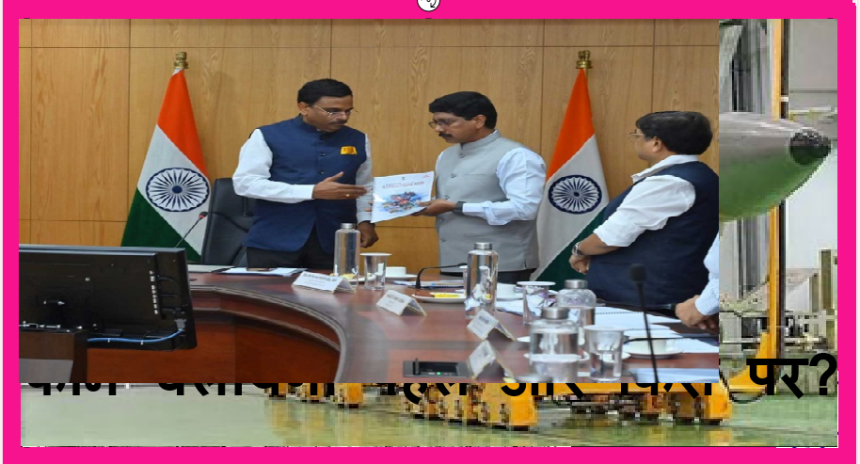
As Assam continues to battle one of its most severe flood disasters in recent years, the Centre has taken a closer look at the devastation on the ground. A six-member Inter-Ministerial Central Team (IMCT), after spending four days inspecting the worst-hit districts of eastern Assam, held an extensive review meeting with Assam Chief Secretary Ravi Kota, a 1993-batch IAS officer, at Janata Bhawan in Dispur. The discussions focused on the enormous destruction caused by the floods, the progress of relief operations, and the urgent financial support required for rehabilitation.
The state government used the opportunity to press for stronger assistance from the Centre. Officials argued that the scale of destruction witnessed this year was unlike anything seen in recent memory and called for relaxation of the existing State Disaster Response Fund (SDRF) norms so that more families could receive meaningful financial relief.
The meeting marked an important step in the Centre’s process of evaluating flood-related losses before deciding on additional financial assistance for the state.
Four-Day Ground Assessment Across Eastern Assam
Before sitting down with senior Assam officials, the central delegation carried out an extensive on-ground assessment in the districts that suffered the worst impact from the floods. The team was led by M. Ramachandrudu, Joint Secretary (Disaster Management-II) in the Ministry of Home Affairs.
Rather than depending only on official reports, the delegation travelled through flood-hit regions to examine the actual situation. The field visits enabled the members to interact with local authorities, inspect damaged infrastructure and understand the challenges being faced by affected communities.
The inspection schedule covered multiple districts over four consecutive days.On July 26, the team visited Charaideo, one of the districts that witnessed unusually severe flooding.
The following day, July 27, officials carried out inspections across Sivasagar, where large-scale inundation affected homes, roads and agricultural land.
The final phase of the field assessment took place on July 28 in Jorhat and Golaghat, completing the delegation’s tour of eastern Assam’s worst-hit areas. After returning to Dispur, the team consolidated its observations and reviewed them with the state’s top administrative leadership.
Chief Secretary Ravi Kota Leads High-Level Review
The review meeting was chaired by Chief Secretary Ravi Kota and brought together senior officials from multiple state departments along with representatives of several central agencies.
The discussions revolved around three major concerns – the extent of damage caused by the floods, the effectiveness of ongoing relief operations, and the long-term rehabilitation measures that would be required once floodwaters recede.
Officials presented detailed data on losses suffered by people, damage to public infrastructure and the continuing challenges in restoring normal life across the affected districts. The state administration stressed that rescue operations had been launched immediately after the flooding began and that relief efforts continue in several locations even now.
State Explains Why This Year’s Floods Were Different
One of the key presentations during the meeting came from L. Sweety Changsan, Additional Chief Secretary of the Revenue and Disaster Management Department and Chief Executive Officer of the Assam State Disaster Management Authority (ASDMA).
She explained that this year’s floods differed significantly from the state’s usual flood pattern. According to the presentation, districts such as Charaideo and Sivasagar have traditionally not been categorised as highly flood-prone areas. Yet both districts witnessed extensive flooding this time, surprising both residents and authorities.
Officials attributed the disaster to exceptionally heavy rainfall over neighbouring Nagaland on July 19, particularly in the districts of Mokokchung, Wokha and Mon. The massive inflow of water from these regions, combined with intense local rainfall across eastern Assam, created an unusual hydrological situation that resulted in widespread flooding.
The government pointed out that the nature of this rainfall event made the disaster particularly severe and far more difficult to predict than conventional seasonal floods.
Massive Damage Across Multiple Sectors
The central delegation was briefed on the widespread destruction caused by the floods across several sectors. Residential buildings suffered extensive damage, leaving thousands of families displaced from their homes. Public infrastructure, including roads and government facilities, also sustained significant losses, affecting connectivity and essential public services.
Agricultural fields remained submerged in several locations, causing serious concerns for farmers whose standing crops were destroyed. Officials also highlighted the impact on livelihoods, with many families losing income sources due to damaged businesses, livestock losses and disrupted economic activity.
Essential services, including transportation and communication networks in certain areas, also faced disruptions during the disaster. The government informed the visiting delegation that the complete assessment of losses is still underway and that additional figures are expected once water levels recede completely.
Rescue Operations Mobilised on a Massive Scale
State authorities outlined the extensive rescue operations launched immediately after the floods. The Assam State Disaster Response Force worked alongside the National Disaster Response Force, Fire and Emergency Services personnel, district administrations and hundreds of local volunteers to evacuate stranded residents and provide emergency assistance.
Officials said the coordinated response helped save lives in several severely affected locations where rising floodwaters had cut off villages from surrounding areas.
Community participation also played a major role during rescue operations, with local volunteers assisting government agencies in transporting relief materials, evacuating vulnerable residents and supporting relief camps.
Relief Supplies Continue to Reach Affected Families
Even as damage assessment continues, the Assam government has intensified relief distribution across the worst-hit districts. Officials informed the IMCT that family relief kits are being transported from neighbouring districts to Charaideo and Sivasagar to ensure uninterrupted assistance for affected households.
Each relief package contains essential food and household items, including rice, dal, mustard oil, salt and candles, helping families meet their immediate daily needs. Authorities stated that all relief distribution is being carried out according to prescribed government guidelines so that assistance reaches eligible beneficiaries in an organised and transparent manner.
The administration also indicated that relief operations will continue for as long as necessary in areas where people remain affected by floodwaters.
Assam Seeks Relaxation in SDRF Norms
One of the most significant issues raised during the meeting concerned financial assistance under the State Disaster Response Fund. Senior Assam officials urged the visiting central delegation to recommend relaxation of existing SDRF norms while preparing its report for the Government of India.
According to the state government, the present framework may not adequately address the scale of losses suffered during this year’s extraordinary floods. Officials argued that enhanced financial support would allow authorities to extend greater assistance to affected families, accelerate rehabilitation work and rebuild damaged infrastructure more effectively.
The state believes that the unprecedented nature of the disaster justifies special consideration from the Centre beyond routine disaster relief provisions.
Comprehensive Flood Memorandum to Follow
The government also informed the IMCT that a detailed flood memorandum is currently being prepared. Since damage assessment is still continuing in several locations, officials said the final memorandum would be submitted to the Central Government after the flood season concludes.
The document will include district-wise estimates of losses, rehabilitation requirements, infrastructure damage and financial assistance sought from the Centre. This memorandum will form an important basis for determining the level of additional central support that Assam may receive.
Senior Officials and Central Agencies Participate
The review meeting witnessed participation from a wide range of departments and organisations involved in flood management and disaster response. Representatives from the National Disaster Response Force, the Indian Army, Northeast Frontier Railway, Food Corporation of India, Bharat Sanchar Nigam Limited and the Department of Telecommunications attended the discussions.
District administrations from the affected regions also participated, with several officials joining virtually to provide updates from the ground. Apart from team leader M. Ramachandrudu, the Inter-Ministerial Central Team included experts and representatives from the Central Water Commission, Ministry of Finance, Ministry of Rural Development, Ministry of Road Transport and Highways, and the National Remote Sensing Centre.
Senior officers from Assam’s Animal Husbandry and Veterinary Department, Industries Department, Panchayat and Rural Development Department and several other state agencies were also present, reflecting the multi-sectoral nature of the flood response.
Centre to Submit Detailed Assessment Report
At the conclusion of the meeting, the central delegation assured the Assam government that every observation gathered during the field visits and review discussions would be incorporated into a comprehensive assessment report.
The report will be submitted to the Government of India for further evaluation and will play a crucial role in deciding future relief assistance, rehabilitation funding and any additional support that may be extended to Assam.
While immediate relief efforts remain the priority, the Centre’s assessment is expected to shape the state’s long-term recovery strategy. With damage assessment still continuing and rehabilitation needs likely to grow in the coming weeks, Assam now awaits the Centre’s decision on enhanced financial assistance and possible relaxation of disaster relief norms to help rebuild communities devastated by one of the state’s most challenging flood seasons in recent years