

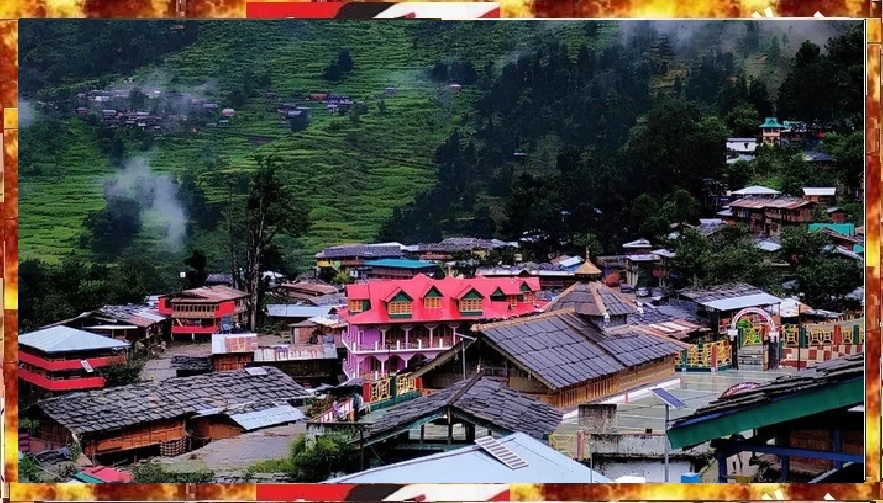
42 Uttarkashi Villages Demand Relief from Govind Wildlife Sanctuary Restrictions, Cite Delays in Roads and Water Projects
Residents of 42 villages in the Mori development block of Uttarakhand’s Uttarkashi district have renewed their demand for relief from restrictions associated with the Govind Wildlife Sanctuary, alleging that these have affected their traditional forest rights and held up essential infrastructure projects.
Spread across five remote pattis, the villages continue to face challenges relating to road connectivity, drinking water facilities and mobile communication. Residents have also expressed concern over difficulties in accessing forest produce and timber traditionally used for house construction and other essential requirements.
The issue dates back to 1955, when 957.96 hectares of land in the region were brought within the boundaries of the Govind Wildlife Sanctuary. Villagers maintain that the restrictions arising from the protected-area status have continued to affect their customary rights and hinder development activities, despite the passage of several decades.
957.96 Hectares Included in Sanctuary in 1955
The land brought under the sanctuary in 1955 covered areas falling within five pattis of Mori block:
Badasu
Panchgai
Adhod
Fateh Parvat
Singtur
The inclusion of these areas within the protected zone has remained a longstanding concern for local communities. Residents say the restrictions have made it difficult for them to exercise their traditional hak-hakook, or customary forest rights.
One of their principal concerns relates to access to free-grant and PD timber, which villagers traditionally use for house construction and other domestic requirements. They argue that difficulties in obtaining these resources have affected customary practices and added to the hardships faced by people living in remote settlements.
Residents have also linked forest-related permission requirements to delays in local development works, particularly projects that require land-use approvals or clearance from the concerned authorities.
Jal Jeevan Mission Projects, Roads and Bridges Await Progress
The villagers have highlighted several infrastructure-related difficulties, arguing that restrictions and delays in securing the necessary permissions have affected the delivery of basic services.
The major concerns include:
Drinking Water: Several projects under the Jal Jeevan Mission have reportedly remained incomplete, leaving residents waiting for improved access to drinking water.
Road Connectivity: Road construction in the region has allegedly been affected by difficulties in obtaining the required land permissions. Poor connectivity continues to pose challenges for residents of these remote villages.
Pending Bridges: Villagers have also raised concerns over bridge construction projects that have yet to make the expected progress, affecting transportation and access between settlements.
Mobile and Internet Connectivity: According to residents, BSNL has not received the necessary permission to lay cables required to improve communication services in the area. This has reportedly delayed efforts to strengthen mobile and internet connectivity.
Residents contend that these delays have compounded the difficulties of daily life, affecting access to essential services, transportation and communication facilities.
Villagers Say 2014 Announcement Failed to Deliver Expected Relief
Residents have also referred to an announcement made by the then Chief Minister in 2014, which was followed by a notification concerning the issue. However, they claim that the subsequent developments did not translate into the relief they had anticipated.
According to the villagers, repeated representations have been made to the state administration, while intervention from the Central Government has also been sought.
They are now urging the Uttarakhand government to take up the matter with the Centre and find a lasting solution that protects their customary forest rights while allowing essential infrastructure projects to move forward.
The residents’ demand centres on striking a balance between wildlife conservation requirements and the legitimate needs of communities that have traditionally depended on local forest resources.
Sanctuary Administration Says Proposals Sent to Centre
Govind Wildlife Sanctuary Deputy Director Nidhi Semwal has confirmed that proposals concerning the traditional rights of residents have previously been forwarded to the Central Government.
According to Semwal, the Centre had suggested that arrangements be made to provide facilities to villagers through the Tons Forest Division.
She further stated that another proposal was subsequently sent to the Centre, seeking arrangements that would enable residents to exercise their customary rights within their respective areas.
The matter, therefore, remains under consideration. While the sanctuary administration has indicated that proposals have been submitted to the Central Government, residents continue to seek a concrete resolution to the difficulties they say have affected their access to forest resources and essential infrastructure.
Balancing Forest Conservation with Community Development
The concerns raised by the 42 villages highlight the continuing challenge of reconciling protected-area regulations with the developmental needs and customary rights of communities living in and around forest regions.
For residents of Mori block, the issue extends beyond access to timber and forest produce. Delays in drinking water schemes, roads, bridges and communication infrastructure have made the demand for a resolution increasingly important.
The next steps will depend on the response of the Central and Uttarakhand governments to the proposals submitted by the sanctuary administration and the concerns raised by local communities. Villagers are hoping that a mutually acceptable arrangement will allow conservation objectives to be maintained without leaving remote settlements deprived of basic facilities and traditional rights.