

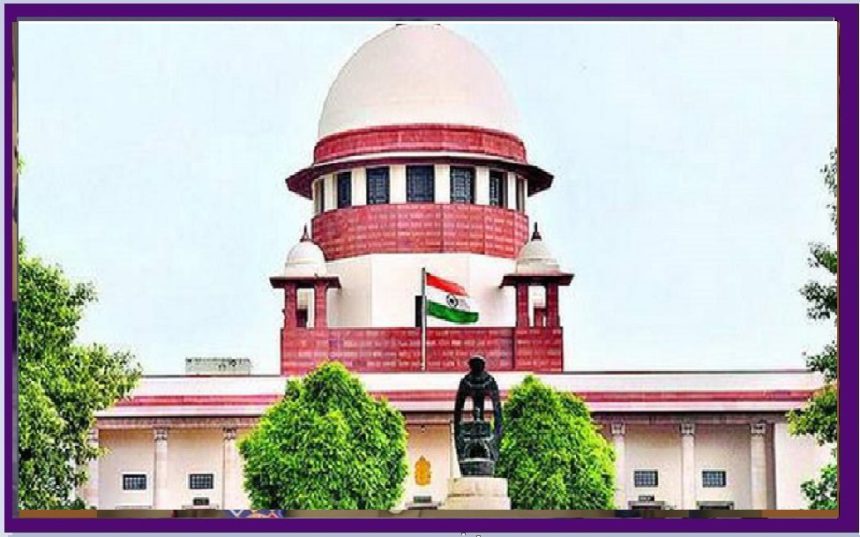
Top Court Cancels Anticipatory Bail; Orders ED and EOW to Fast-Track Probe into ₹3.64 Crore Corruption Scandal
In a dramatic twist to the Civil Supplies Corporation (NAN) scam case, the Supreme Court of India has rejected the anticipatory bail pleas of retired IAS officers Alok Shukla (1986 batch) and Anil Tuteja (2003 batch). The ruling mandates their two-week custody with the Enforcement Directorate (ED) followed by two weeks in judicial custody, injecting new momentum into a case that has dragged on for nearly a decade.
The NAN Scam: A Long Trail of Corruption
The NAN scam surfaced in February 2015, exposing widespread corruption in the Chhattisgarh Civil Supplies Corporation, the state agency responsible for managing the Public Distribution System (PDS).
Simultaneous raids conducted by the Anti-Corruption Bureau (ACB) and the Economic Offences Wing (EOW) on 25 premises unearthed ₹3.64 crore in unaccounted cash, alongside incriminating documents.
The revelations shook the state bureaucracy and cast a shadow over the functioning of the PDS, raising critical questions about the misuse of public resources. Yet, despite the severity of the charges, the investigation repeatedly stalled amid legal roadblocks and allegations of political interference.
Supreme Court’s Turning Point Ruling
The apex court’s intervention has changed the course of the probe. In its order, the Supreme Court observed that both Shukla and Tuteja had sought to influence not only the NAN case but also related ED investigations, making their custodial interrogation essential.
By cancelling their anticipatory bail, the court has empowered investigating agencies to proceed without legal hurdles. It also set strict deadlines:
ED must complete its probe within three months
EOW has two months to conclude its inquiry
This decisive ruling has broken years of procedural deadlock and underscored the judiciary’s impatience with prolonged investigations in high-profile corruption cases.
Fresh Raids and New Evidence
The investigation recently gained fresh traction after the ED raided Alok Shukla’s residence, seizing key documents and digital records that could expose deeper corruption networks.
Sources suggest that these records may implicate additional players and expand the scope of the probe. The ED has already relied on extensive interrogations of Anil Tuteja and Raipur-based businessman Anwar Dhebar — both previously arrested — to gather vital leads.
Court Pushes for Accountability
The Supreme Court has directed both the ED and EOW to ensure speedy resolution, warning against indefinite delays. The directive reflects the broader judicial push for time-bound investigations in economic offences, particularly those eroding public trust.
With Shukla and Tuteja now in custody, investigators are expected to intensify efforts to expose the full extent of the scam — including potential political patronage and systemic loopholes that enabled such large-scale corruption.
The Road Ahead
The cancellation of anticipatory bail for the two senior officers marks a watershed moment in the NAN scam saga. For the ED and EOW, the next few months will be crucial in unravelling the complete architecture of bribery, nepotism, and misuse of authority.
The case is not merely about two officers — it has become emblematic of the erosion of accountability in the public distribution system, one of the most critical lifelines for the poor.
The Supreme Court’s ruling signals that after a decade of suspicion and half-hearted inquiries, the era of delay is over — and accountability is finally catching up with the powerful.