

Appointments Committee of the Cabinet Approves Repatriation of IAS Officer Subodh Yadav to Karnataka Cadre on Personal Grounds
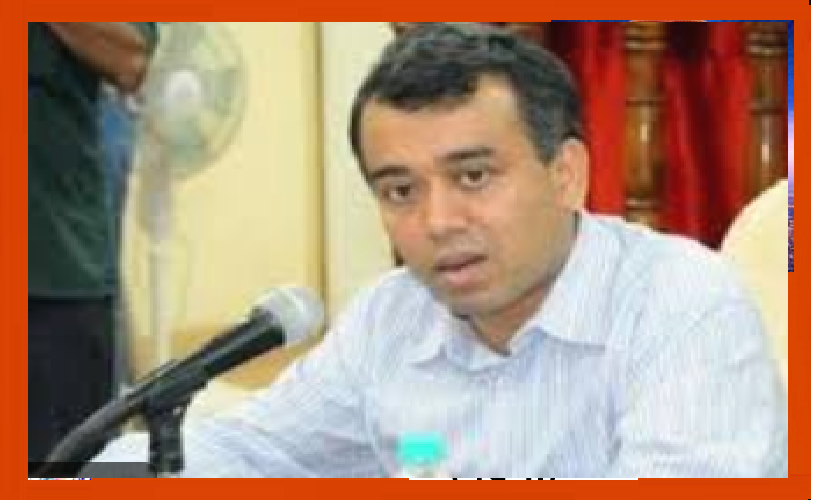
The Appointments Committee of the Cabinet (ACC) has formally approved the repatriation of Shri Subodh Yadav, a senior Indian Administrative Service officer of the 1999 batch, Karnataka cadre, to his parent cadre.
Yadav was serving as Additional Secretary in the Department of Water Resources, River Development & Ganga Rejuvenation under the Ministry of Jal Shakti. His tenure at the Centre has now been curtailed, and he will return to the Government of Karnataka for further posting.
Details of the Order
The repatriation has been sanctioned on personal grounds, as specified in the official notification.
With this decision, Yadav’s central deputation assignment in the Ministry of Jal Shakti comes to an end.
He will resume responsibilities in his parent cadre (Karnataka), where the state government will allocate him a new posting.
About Subodh Yadav
Batch & Cadre: 1999, Karnataka
Current Role (before repatriation): Additional Secretary, Department of Water Resources, River Development & Ganga Rejuvenation, Ministry of Jal Shakti
Parent Cadre: Karnataka
Significance of the Repatriation
The repatriation of senior IAS officers from central deputation to their parent cadres is a routine but significant administrative process. Such decisions are often influenced by:
Personal considerations of the officer.
Cadre-level requirements in the respective states.
The need to balance administrative continuity at both central and state levels.
In this case, Yadav’s return to Karnataka is expected to strengthen the state’s administrative machinery, particularly in departments linked to governance, infrastructure, and resource management.
Broader Context
The Ministry of Jal Shakti, where Yadav was serving, plays a crucial role in:
Water resource management.
River development projects.
Ganga rejuvenation initiatives.
His repatriation underscores the dynamic nature of IAS postings, where officers frequently move between central assignments and state responsibilities to meet evolving administrative needs.