

IAS Aunjaneya Kumar Singh Tenure Row Takes Fresh Turn as SP Leader Withdraws Supreme Court Plea; UP Awaiting Centre’s Decision on Deputation
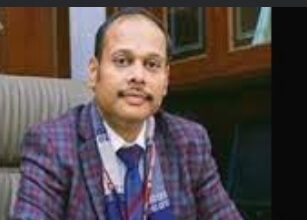
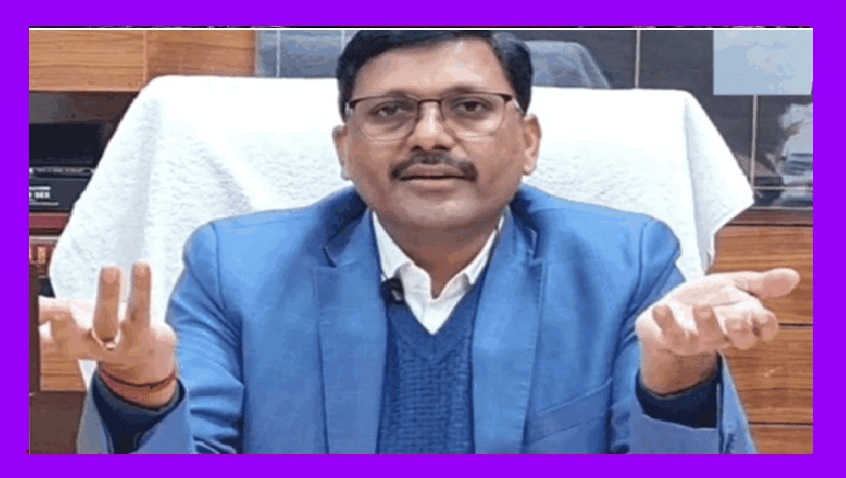
A long-running legal battle over the deputation of senior IAS officer Aunjaneya Kumar Singh has taken an unexpected turn after Samajwadi Party leader Ajay Sagar withdrew his petition from the Supreme Court. The move comes just days after Singh’s deputation in Uttar Pradesh officially ended, adding another layer of intrigue to a case that has remained politically sensitive for years.
The 2005-batch IAS officer of the Sikkim cadre, who served as Moradabad Divisional Commissioner, handed over charge on August 14 and proceeded on leave after his latest deputation expired. While no fresh government order has been issued regarding his future posting, reports suggest that the Uttar Pradesh government has already approached the Centre seeking another extension.
The withdrawal of the Supreme Court petition has sparked fresh speculation, particularly because the case had been closely watched by the political camp of senior Samajwadi Party leader Mohammad Azam Khan, whose disputes with Singh during his tenure as Rampur District Magistrate had turned the officer into one of the state’s most discussed bureaucrats.
Supreme Court Petition Withdrawn at Crucial Moment
The latest legal twist unfolded when Ajay Sagar, the Samajwadi Party’s Rampur District President, chose to withdraw his petition from the Supreme Court during Monday’s hearing.
Sagar had approached the apex court seeking intervention in what he described as the prolonged extension of Singh’s deputation in Uttar Pradesh. The case had earlier originated in the Delhi High Court, where it continued to remain pending without reaching a final hearing.
The timing of the withdrawal has attracted considerable attention because Singh’s deputation has already expired, and the Centre has yet to announce whether it will approve Uttar Pradesh’s reported proposal for another extension. Sagar has not publicly explained why the petition was withdrawn, leaving political observers to draw their own interpretations.
Why Was the Legal Challenge Filed?
The controversy surrounding Aunjaneya Kumar Singh did not emerge overnight. His tenure in Rampur brought him into direct confrontation with the political establishment linked to Mohammad Azam Khan, one of the Samajwadi Party’s most prominent leaders.
As District Magistrate of Rampur, Singh became associated with several administrative and legal actions involving Azam Khan, his associates, and matters connected to Jauhar University.
His firm administrative approach during that period made him a controversial figure among sections of the Samajwadi Party while simultaneously strengthening his reputation within the bureaucracy.
After serving for nearly two years as Rampur DM, Singh was appointed Moradabad Divisional Commissioner, where he continued serving for around seven years. Ajay Sagar challenged the repeated extensions of Singh’s deputation, arguing against his continued stay in Uttar Pradesh.
Delhi High Court Case Has Been Pending Since 2022
The legal battle began in 2022, when Sagar first approached the Delhi High Court challenging Singh’s deputation and subsequent extensions.
However, the case remained pending for an extended period without reaching a final hearing. As Singh’s tenure approached expiry last year, Sagar escalated the matter by approaching the Supreme Court.
In August last year, the apex court disposed of that petition after directing that appropriate steps be taken to ensure an early hearing of the writ petition pending before the Delhi High Court.
Despite that direction, the High Court proceedings continued without a final resolution. Eventually, the next hearing was scheduled for October 8, well after Singh’s deputation was due to end.
Fresh Supreme Court Plea Before Deputation Expired
With the High Court hearing still months away, Sagar once again moved the Supreme Court on June 15 this year. The fresh petition argued that Singh’s deputation would expire on August 13-14, while the High Court would hear the matter only on October 8.
The plea sought directions that would allow the legal issue to be addressed before the deputation period ended. The matter came up for hearing this week. Instead of pressing for a ruling, however, the petitioner’s counsel chose to withdraw the case, bringing the latest Supreme Court proceedings to an abrupt close.
Why the Withdrawal Is Raising Questions
The absence of any official explanation has made the withdrawal one of the biggest talking points surrounding the case. Political circles, particularly those associated with the Azam Khan camp, had been closely monitoring the proceedings because the petition directly challenged Singh’s continued deputation.
Since the Supreme Court was expected to examine the matter, the sudden withdrawal has naturally triggered speculation. Ajay Sagar has declined to disclose the reason behind the decision. For now, the circumstances surrounding the withdrawal remain unclear.
Singh Is Currently on Leave
While the legal proceedings have taken an unexpected turn, Singh’s administrative status has also changed. After his deputation expired on August 14, he formally handed over charge as Moradabad Divisional Commissioner and proceeded on leave.
Importantly, the Uttar Pradesh government has not yet issued any order either extending his tenure or assigning him another posting. That uncertainty has kept bureaucratic circles closely watching developments in New Delhi.
Why Uttar Pradesh May Still Want Him Back
Even though Singh’s deputation has ended, reports indicate that the Uttar Pradesh government has already sought another extension from the Centre.
His case has attracted nationwide attention because he has already spent around 11 years in Uttar Pradesh on deputation, far exceeding the normal tenure typically associated with inter-cadre postings. If another extension is approved, it would become the eighth relaxation granted during his deputation.
Supporters of his continuation often point to his experience handling politically sensitive districts, particularly in western Uttar Pradesh, where law-and-order management and administrative familiarity are considered valuable.
Rampur and Moradabad Defined His Career in UP
Few IAS officers become so closely identified with two particular regions. Singh’s years in Rampur and Moradabad have defined much of his Uttar Pradesh career. As Rampur District Magistrate, he handled several high-profile administrative actions involving Azam Khan, Jauhar University, land matters, and related legal proceedings.
Later, as Moradabad Divisional Commissioner, he supervised administration across a region known for its political complexity and communal sensitivities. That combination of experience has made his tenure both politically significant and administratively influential.
The High Court Case Is Still Alive
One important point often overlooked is that the withdrawal of the latest Supreme Court petition does not automatically end the legal challenge altogether. The original writ petition pending before the Delhi High Court continues to exist.
According to available information, the next hearing remains scheduled for October 8. That means the High Court could still examine questions surrounding Singh’s deputation, particularly if the government issues another extension before the case is heard.
The Bigger Question Remains Unanswered
While the legal battle has entered a new phase, the larger administrative question remains unresolved.
Will Aunjaneya Kumar Singh return to Uttar Pradesh?
The answer now depends almost entirely on the Centre’s decision regarding the Uttar Pradesh government’s reported proposal for another extension. If approved, Singh could continue serving in the state, possibly in another strategically important assignment.
If rejected, he may have to return to his parent Sikkim cadre, ending one of the longest and most debated inter-cadre deputations involving a senior IAS officer in recent years. For now, the courtroom drama has paused. The administrative uncertainty, however, is far from over.