

Inside India’s Chabahar Triumph: How Diplomats Vinay Kwatra, Vikram Misri, and JP Singh Masterminded a Strategic U.S. Waiver
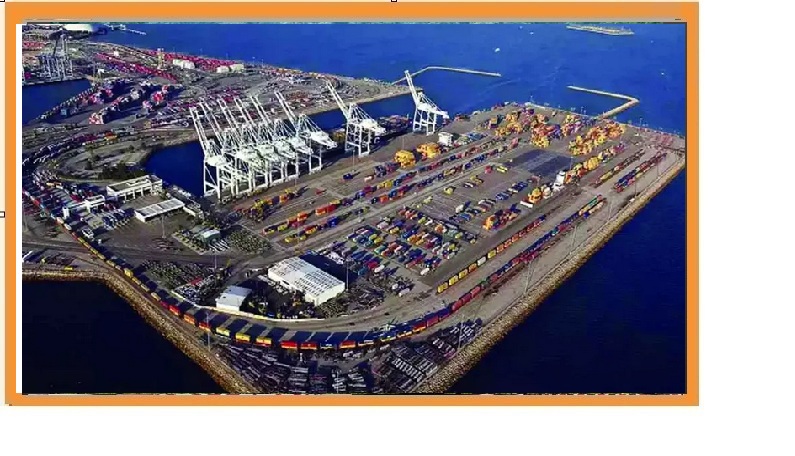
In a remarkable diplomatic success, India has obtained a six-month waiver from the United States for continuing its operations at Iran’s Chabahar Port — a key project central to India’s regional connectivity and humanitarian outreach. This achievement, viewed as a major foreign policy milestone, was the result of coordinated and strategic efforts by three of India’s most seasoned diplomats — Vinay Mohan Kwatra, Vikram Misri, and Jitender Pal (JP) Singh — who collectively steered India’s case through complex negotiations in Washington.
Vinay Kwatra: Steering Strategy at the U.S. Frontline
As India’s Ambassador to Washington, Vinay Mohan Kwatra played a pivotal role in maintaining consistent dialogue with U.S. policymakers. Drawing on his extensive background as a former Foreign Secretary and his deep insight into American policy circles, Mr. Kwatra personally engaged with U.S. senators and officials, including a key meeting in October 2025 with Senator Jacky Rosen.
He effectively positioned Chabahar not merely as a trade route but as a humanitarian and stabilizing channel for Afghanistan’s economic survival and regional peace. His persuasive diplomacy ensured that Washington viewed the port as a tool for development, not as a geopolitical risk.
Vikram Misri: Sustaining High-Level Engagements
Foreign Secretary Vikram Misri built upon that foundation by leading intensive inter-governmental consultations with the U.S. State Department, Pentagon, and Department of Commerce in May 2025. Through measured and precise communication, he managed to bridge security apprehensions while reiterating India’s transparency and developmental motives behind the Chabahar initiative.
Mr. Misri’s experience as a former Deputy National Security Adviser helped structure India’s strategic dialogue into a coherent framework that emphasized both trust and accountability. His leadership proved vital in ensuring that U.S. decision-makers saw the project as a stabilizing regional force rather than a sanctions risk.
JP Singh: Strengthening the Argument with Ground Realities
As the head of the Pakistan-Afghanistan-Iran (PAI) Division, JP Singh brought invaluable operational experience to the table. Having previously dealt directly with Afghan authorities and Taliban representatives, he provided firsthand insights into how the Chabahar Port sustains Afghanistan’s humanitarian and trade supply chains.
His deep understanding of local dynamics lent authenticity to India’s diplomatic messaging — projecting India as a responsible regional stakeholder committed to peace, commerce, and people-centered development.
A Broader Strategic and Developmental Win
This waiver goes beyond logistical access. It reflects India’s growing diplomatic maturity — balancing great power equations while pursuing independent developmental goals. The Chabahar Port continues to be India’s strategic lifeline to Afghanistan and Central Asia, offering an alternative trade and aid corridor free from Pakistan’s transit restrictions.
The success also underlines India’s evolving identity as a constructive, credible, and humanitarian global actor, capable of aligning strategic intent with developmental ethics.
Profiles of the Key Diplomats
Vinay Mohan Kwatra (IFS, 1988): A veteran diplomat with expertise in economic and strategic affairs. His postings in Beijing, Paris, and Washington — and his tenure as Foreign Secretary — have shaped India’s engagement with major powers.
Vikram Misri (IFS, 1989): Currently serving as Foreign Secretary, Mr. Misri has been India’s Ambassador to China, Spain, and Myanmar. Known for his strategic precision, he has been instrumental in reshaping India’s foreign policy architecture.
Jitender Pal (JP) Singh (IFS, 2002): Renowned for his crisis diplomacy in the Afghanistan-Pakistan-Iran region, he now serves as India’s Ambassador to Israel, continuing to advance India’s footprint in West Asia.
What This Means for India
The U.S. waiver for Chabahar marks a new chapter in India’s global diplomacy — one where strategic restraint and proactive negotiation work in tandem. It confirms New Delhi’s credibility as a balancing power capable of safeguarding national interests while promoting stability and humanitarian progress.
This diplomatic episode showcases that in a world of competing interests, India’s quiet, calculated, and collaborative diplomacy can still deliver outcomes that redefine regional geopolitics in its favor.