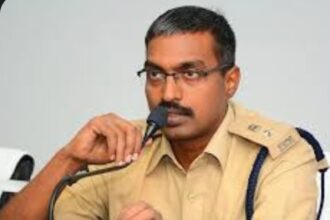


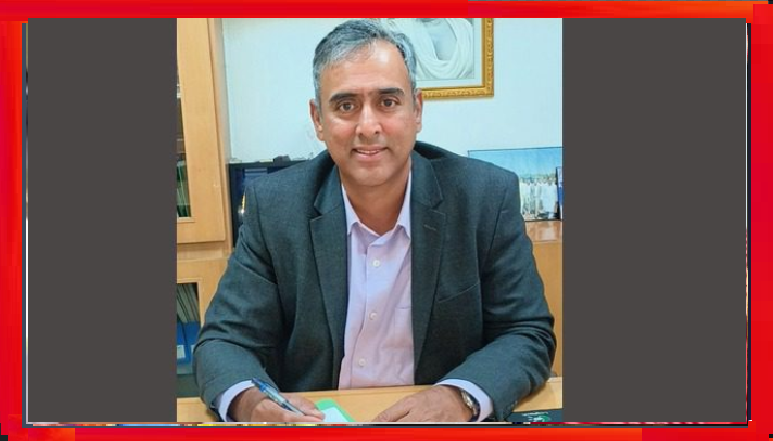
After the tech industry’s sharp criticism, senior IAS officer Maheshwar Rao leads Bengaluru’s latest effort to overhaul its worst-performing roads, focusing on long-term repair and better coordination among civic bodies.
In response to mounting frustration over Bengaluru’s worsening road conditions, IAS officer M. Maheshwar Rao has initiated a major citywide review to pinpoint and repair the 100 most problematic stretches across the metropolis. The move comes after Biocon founder Kiran Mazumdar-Shaw publicly expressed anger over the city’s pothole-ridden, poorly lit, and frequently flooded roads, sparking renewed public debate about civic accountability.
Who is IAS Maheshwar Rao?
A 1995-batch Karnataka-cadre IAS officer, Maheshwar Rao was born on August 20, 1971, and has served in multiple key administrative capacities. An alumnus of North Eastern Hill University, Shillong, and Harvard University, Rao currently serves as Additional Secretary and Financial Adviser in the Department of Space. Known for his structured decision-making and reform-oriented governance, he has earned a strong reputation among peers and policymakers alike.
Citizen Participation at the Core of the Project
In a social media post on X (formerly Twitter), Rao announced that each zonal chief engineer will prepare a list of 10 priority roads based on citizen feedback and direct field inspections. These roads will then be assessed for sustainable, long-lasting repairs, avoiding the patchwork approach often seen in civic maintenance.
The identified routes will be examined for potholes, poor drainage, weak lighting, crumbling footpaths, and accident-prone zones. Rao has mandated that agencies such as BWSSB and BESCOM will need clearance from the Greater Bengaluru Authority (GBA) before undertaking any excavation or maintenance, ensuring better synchronization and minimal disruption.
He also underlined the need for weekly monitoring, promising transparent progress reviews to ensure accountability. The initiative, Rao said, reflects Bengaluru’s shift toward a citizen-first urban model, emphasizing both efficiency and public trust.
Deputy CM DK Shivakumar Responds to Industry Criticism
Following Mazumdar-Shaw’s remarks, Deputy Chief Minister DK Shivakumar, who also heads Bengaluru’s urban development portfolio, cautioned industry leaders against making sweeping public criticisms that could “hurt” the city’s image.
He reminded corporate leaders that Bengaluru’s growth has fueled their own success stories, and urged them to support the government’s ongoing infrastructure overhaul. Shivakumar cited projects such as the creation of the East Bengaluru Corporation, designed to decongest IT corridors and upgrade key traffic routes as proof of the government’s commitment.
Long-Term Urban Vision
The “Top 100 Roads Mission” marks a shift from reactive maintenance to strategic, data-driven urban management. By combining citizen engagement, inter-agency coordination, and constant monitoring, the administration hopes to bring tangible improvements to safety, traffic flow, and commuter satisfaction.
If executed effectively, this initiative could serve as a model for metropolitan infrastructure renewal, restoring public confidence in civic governance and reaffirming Bengaluru’s image as a global innovation capital with world-class urban standards.