14 JKAS Officers Cleared for IAS Induction; MHA, DoPT Seek Consent as Nine Vacancies Are Carried Forward
In a major boost for Jammu and Kashmir’s administrative services, 14 serving officers of the Jammu and Kashmir Administrative Service (JKAS) have been cleared for induction into the Indian Administrative Service (IAS) after receiving approval from the Union Public Service Commission (UPSC). The long-awaited process has now entered its final stage, with the Ministry of Home Affairs (MHA) and the Department of Personnel and Training (DoPT) asking the Jammu and Kashmir administration to obtain consent from the selected officers before issuing the formal induction notification.
The development marks a significant milestone in the induction of Union Territory officers into the IAS under the AGMUT cadre, which now includes Jammu and Kashmir following its transition into a Union Territory.
While UPSC has approved 14 serving officers, the selection process had originally identified 23 vacancies. The remaining nine vacancies, which relate to officers who have already retired, will now be carried forward to the next induction cycle, potentially creating additional opportunities for eligible JKAS officers in the future.
The latest move is particularly noteworthy because it comes nearly four years after the previous JKAS-to-IAS induction exercise, reviving a process that has historically faced prolonged delays.
MHA and DoPT Seek Consent Before Final Notification
Although the UPSC has completed its part of the selection process, the induction is not yet officially complete. The Jammu and Kashmir General Administration Department (GAD) has received communication from both the Ministry of Home Affairs and the Department of Personnel and Training, directing it to obtain consent letters from each of the 14 selected officers.
This is an important procedural requirement because officers selected for induction into the IAS retain the option of declining the induction. Once the consent letters are collected, the GAD will forward them to the two central ministries, which will then issue the formal notification inducting the officers into the IAS.
After the notification is issued, each officer will receive a year of allotment based on the applicable vacancy year and the governing service rules.
UPSC Cleared the Proposal After April Meeting
The breakthrough follows a two-day UPSC Selection Committee meeting held in New Delhi on April 23 and 24, 2026, during which eligible JKAS officers were considered for induction against vacancies identified for 2019 and 2020.
Senior officials from the Jammu and Kashmir administration and the Ministry of Home Affairs participated in the selection process, which examined the eligibility of officers under the IAS (Appointment by Promotion) Regulations.
According to official sources, most of the selected officers have been approved against 2019 vacancies, while the remaining officers have been cleared against 2020 vacancies. The UPSC’s approval represents one of the biggest milestones in the process, leaving the formal government notification as the principal remaining administrative step.
Full List of 14 JKAS Officers Cleared for IAS Induction
The following 14 serving JKAS officers have been cleared for induction into the IAS, subject to furnishing their consent:
-
Babila Rakwal
-
Shabnam Kamili
-
Rachna Sharma
-
Leena Padha
-
Rajinder Singh Tara
-
Tariq Hussain Ganai
-
Munir Ul Islam
-
Sajjad Hussain Ganai
-
Anoo Malhotra
-
Nitu Gupta
-
Prediman Krishen Bhat
-
Bhawani Rakwal
-
Smita Sethi
-
Anuradha Gupta
Once the formal notification is issued, these officers will become members of the AGMUT IAS cadre, opening a new chapter in their administrative careers.
Nine Vacancies to Be Carried Forward
The UPSC process considered a total of 23 vacancies for JKAS-to-IAS induction. However, only 14 serving officers have been cleared in the current cycle because the remaining nine vacancies relate to officers who have already retired.
Since retired officers cannot be inducted into the IAS, these vacancies will now be carried forward to the next year’s induction exercise. Officials say future selection processes will consider these carried-forward vacancies alongside any additional vacancies that arise during the next cycle. This effectively creates the possibility of another significant induction exercise in the coming year.
How the Induction Process Will Move Forward
With UPSC approval already secured, the remaining steps are largely procedural but essential. The process will now unfold in the following sequence:
-
The J&K General Administration Department will obtain consent letters from all 14 officers.
-
The consent letters will be forwarded to the Ministry of Home Affairs and the Department of Personnel and Training.
-
The Central Government will issue the formal IAS induction notification.
-
The officers will receive their year of allotment based on vacancy years and applicable rules.
-
They will formally become IAS officers of the AGMUT cadre.
Until these steps are completed, the officers remain JKAS officers despite receiving UPSC clearance.
Joining the AGMUT Cadre
Once inducted, the officers will become part of the AGMUT (Arunachal Pradesh-Goa-Mizoram-Union Territories) cadre, one of the country’s most diverse IAS cadres. The AGMUT cadre covers:
-
Arunachal Pradesh
-
Goa
-
Mizoram
-
Delhi
-
Jammu and Kashmir
-
Ladakh
-
Andaman and Nicobar Islands
-
Chandigarh
-
Dadra and Nagar Haveli and Daman and Diu
-
Lakshadweep
Following the reorganisation of Jammu and Kashmir as a Union Territory, IAS officers inducted from JKAS become members of this common cadre rather than a separate state cadre.
The cadre structure also provides officers with opportunities to serve across multiple Union Territories and states within the AGMUT framework.
Ending Another Long Wait
The latest development carries added significance because nearly four years have passed since the previous JKAS-to-IAS induction. The last induction took place on August 4, 2022, when 16 JKAS officers eventually entered the IAS.
Interestingly, that process had initially cleared 28 officers on July 8, 2022, but the final number fell because several officers became ineligible or could not ultimately join. At that time:
-
Eight officers had retired.
-
Two declined induction.
-
One officer had died.
-
Another officer’s case remained under sealed cover.
As a result, only 16 officers were ultimately inducted.
A Process Delayed for Years
The induction of JKAS officers into the IAS has historically been one of the more delayed promotion processes within India’s administrative system. For nearly 12 years, between 2010 and 2022, the process remained stalled due to seniority disputes, legal challenges and procedural complications.
The 2022 induction finally broke that prolonged deadlock, but another gap followed before the current exercise moved forward. The latest UPSC clearance is therefore being seen as another important step in restoring regular induction cycles for eligible JKAS officers.
A Major Career Milestone
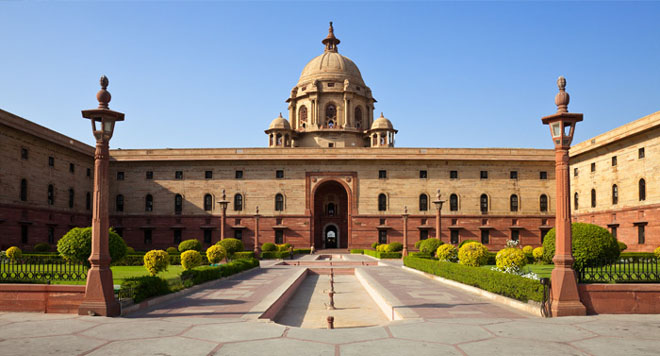
For the 14 selected officers, induction into the IAS represents one of the biggest milestones in their professional careers. Moving from the Jammu and Kashmir Administrative Service into the country’s premier All India Service expands their career opportunities while bringing them into a cadre that serves across multiple states and Union TerritNorth Block South Blockories.
The eventual allotment of induction years will also determine their place within the IAS seniority framework, making the final notification an important next step in the process.
With nine vacancies now carried forward, the current exercise may also pave the way for another round of JKAS-to-IAS inductions in the next selection cycle, potentially benefiting another group of eligible officers waiting for entry into the All India Service.