


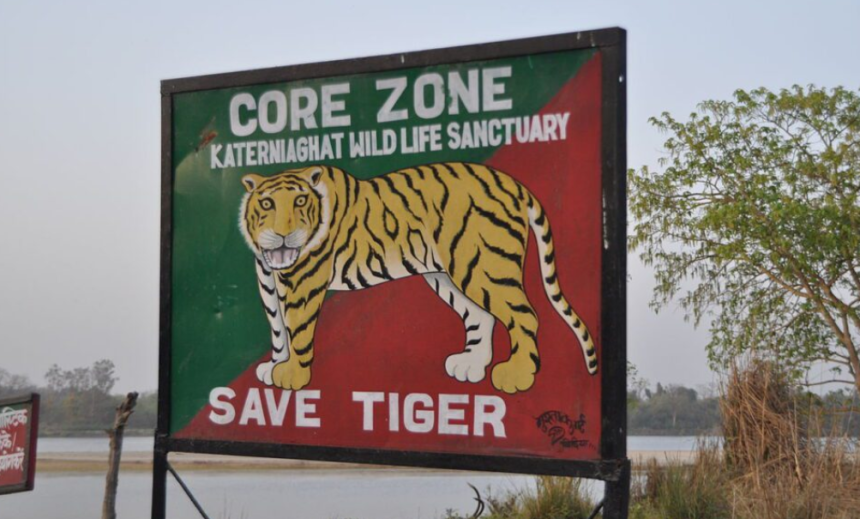
Surge in Tiger Population Fuels Ecotourism in Bahraich’s Border Sanctuary
Katarniaghat Wildlife Sanctuary, nestled along the India-Nepal border in Uttar Pradesh’s Bahraich district, is fast becoming a premier destination for wildlife enthusiasts and tiger lovers. Once known primarily for its serene natural landscapes, the sanctuary is now gaining prominence due to the frequent sightings of Bengal tigers during jungle safaris.
Tiger Population Doubles in Three Years, Enhancing Visitor Experience
According to wildlife experts, the number of Bengal tigers in Katarniaghat has more than doubled in the past three years, now exceeding 100. The 2022 tiger census confirmed this impressive growth—one of the highest recorded increases in tiger population across any Indian sanctuary. With the onset of summer and changing weather patterns, tiger sightings have become increasingly frequent, particularly along Bandha Road, where tigers are often spotted resting in the shade.
Booming Tourism Driven by Frequent Tiger Sightings
Tourists have expressed excitement over the rise in tiger encounters, sharing selfies and videos taken from safe distances on social media platforms. These viral moments have significantly boosted Katarniaghat’s popularity, attracting wildlife tourists in record numbers. The sanctuary has witnessed its highest footfall in the last three years, establishing itself as a key tiger tourism hotspot in North India.
Forest Officials Celebrate Conservation Milestone
Divisional Forest Officer (DFO) Suraj Kumar welcomed the positive trend, stating, “Tourists are now seeing tigers almost daily during jungle safaris. This is not only great for tourism but also reflects our successful conservation efforts.”
Ecological Challenges: Rising Tiger Numbers and Shrinking Habitat
While the rise in tiger population is a conservation success story, experts like BD Lakhmani warn of emerging challenges. The favorable ecosystem has led to a high birth rate among tigers, but the limited habitat space within Katarniaghat is becoming a concern. As territory becomes scarce, the risk of interspecies conflict and internal competition may rise.
The sanctuary is divided into seven ranges, and tigers have now been spotted in each—demonstrating the area’s ecological richness. However, balancing tiger conservation with sustainable habitat management will be crucial for the sanctuary’s future.