

Will IAS Officer Tukaram Mundhe Join Politics? Maharashtra FDA Chief Breaks Silence as Crackdown on Zepto, Blinkit, Instamart and Food Violators Intensifies
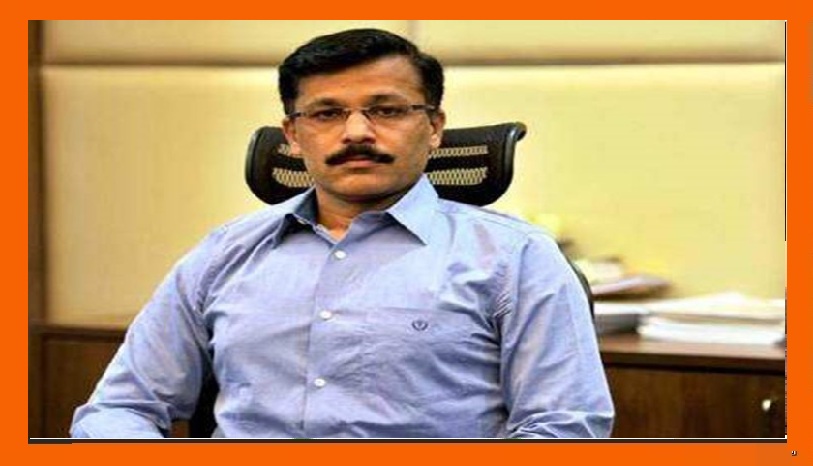
Maharashtra FDA Commissioner IAS Tukaram Mundhe has dismissed speculation about entering politics, saying his straightforward nature does not suit electoral life. His aggressive crackdown on food outlets, quick-commerce centres, abortion medicine rackets and drug violations continues to make headlines.
Few bureaucrats in India attract public attention quite like IAS officer Tukaram Mundhe. Whether it is shutting down businesses that violate regulations, launching surprise inspections, or speaking with unusual bluntness during interviews, the Maharashtra Food and Drugs Administration (FDA) Commissioner has built a reputation that rarely goes unnoticed.
His latest enforcement drives against food outlets, wholesalers, pharmacies and quick-commerce warehouses have once again placed him at the centre of national conversations. As videos of raids spread across social media and many users praised his uncompromising approach, another question began circulating just as quickly – could Tukaram Mundhe eventually step into politics? The senior IAS officer has now put that speculation to rest.
Speaking in an interview with NDTV Profit, Mundhe made it clear that he has no intention of entering electoral politics. He believes his personality, particularly his habit of speaking directly without sugarcoating his words, would make it difficult for him to succeed in the political arena.
The clarification comes at a time when his administrative style has generated both admiration and criticism, making him one of Maharashtra’s most closely watched civil servants.
Politics Is Not on His Agenda
For many public figures, growing popularity often fuels speculation about a political future. Mundhe’s case has been no different. His strict enforcement actions and image as a no-nonsense administrator have prompted many people online to suggest that individuals like him should play a larger role in public life.
During the interview, Mundhe said he has no plans to enter politics and does not believe his temperament aligns with the demands of political life. According to him, people who express themselves too directly often struggle to establish themselves in politics, where communication frequently requires diplomacy, negotiation and compromise. His remarks offered a rare glimpse into how he views his own working style.
Rather than presenting himself as someone preparing for a new career, he emphasized that his focus remains firmly on administrative responsibilities and enforcing regulations within the Food and Drugs Administration.
A Reputation Built on Straight Talk
One of the questions that often follows Tukaram Mundhe concerns his image. Supporters describe him as fearless and transparent. Critics sometimes label him blunt or even arrogant. Mundhe addressed that perception as well.
He said there is only a very thin line separating arrogance from speaking openly and honestly. In his view, what many people interpret as harshness is simply his natural way of communicating. He maintained that being straightforward is an integral part of his personality rather than a carefully cultivated public image.
That honesty has become one of the defining characteristics of his career. Unlike many administrators who prefer measured public statements, Mundhe has consistently projected an image of someone willing to state his views plainly, even when those views generate debate.
FDA Crackdown Gains Momentum
Since taking charge as Maharashtra’s Food and Drugs Administration Commissioner on May 25, Mundhe has significantly increased enforcement activities across the state. The department has carried out inspections at restaurants, food processing units, wholesale markets, pharmacies and storage facilities, with officials closely examining whether businesses are complying with food safety and drug regulations.
The inspections have not remained confined to traditional establishments. One of the biggest areas of focus has been the rapidly expanding quick-commerce sector, where groceries, medicines and food products reach customers within minutes through online platforms.
As consumer dependence on these services continues to grow, the FDA has stepped up scrutiny of the warehouses and fulfilment centres that power these delivery networks.
Zepto, Blinkit and Instamart Facilities Under Scanner
Among the most high-profile actions during Mundhe’s tenure has been the inspection of quick-commerce centres operated by major platforms such as Zepto, Blinkit and Instamart.
These inspections examined storage practices, hygiene standards, licensing requirements and regulatory compliance at facilities responsible for dispatching products directly to consumers. The crackdown produced significant consequences.
According to reports, the Maharashtra FDA cancelled the licences of approximately 14 quick-commerce centres following enforcement action, sending a strong message that digital delivery platforms are expected to meet the same regulatory standards as conventional businesses.
The action sparked widespread discussion because these platforms have become an essential part of urban life, serving millions of customers every day. Industry observers believe the inspections could encourage stricter compliance across the fast-growing quick-commerce ecosystem.
Food Safety and Consumer Protection Take Centre Stage
The recent enforcement campaign has done more than generate headlines. It has brought renewed public attention to food safety standards and consumer rights.
Many consumers assume that products delivered through digital platforms automatically meet quality requirements. The FDA’s inspections highlighted the importance of monitoring storage conditions, licensing compliance and supply chain practices even after products enter modern delivery networks.
The department’s actions reflect a broader effort to strengthen oversight as commerce increasingly shifts toward online and rapid-delivery models. Officials believe that regulatory enforcement must evolve alongside changing business practices, particularly when food and medicines are involved.
Abortion Medicine Racket Exposed
The FDA’s recent operations have not been limited to food-related violations. According to a PTI report, the department uncovered an alleged racket involving abortion medicines operating in Nagpur and Solapur.
The investigation resulted in cases being registered against eight individuals connected to the alleged network. One of the accused reportedly includes the director of the online marketplace IndiaMART, making the case particularly significant because of its alleged links to digital commerce.
The investigation has attracted considerable attention due to the sensitive nature of pharmaceutical regulation and the growing role of online marketplaces in product distribution. Authorities continue to examine how such medicines were allegedly being sold and distributed in violation of regulatory norms.
Twenty-Five Transfers, One Consistent Image
Tukaram Mundhe’s career has been marked by another striking statistic – frequent transfers. The senior IAS officer has reportedly been transferred 25 times during his administrative journey, a figure that has become almost synonymous with discussions about his career.
Many officers might view repeated transfers as setbacks. Mundhe has consistently expressed a different perspective. He has said that each transfer presents an opportunity to work in a new environment, understand different challenges and contribute through fresh responsibilities.
Rather than dwelling on instability, he describes every posting as a chance to learn and serve. That outlook has helped shape his public image as an officer who remains focused on work regardless of where he is posted.
Why His Working Style Continues to Divide Opinion
Supporters often celebrate Mundhe as an administrator who prioritizes accountability over popularity. They argue that his willingness to conduct surprise inspections and take visible enforcement action demonstrates a commitment to public interest.
Others believe his communication style can appear overly blunt. That contrast has followed him throughout much of his career. His latest tenure as Maharashtra FDA Commissioner has once again highlighted the same pattern.
Every major enforcement drive brings praise from citizens who want stricter governance, while critics continue questioning whether his uncompromising approach leaves enough room for dialogue. The debate itself has become part of the Tukaram Mundhe phenomenon.
Focus Remains on Administration
Despite the growing public interest surrounding his future, Mundhe has made his position unmistakably clear. He is not preparing for politics. Instead, he intends to continue functioning as a civil servant whose responsibility is to enforce laws governing food safety and pharmaceutical regulation across Maharashtra.
With inspections continuing across restaurants, pharmacies, wholesalers and quick-commerce facilities, his tenure at the Food and Drugs Administration is likely to remain under close public scrutiny. For now, the officer whose name frequently trends alongside discussions about governance says his mission remains administrative, not political.