Is Public Healthcare Being Commercialized? Former Bureaucrat P.V. Ramesh Criticizes Andhra’s PPP Plan for Medical Colleges
Former IAS officer P.V. Ramesh has raised serious objections to the Andhra Pradesh government’s decision to implement a Public-Private Partnership (PPP) model for ten medical colleges, calling it unconstitutional and a risky transfer of public resources into private control. The move has sparked resistance from political parties, medical professionals, and civil society groups, who fear it could jeopardize affordable medical education and public health services.
Ramesh Slams GO 590 as a Threat to Citizens’ Rights
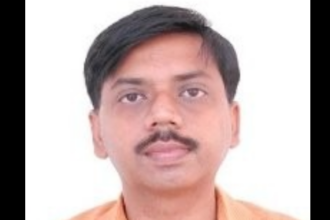
Speaking at a gathering held at MB Bhavan on Sunday, Ramesh—who previously served as Special Chief Secretary in the Health, Medical & Family Welfare Department—condemned Government Order No. 590, which outlines the PPP framework for medical colleges. He argued that the plan undermines constitutional guarantees and shifts essential public responsibilities into private hands.
Understanding the PPP Proposal
Under the leadership of Chief Minister N. Chandrababu Naidu, the Andhra Pradesh government has proposed partnering with private entities to complete and operate ten government medical colleges. These partnerships would involve sharing public assets such as land, buildings, and hospitals with private firms for long-term management.
Ramesh criticized the rationale behind this move, stating that citing budget constraints or efficiency concerns does not justify outsourcing core public functions like education and healthcare. He warned that such a shift violates the constitutional right to life and access to dignified medical care.
Why the Debate Matters
Medical colleges serve as both academic institutions and healthcare hubs. Privatizing them through PPP arrangements could result in the government losing control over critical aspects such as tuition fees, admission quotas, treatment protocols, and accessibility.
Ramesh emphasized that even in developed nations, healthcare is treated as a strategic investment, not a commercial enterprise. He cautioned that turning public medical colleges into profit-driven ventures could erode their welfare mandate.
Concerns are especially acute in underdeveloped districts where these colleges are planned. Former MLC K.S. Lakshmana Rao criticized the government’s reliance on funding shortages as an excuse to privatize, calling it a failure of governance.
Political and Public Pushback
The YSR Congress Party (YSRCP) has strongly opposed the PPP initiative, warning that it could make medical education inaccessible for students from disadvantaged backgrounds and weaken public health systems.
The Forum for Development of North Andhra (FDNA) has written to the Chief Minister demanding that all medical colleges remain under public control. They cited the stalled Makavarapalem project as an example of how PPP ventures can falter, leaving infrastructure incomplete.
Meanwhile, the Andhra Pradesh High Court recently declined to halt the tendering process for PPP colleges, stating that the government’s policy decisions cannot be invalidated solely because they involve private partnerships.
Key Concerns Raised
Transfer of Public Assets: Critics argue that GO 590 paves the way for long-term handover of public land and infrastructure to private entities, effectively privatizing essential services.
Equity and Affordability: There are fears that private management could lead to higher fees, reduced reservation benefits, and limited access for economically weaker students.
Transparency and Oversight: Unlike government-run institutions, private partners may not be held to the same standards of accountability, raising concerns about governance.
Funding Excuse: Opponents claim that citing lack of funds is a convenient justification for privatization, and that alternative public financing models could have been explored.
Background and Policy Shift
During the previous YSRCP administration led by Y.S. Jagan Mohan Reddy, the state had proposed 17 new medical colleges to expand healthcare access. The current government argues that those plans lacked adequate funding and progress, and has adopted PPP to expedite completion and reduce financial strain.
However, critics maintain that the government could have pursued joint ventures or raised public funds without relinquishing control over public institutions.
What Lies Ahead
The conference chaired by Ramesh concluded with a resolution demanding the immediate repeal of GO 590 and related orders (GO 107 and 108), which pertain to self-financing medical colleges.
If the government continues with its plan, the following developments are likely:
Escalation of protests by student unions, medical associations, and advocacy groups
Legal challenges, including an active Public Interest Litigation (PIL)
Heightened political friction as the PPP model moves toward implementation
Why Citizens Should Pay Attention
Medical colleges are foundational to both education and healthcare delivery. Decisions about their funding, management, and ownership will directly influence the availability of medical seats, the quality of healthcare professionals, treatment costs in public hospitals, and the overall health outcomes of the population. A shift in governance model could reshape this landscape for generations.