

Prakash Meharda triggered debate on Dalit Representation and Possible Extension
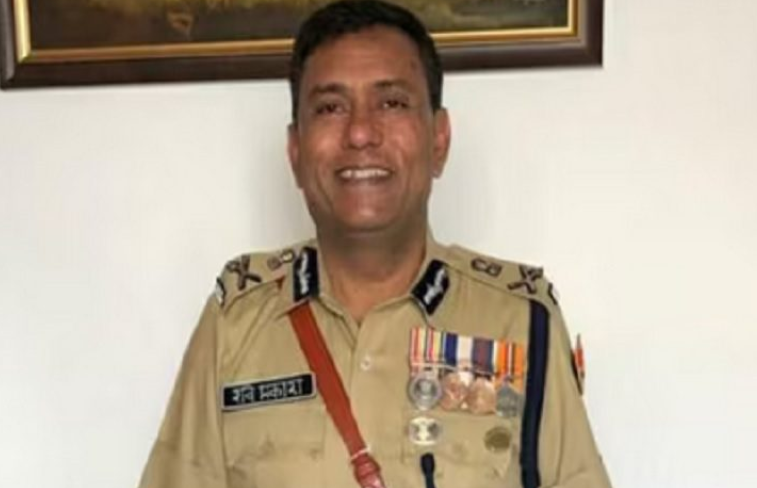
What began as a routine administrative shuffle has quickly evolved into a politically charged conversation in Rajasthan. The appointment of Ravi Prakash Meharda, a 1991-batch IPS officer, as the Acting Director General of Police (DGP) just weeks before his scheduled retirement on June 30 has drawn widespread attention—and calls for a tenure extension.
A Short Appointment With Broader Implications
Mr. Meharda assumed charge following the elevation of Utkal Ranjan Sahoo (1988 batch) as Chairman of the Rajasthan Public Service Commission (RPSC). Initially expected to hold office for just 20 days, his brief term has taken on symbolic importance—particularly for those advocating for increased Dalit representation in top government roles.
Support has poured in from Dalit organizations, retired IPS officers, political leaders, and civil society, who argue that the brevity of his appointment undermines its significance. What was perceived as a procedural formality has now placed the state government in a sensitive position—straddling the line between administrative convention and social equity.
Extension Campaign Gains Momentum
With his retirement date nearing, efforts to extend Mr. Meharda’s tenure have intensified. Petitions and public appeals have been directed toward Prime Minister Narendra Modi, Chief Minister Bhajan Lal Sharma, and BJP’s central leadership. Supporters contend that his appointment may have been politically calculated, aiming to garner Dalit support ahead of upcoming electoral and social challenges.
Interestingly, reports suggest Mr. Meharda was initially hesitant to accept the role due to the narrow window to effect change. Nonetheless, the government proceeded—signaling a decision that may carry deeper strategic meaning.
Navigating Procedure and Politics
The state has forwarded a list of seven senior IPS officers to the Centre for the permanent DGP position. The UPSC will shortlist three, and the state government will make the final selection.
Meanwhile, advocates are urging the government to invoke Rule 16 of the All India Services (Death-cum-Retirement Benefits) Rules, which permits a three-month extension with central approval. They argue this would not only allow administrative continuity but also honor community expectations for meaningful representation.
A Political Tightrope for the BJP
The ruling BJP now finds itself in a delicate position: weighing legal precedent and governance standards against the symbolic and social impact of its decision. With identity politics playing an increasingly prominent role in public discourse, any decision regarding Meharda’s tenure is bound to resonate far beyond the police department.
More Than a Bureaucratic Footnote
Mr. Meharda’s appointment has become emblematic of a broader conversation around representation, recognition, and institutional inclusion. Whether or not he receives an extension, the debate highlights the evolving expectations of governance in a diverse and aspirational India.