

Names 15 IAS–IPS Officers and Two Former Chief Ministers in a 672-Page Complaint to the Governor
Even as the country continues to react to the tragic death of Haryana IPS officer Y. Puran Kumar, another storm has erupted—this time in Rajasthan.
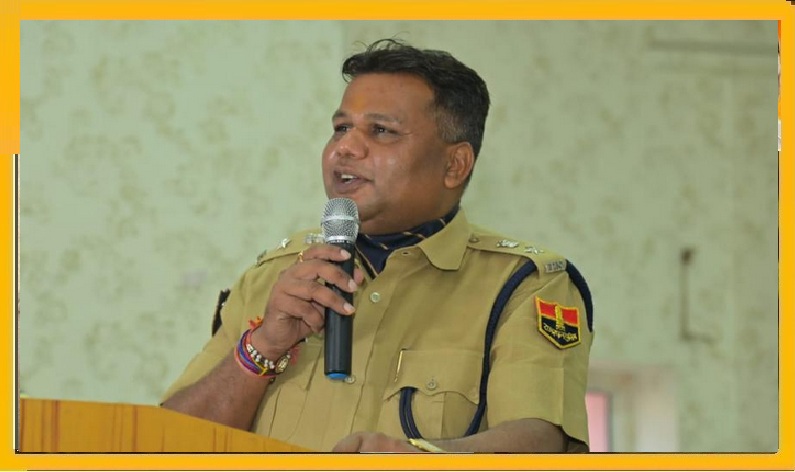
Pankaj Chaudhary, a 2009-batch IPS officer from the Rajasthan cadre, has written a 672-page letter to Governor Haribhau Bagde, accusing senior bureaucrats and political leaders, including two former Chief Ministers, of systematically sabotaging his career.
Claims of Long-Term Bureaucratic Conspiracy
In his detailed submission, Chaudhary alleges that for nearly seven years, he has been a target of institutional bias and professional harassment. According to him, a coordinated network of senior IAS and IPS officers deliberately blocked his promotions, tampered with his performance records, and damaged his credibility within the police force.
Despite obtaining multiple court rulings—including a 2018 order instructing the Rajasthan government to correct his Annual Confidential Report (ACR) and process his promotion—Chaudhary claims the directives were willfully ignored.
“I have been struggling against the system for years,” he stated. “Even clear judicial orders have been defied, and no authority seems willing to intervene.”
He further added that he had reached out to the Prime Minister’s Office and the Ministry of Home Affairs, but no substantial action has been taken so far.
Senior Officers and Political Leaders Named
The IPS officer’s letter directly implicates 15 senior IAS and IPS officials and two former Chief Ministers — Ashok Gehlot and Vasundhara Raje — alleging that they collectively worked to derail his professional progress.
Among those mentioned are Kapil Garg, Bhupendra Yadav, and Umesh Mishra, who Chaudhary claims played central roles in blocking his promotions and maligning his image.
Years of Legal Battles and Administrative Pushback
Chaudhary’s confrontation with the system has been marked by a series of legal and administrative challenges. At one point, he was even dismissed from service, a decision he later overturned through court intervention.
However, he alleges that the harassment continued even after reinstatement. The state’s failure to comply with the 2018 court order correcting his ACR, he says, demonstrates the deep-rooted bias and misuse of authority within Rajasthan’s bureaucracy.
Earlier Disputes and New Allegations
This is not Chaudhary’s first public confrontation with the state machinery. In February 2025, he accused four IAS officers of disregarding court directives and sought permission to initiate contempt proceedings against them.
He also objected to the promotion of IPS officer Rahul Barhat, who is allegedly linked to the controversial Anandpal encounter case, questioning the fairness and transparency of the police promotion process.
Political Reactions and Public Outcry
The release of Chaudhary’s 672-page complaint has sent shockwaves through Rajasthan’s administrative and political establishment. The charges have reignited debates over favoritism, caste and political bias, and the lack of accountability in India’s bureaucratic systems.
Observers say the involvement of two former Chief Ministers and several high-ranking officers lends significant weight to the allegations, placing both the state and central governments under pressure to respond.
What Happens Next?
All eyes are now on the Rajasthan government and the Governor’s office to see how they handle these sweeping allegations. Calls for a transparent, independent investigation are growing louder from various quarters.
Chaudhary’s case has also reignited broader concerns about institutional integrity, administrative justice, and the treatment of officers who challenge entrenched power structures within India’s governance framework.