

Haryana Government Appoints IAS Officer Sumedha Kataria as Woman Member of State Police Complaints Authority Amid Ongoing Legal Scrutiny
Retired Bureaucrat Inducted Following High Court Advocate’s Plea on Gender Representation
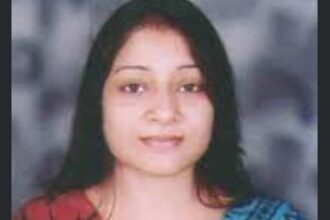
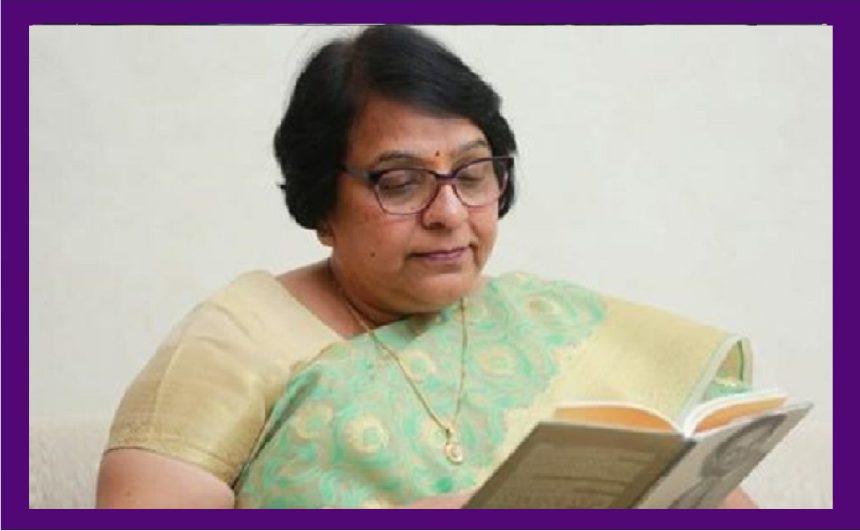
The Haryana government has appointed retired Indian Administrative Service (IAS) officer Sumedha Kataria (2005 batch) as the woman member of the State Police Complaints Authority for a fixed tenure of three years. The official order, signed by Additional Chief Secretary (Home) Dr. Sumita Mishra, was issued on September 17.
This decision addresses a major compliance gap that had drawn attention in recent weeks. Under Section 59(2)(c) of the Haryana Police Act, 2007, it is a statutory requirement that at least one member of the Authority must be a woman. The absence of such representation in the earlier composition of the body had prompted legal concerns.
Previous Appointments and Subsequent Representation
Earlier, on August 8, the state government appointed retired Indian Police Service (IPS) officer Dr. R.C. Mishra (1989 batch) as Chairperson of the Authority and retired IAS officer Lalit Siwach (2014 batch) as another member. Both officers formally assumed charge on August 11.
However, the appointments triggered legal representation from Hemant Kumar, an advocate at the Punjab and Haryana High Court and an expert in administrative law. In his petition dated August 28, Kumar underscored that the absence of a female member constituted a direct violation of the statutory mandate. He urged the government to rectify the breach immediately by appointing a qualified woman officer.
Concerns Over Appointment Terminology
Beyond gender representation, Kumar also questioned the wording of the appointment notifications. He argued that as per the Haryana Police Act, the orders should explicitly cite the Chief Minister as the appointing authority. Instead, the notifications mentioned the Governor of Haryana. According to Kumar, such deviation from the parent statute risks undermining the validity of the appointments. He emphasized the importance of strict adherence to legislative language to ensure the Authority’s decisions remain legally sound.
Context: Gender Representation in Police Complaints Bodies
The issue of gender balance in police complaints authorities has historical precedent. In April 2021, the Haryana State Police Complaints Authority was chaired by Navraj Sandhu, a retired IPS officer and a woman. At that time, the statutory requirement for an additional female member did not apply since the Chairperson herself fulfilled the mandate.
By comparison, the Union Territory of Chandigarh reconstituted its Police Complaints Authority in December 2024 with retired Justice Kuldeep Singh as Chairperson, alongside retired IAS officer Dhira Khandelwal and retired IPS officer Amarjot Singh Gill. This composition satisfied the gender representation clause, serving as an example of statutory compliance.
Legal Challenge to the Chairperson’s Appointment
While the government has now ensured compliance on gender representation, another serious legal challenge remains. The appointment of Dr. R.C. Mishra as Chairperson is already under judicial scrutiny. Petitioners have cited the Supreme Court’s landmark 2006 ruling in Prakash Singh vs Union of India, which clearly stipulates that state-level Police Complaints Authorities must be chaired by a retired High Court or Supreme Court judge, selected from a panel recommended by the Chief Justice of the High Court.
The ongoing case in the High Court has therefore cast a shadow on the legality of Dr. Mishra’s appointment and raises broader questions about adherence to Supreme Court directives.
Looking Ahead: Implications for Police Oversight
The appointment of Sumedha Kataria represents a corrective step by the Haryana government toward fulfilling gender representation norms in the Authority. Yet, the unfolding legal battles highlight the complexities of police reforms in India.
As litigation over the Authority’s composition progresses, issues of statutory compliance, judicial directives, and administrative accountability are expected to dominate Haryana’s discourse on police oversight. The state government’s handling of these matters will serve as an important test case for the effective implementation of police reforms across the country.