

Tamil Nadu DGP Mahesh Kumar Aggarwal Reviews Law and Order in Tiruchi, Directs Police to Strengthen Preventive Policing
Tamil Nadu Director General of Police and Head of Police Force Mahesh Kumar Aggarwal (IPS: 1994: TN) reviewed the law-and-order situation and crime-related issues in the Central Zone during his visit to Tiruchi on September 27.The review focused heavily on preventive policing, closer monitoring of history-sheeters, protection of vulnerable sections of society and the wider use of technology and police data in day-to-day law-and-order management.
The DGP’s visit brought together senior police officers from across the Central Zone for a detailed assessment of the policing situation. Rather than limiting the review to crime figures and pending cases, the discussions also covered preventive measures and the need for police stations to maintain sustained follow-up on offenders who have a history of criminal activity. The emphasis was on identifying potential trouble before it develops into a larger law-and-order issue.
Senior Police Officers Attend Central Zone Review Meeting
The review meeting was held at the Tiruchi District Police Office and was attended by senior officers representing different police formations in the Central Zone. Among those present were the Inspector General of Police, Central Zone, the Commissioner of Police, Tiruchi City, the Deputy Inspectors-General of Police of the Tiruchi and Thanjavur ranges, and the Superintendents of Police from districts falling under the zone.
The participation of senior officers from the city, ranges and districts provided an opportunity for the DGP to take a broader look at policing priorities across the region. Issues relating to crime control, preventive action, surveillance, investigation and public safety were examined during the meeting, with officers being asked to maintain close coordination and ensure that directions issued at the senior level are translated into regular action at the police-station level.
DGP Calls for Stronger Monitoring of History-Sheeters
One of the key areas highlighted by Mahesh Kumar Aggarwal was the need for intensified action against history-sheeters and habitual offenders. The DGP directed officers to closely monitor their activities, keep track of cases involving them and ensure that there is regular follow-up by the concerned police stations.
The direction reflects the preventive policing approach being emphasised by the Tamil Nadu Police. Instead of waiting for an offender to commit another crime before taking action, police officers are expected to maintain updated records, monitor developments and assess potential threats based on available information. Sustained police-station-level supervision was also stressed so that important developments do not go unnoticed.
The focus on history-sheeters is particularly significant from a law-and-order perspective because police records and previous cases can provide useful information when assessing emerging crime patterns. At the same time, effective monitoring requires officers to work with accurate records and ensure that police action remains connected to specific cases, credible information and established legal procedures.
Greater Attention to Women, Children and Senior Citizens
The DGP also directed police officers to strengthen measures concerning the safety and security of women, children and senior citizens. These groups can require quicker police response and more focused preventive measures, particularly in situations involving vulnerable individuals or recurring local security concerns.
The instructions place public safety at the centre of routine policing and underline the importance of police visibility, responsiveness and timely intervention. Officers were expected to pay close attention to complaints and emerging concerns involving vulnerable sections and ensure that preventive mechanisms are working effectively at the local level.
For district and city police units, such measures also involve coordination between police stations and senior officers so that complaints and intelligence relating to vulnerable groups can be acted upon without unnecessary delay. The broader objective is to make preventive policing a continuous exercise rather than a response triggered only after a serious incident occurs.
Police Data Centres Launched Across Central Zone
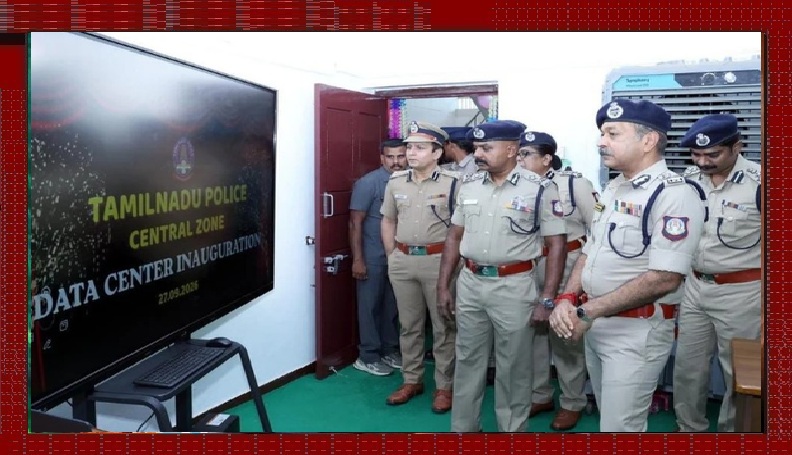
Technology and data-driven policing were another important part of the DGP’s Tiruchi visit. During the programme, Mahesh Kumar Aggarwal inaugurated a police data centre in Tiruchi and launched similar centres in other districts of the Central Zone through videoconferencing.
These data centres are designed to provide police personnel with access to important information and digital resources from a centralised system. The information available through the centres includes police-station records, criminal investigation-related details, vehicle information and various digital police services.
The availability of such information can help officers access relevant records more quickly while dealing with investigations and law-and-order situations. It can also make it easier to examine connections between cases, identify recurring patterns and develop a clearer understanding of criminal activity within a particular area.
Data-Based Policing to Support Crime Analysis
The increased use of police data is also expected to support more evidence-based decision-making. By examining available records, officers can identify emerging crime trends, study the activities of habitual offenders and look for possible links between different cases.
For example, information from different police stations can potentially help investigators establish whether similar incidents are connected or whether an individual or vehicle appears repeatedly in cases across different locations. Such analysis can provide useful leads for investigations while also helping senior officers determine where additional preventive policing may be required.