

World Nature Conservation Day 2026: Delhi Zoo Removes 230 kg Plastic Waste, Promotes Sustainable Living Through Awareness Campaigns
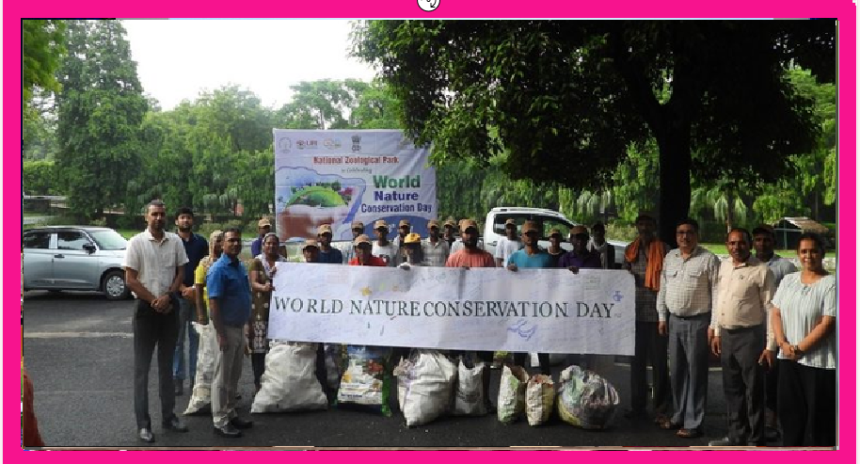
The National Zoological Park, popularly known as the Delhi Zoo, marked World Nature Conservation Day 2026 with a comprehensive series of environmental awareness programmes, clean-up campaigns and visitor engagement activities aimed at promoting biodiversity conservation and sustainable living. The day-long celebration, held on July 28, brought together zoo staff, sanitation workers and visitors in a collective effort to spread awareness about environmental protection while reinforcing the importance of responsible waste management.
The event was organised in line with the global observance of World Nature Conservation Day, which encourages individuals, communities and institutions to protect natural resources and conserve biodiversity for future generations. Through a combination of practical conservation efforts and educational initiatives, the Delhi Zoo sought to demonstrate how collective action can make a meaningful contribution to a cleaner and healthier environment.
Massive Plastic Clean-Up Drive Removes 230 kg of Waste
The centrepiece of the celebration was a large-scale plastic waste removal campaign conducted across the sprawling zoo premises. Around 35 sanitation workers participated in the drive, collecting approximately 230 kilograms of plastic waste from different parts of the National Zoological Park.
The waste collected included:
Plastic bottles
Plastic straws
Single-use plastic products
Other non-biodegradable plastic waste
Officials said the clean-up exercise was aimed not only at maintaining the ecological health of the zoo but also at sending a strong message about the harmful impact of plastic pollution on wildlife and the environment.
The initiative reflected the zoo’s continued commitment to maintaining a clean, green and plastic-free campus while encouraging environmentally responsible practices among visitors.
World Nature Conservation Day Theme Focused on Biodiversity
This year’s observance of World Nature Conservation Day emphasised the urgent need to conserve natural resources, protect biodiversity and encourage sustainable lifestyles. The Delhi Zoo aligned its activities with these objectives by combining practical conservation measures with public awareness programmes designed to educate visitors about their role in environmental protection.
Officials noted that safeguarding ecosystems requires active participation from every section of society and that even small behavioural changes can collectively produce significant environmental benefits.
Visitors Introduced to the LiFE Initiative
The celebrations began with an interactive awareness session introducing visitors to the LiFE (Lifestyle for Environment) initiative, a nationwide movement that promotes environmentally conscious lifestyles through simple, everyday actions. During the session, officials highlighted practical measures that individuals can adopt to reduce their environmental footprint.
Key topics discussed included:
Segregating waste at its source
Recycling and converting waste into useful products
Responsible disposal of waste to reduce pollution
Conserving natural resources through sustainable habits
Reducing dependence on single-use plastics
The awareness programme encouraged visitors to recognise that environmental conservation begins with individual responsibility and that small daily actions can contribute significantly to protecting ecosystems. Officials also explained how effective waste management helps reduce pollution, conserve resources and create healthier surroundings for both people and wildlife.
Creative Doodle Activity Engages Visitors of All Ages
To make environmental education more interactive, the National Zoological Park organised a doodle activity that invited visitors to express their ideas on nature conservation through art.
Participants from different age groups used drawings and creative illustrations to communicate messages centred on:
Biodiversity conservation
Protection of forests and wildlife
Sustainable living
Responsible use of natural resources
Environmental awareness
The activity encouraged children and adults alike to think creatively about ecological challenges while developing a stronger emotional connection with nature. Zoo officials said creative engagement often helps reinforce conservation messages more effectively, particularly among younger visitors.
Sanitation Workers Honoured for Their Contribution
The event concluded with a recognition ceremony during which participating sanitation workers and organising staff were felicitated for their efforts in making the clean-up campaign a success.
Prizes and souvenirs were distributed to acknowledge their contribution to maintaining the zoo’s cleanliness and supporting environmental conservation initiatives.
Zoo authorities appreciated the dedication shown by sanitation workers, whose efforts played a crucial role in removing plastic waste and preserving the ecological integrity of the premises.
Officials observed that environmental conservation depends not only on policy and awareness but also on the committed efforts of frontline workers who help maintain public spaces every day.
Delhi Zoo Strengthens Its Conservation Mission
The World Nature Conservation Day celebrations reflected the National Zoological Park’s broader commitment to environmental stewardship.
Beyond wildlife care and conservation, the zoo regularly organises educational programmes, awareness campaigns and public outreach activities to encourage environmentally responsible behaviour among visitors.
Initiatives such as plastic clean-up drives, awareness workshops and interactive learning programmes are intended to inspire citizens to participate actively in protecting biodiversity and reducing pollution.
Officials believe that such programmes play an important role in fostering environmental consciousness while encouraging sustainable practices that extend beyond the zoo premises.
Protecting Nature Through Collective Action
The celebration also served as a reminder that environmental protection cannot be achieved through government action alone. Conservation experts have consistently emphasised that safeguarding natural resources requires collaboration between public institutions, local communities and individual citizens.
By combining practical waste management initiatives with environmental education, the Delhi Zoo highlighted how collective participation can contribute to cleaner ecosystems, healthier wildlife habitats and more sustainable urban environments.
The successful removal of 230 kilograms of plastic waste during a single campaign illustrated both the scale of the plastic pollution challenge and the positive impact that organised community action can achieve.
About the National Zoological Park
The National Zoological Park, commonly known as the Delhi Zoo, is one of India’s premier zoological institutions. Located adjacent to the historic Purana Qila in New Delhi, the zoo is managed under the Ministry of Environment, Forest and Climate Change and functions as an important centre for wildlife conservation, animal welfare and environmental education.
Home to a diverse collection of indigenous and exotic animal species, the zoo plays a significant role in conservation breeding, wildlife awareness and biodiversity education. Alongside its conservation responsibilities, it regularly conducts educational programmes, nature awareness campaigns and public engagement activities aimed at encouraging sustainable living and fostering greater appreciation for India’s rich natural heritage.
Through initiatives such as the World Nature Conservation Day celebrations, the National Zoological Park continues to reinforce the message that protecting the environment is a shared responsibility and that every individual can contribute to building a cleaner, greener and more sustainable future.