

IAS Officer Rinkoo Singh Rahee Still Awaits Posting Weeks After Withdrawing Resignation, Raises Ethical Concerns Over ‘Salary Without Work’
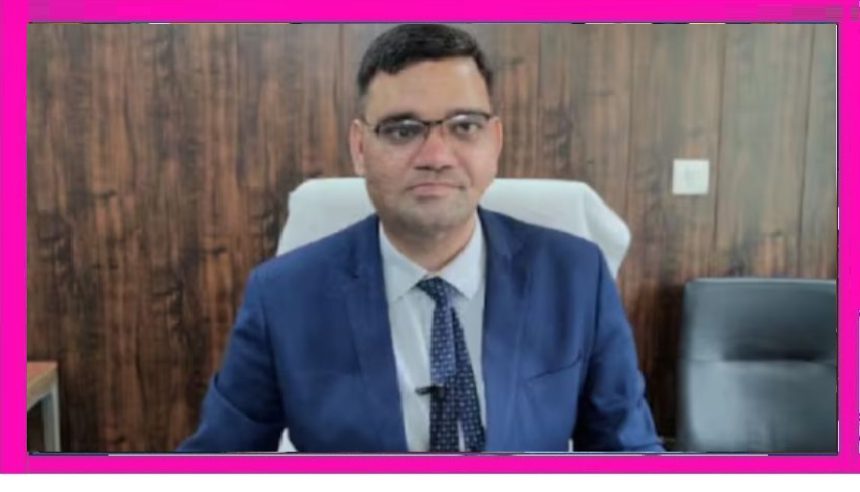
The administrative career of IAS officer Rinkoo Singh Rahee continues to remain in limbo, as the Uttar Pradesh cadre officer has yet to receive a formal posting nearly two weeks after withdrawing his resignation. The situation has sparked renewed debate over bureaucratic functioning and accountability, particularly as Rahee himself has voiced discomfort with the idea of drawing a government salary without being entrusted with meaningful responsibilities.
Rahee, a 2023-batch officer, had initially tendered his resignation on March 26, 2026, citing prolonged inactivity and lack of substantive work. Despite being formally attached to a department, he claimed he had not been given any significant role for several months. His frustration stemmed from what he described as “technical attachment without practical responsibility,” a condition that left him sidelined from active governance.
However, on April 20, 2026, Rahee withdrew his resignation, signaling his willingness to continue serving the system. Yet, the withdrawal has not translated into a posting, and as of May 3, he remains without a defined role. Currently, he is attached to the Revenue Council, where he has reportedly completed some minor assignments, but a full-fledged position is still pending.
Speaking to the media, Rahee expressed unease over the situation, remarking that receiving a salary without contributing meaningfully to public service does not align with his principles. “I just want work,” he stated, emphasizing that his priority is not the prestige of a particular post or location but the opportunity to serve wherever the government deems fit.
Timeline of Events
March 26, 2026: Resignation submitted.
April 20, 2026: Resignation withdrawn.
May 3, 2026: Still no posting after 13 days.
Attached to Revenue Council but without a defined role.
Has been receiving salary despite limited work for nearly nine months.
Rahee further revealed that while his resignation initially drew attention and prompted several calls from officials, communication dwindled after he withdrew it. The lack of clarity regarding his administrative status has only added to his frustration.
Past Challenges and Public Spotlight
This is not the first time Rahee has found himself at the center of controversy. In 2009, he exposed a major scam, an act of whistleblowing that nearly cost him his life when he was shot multiple times in a retaliatory attack. His resilience and survival earned him recognition as a courageous officer willing to confront corruption.
More recently, Rahee made headlines when a video surfaced showing him performing sit-ups during a lawyers’ protest in Shahjahanpur. The incident reportedly led to his attachment without further posting, once again raising questions about the treatment of officers who step outside conventional administrative boundaries.
Ethical Concerns and Broader Implications
Rahee’s case highlights a larger issue within the bureaucratic system — the phenomenon of officers being kept without substantive work while continuing to draw salaries. His insistence on accountability and meaningful engagement underscores the ethical dilemma of “salary without work,” a concern that resonates beyond his personal situation.
As the days pass without clarity on his posting, Rahee’s predicament continues to attract public attention, serving as a reminder of the need for transparency and efficiency in administrative processes. For now, the officer remains steadfast in his demand: not for recognition or privilege, but simply for the chance to serve.