

Centre Issues Fresh Appointment Order for ITS Officer Shobhendra Bahadur in MeitY; Senior 1994-Batch Officer Gets Key Administrative Responsibility
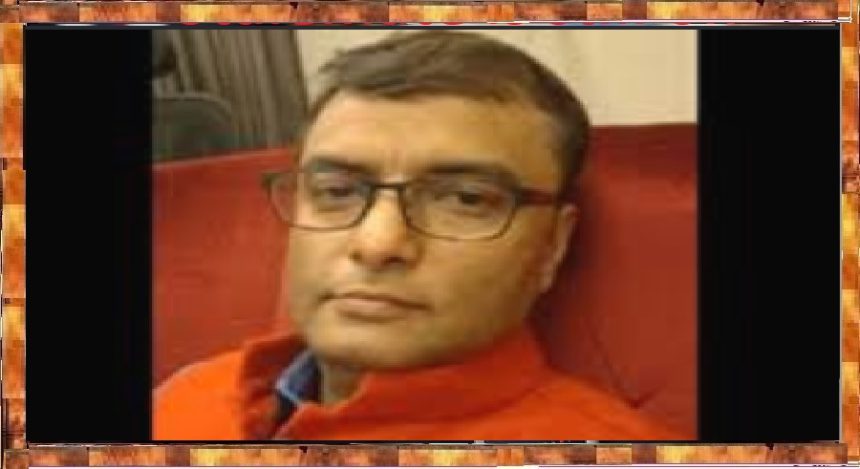
The Government of India has issued a fresh administrative order concerning senior Indian Telecom Service (ITS) officer Shobhendra Bahadur, a 1994-batch officer known for his long experience in telecommunications, digital governance, and technology administration. The latest development was reflected in a recent order issued by the Department of Personnel and Training (DoPT), further underlining the Centre’s ongoing efforts to strengthen leadership positions in strategically important technology and digital governance departments.
According to the official records available through the Establishment Officer Division of the DoPT, the order relating to Shobhendra Bahadur was issued on May 7, 2026. The order bears reference number “22/1/2020-EO(MM-I)” and pertains to an appointment connected with the Ministry of Electronics and Information Technology (MeitY), one of the Union Government’s most crucial ministries in the era of rapid digital transformation and expanding technological infrastructure.
Shobhendra Bahadur belongs to the Indian Telecom Service, one of the premier Group ‘A’ engineering services of the Government of India that plays a major role in policy implementation, telecom administration, digital infrastructure expansion, and communication technologies. Officers of the ITS cadre are often entrusted with important responsibilities in ministries dealing with telecommunications, electronics, cybersecurity, digital governance, and emerging technologies.
Over the years, Bahadur has built substantial administrative and technical experience through his association with various assignments linked to the Centre’s digital and technology ecosystem. Publicly available government documents indicate that he has earlier served in the Ministry of Electronics and Information Technology in senior capacities, including as Director. During his tenure in the ministry, he was associated with several governance and administrative initiatives connected to digital infrastructure and implementation-oriented government programmes.
Official records also show that he was linked with district-level governance and digital administration initiatives in Nagaland, reflecting his experience in handling assignments connected with technology-driven public administration in the Northeastern region.
Such roles are considered significant because they involve coordination between the Central Government, state administrations, and field-level implementation agencies in areas related to connectivity, digital access, and citizen-centric governance systems.
The latest order concerning Bahadur comes at a time when the Government of India is aggressively expanding its digital governance architecture under multiple flagship programmes involving digital public infrastructure, cybersecurity preparedness, telecom modernization, artificial intelligence adoption, semiconductor development, and e-governance expansion. Ministries such as MeitY have increasingly become central to policy execution in areas ranging from data governance and electronics manufacturing to digital inclusion and citizen services.
Senior officers from technical services such as ITS are playing a growing role in shaping India’s digital ecosystem, especially as the government continues to push for enhanced connectivity, indigenous technology development, and robust digital service delivery mechanisms across states and Union Territories.
While the detailed functional responsibilities linked to the latest order have not yet been elaborated publicly, the issuance of the fresh appointment-related notification signals the Centre’s continued reliance on experienced officers with strong technical and administrative backgrounds for key assignments in technology-oriented ministries.
The development has drawn attention within bureaucratic and administrative circles, particularly among officers associated with telecommunications, electronics governance, and digital policy implementation, given Bahadur’s long-standing experience in the sector and his association with important technology-linked administrative responsibilities over the years.