

ACC Extends IG-Rank Post of SPG Officer Umesh Chander Datta Till 2027, Ensuring Continuity in Prime Minister’s Security Framework
In a significant decision aimed at maintaining continuity within India’s highest security establishment, the Appointments Committee of the Cabinet (ACC) has approved the continuation of the upgraded Inspector General (IG)-level position currently held by senior IPS officer Umesh Chander Datta in the Special Protection Group (SPG).
The approval ensures that Datta will continue to serve against the upgraded IG-rank post for another year, extending the arrangement until May 21, 2027. The move underscores the government’s emphasis on stability and experienced leadership within one of the country’s most sensitive and strategically important security organizations.
The decision was conveyed through an official communication issued by the Office of the Secretary (Security) under the Cabinet Secretariat. According to the order, the post of Deputy Inspector General (DIG), classified under Level-13A of the government pay structure and presently occupied by Datta, will continue to remain upgraded to the level of Inspector General for an additional year.
The extension follows a formal proposal submitted by the Office of the Secretary (Security), which recommended continuation of the upgraded post in view of the nature and scope of responsibilities being handled within the SPG.
For those familiar with India’s security architecture, such decisions are more than routine administrative approvals. They reflect the government’s assessment of operational requirements, organizational priorities, and the need to ensure continuity in leadership positions that carry immense responsibility.
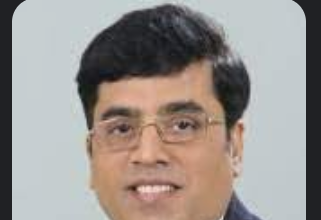
Umesh Chander Datta is a 2000-batch Indian Police Service officer from the Rajasthan cadre. Over the course of a career spanning more than two decades, he has served in a variety of policing, law-and-order, intelligence, and security-related assignments before taking up responsibilities within the SPG.
His latest extension comes at a time when security threats are becoming increasingly complex and technology-driven, requiring specialized expertise, institutional memory, and seamless coordination among multiple agencies. In such an environment, continuity in leadership can play a crucial role in maintaining operational effectiveness.
The Special Protection Group occupies a unique place within India’s security framework. Established specifically to provide proximate security to the Prime Minister, the SPG is regarded as one of the country’s most elite security organizations. The force is responsible for planning, coordinating, and executing highly sophisticated security arrangements involving domestic and international movements of the Prime Minister.
Unlike conventional policing organizations, the SPG operates in an environment where precision, anticipation, rapid response, and absolute discretion are critical. Officers serving in senior leadership roles within the organization are required to oversee a broad range of operational, logistical, technological, and intelligence-related functions.
Given these responsibilities, the upgradation of certain posts is often undertaken to ensure that rank structures appropriately reflect the level of authority, accountability, and operational oversight required for specific assignments.
Officials familiar with such administrative arrangements point out that post upgradation does not merely involve a change in designation. It often reflects the increasing complexity of responsibilities associated with a position. In highly specialized organizations such as the SPG, leadership roles frequently require extensive coordination with intelligence agencies, central security organizations, state police forces, and various government departments.
The continuation of Datta’s upgraded position is therefore being viewed as an effort to maintain consistency in decision-making and operational management within the organization.
Security experts often emphasize that institutions tasked with protecting national leaders benefit significantly from leadership stability. The work involves long-term planning, continuous threat assessment, personnel management, technology integration, and close coordination among multiple stakeholders. Frequent changes at key levels can sometimes disrupt established systems, whereas continuity helps preserve institutional knowledge and operational efficiency.
Datta’s extension is expected to support ongoing security management efforts within the SPG while ensuring that critical responsibilities remain under experienced supervision.
Over the years, officers from various IPS cadres have served in the SPG on deputation, bringing with them expertise gained from state policing, counter-terrorism operations, intelligence gathering, VIP security, and law-enforcement administration. Such officers often play a key role in strengthening the force’s capabilities through their diverse professional experiences.
For Datta, the latest ACC approval marks another important chapter in a distinguished public service career. Having already spent years handling demanding security assignments, he will now continue to operate at the Inspector General level within an organization that represents the highest standards of protective security in the country.
The decision also highlights the crucial role played by the Appointments Committee of the Cabinet in managing senior-level appointments and service matters across the Government of India. The ACC, which considers proposals relating to appointments, extensions, and tenure-related matters involving senior officers, routinely evaluates such requests based on administrative needs and organizational requirements.
In recent years, the government has increasingly focused on ensuring that specialized institutions retain experienced leadership where continuity is considered essential for operational effectiveness. Security organizations, intelligence agencies, and strategic establishments are among the sectors where such considerations frequently come into play.
The latest approval involving Umesh Chander Datta appears to be aligned with that broader approach. By extending the upgraded IG-rank position, the government has signaled the importance it places on stable leadership within the SPG’s command structure.
As security challenges continue to evolve, organizations like the SPG remain at the forefront of safeguarding India’s highest constitutional office. Their responsibilities extend far beyond visible security arrangements, encompassing advanced threat assessment, strategic planning, technological integration, and constant preparedness.
Against that backdrop, the continuation of experienced officers in key leadership positions assumes particular significance.
With the ACC’s approval now in place, Umesh Chander Datta will continue serving at the Inspector General level in the Special Protection Group until May 2027, providing continuity and leadership support to one of the most critical components of India’s national security apparatus.