

Mugdha Sinha Hosts IAS Assistant Secretaries at ITDC Headquarters, Highlights Tourism Governance, Innovation and Public Sector Leadership
In an initiative aimed at broadening the administrative horizons of India’s future civil servants, the India Tourism Development Corporation (ITDC) recently opened its doors to a group of IAS Assistant Secretaries, offering them a close look at the functioning of one of the country’s most prominent public sector enterprises in the tourism and hospitality space.
The visit, held at ITDC’s headquarters in New Delhi, formed part of the institutional attachment programme designed for young IAS officers. The programme seeks to provide hands-on exposure to organizations that operate beyond the traditional framework of district administration and government secretariats. Through such engagements, officers gain a deeper understanding of how public enterprises function, how policy translates into operations, and how governance mechanisms work in specialized sectors.
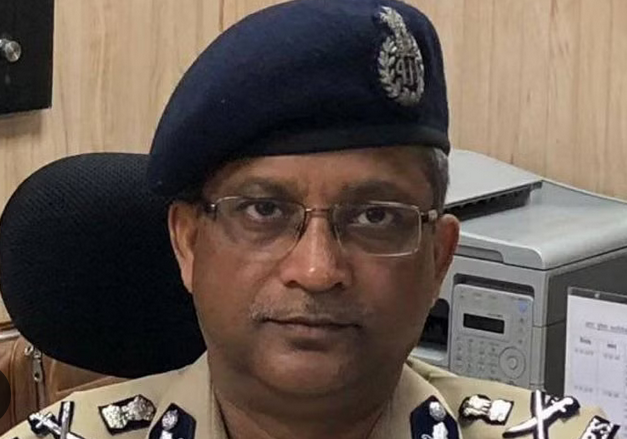
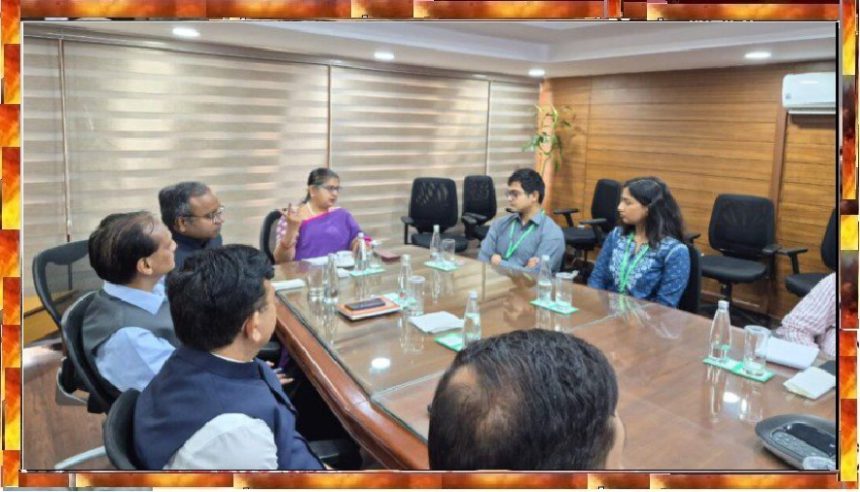
The interaction was led by IAS officer Mugdha Sinha, Managing Director of ITDC, who personally welcomed the visiting Assistant Secretaries and guided them through an extensive orientation programme focused on tourism governance, organizational management, innovation, and leadership in the public sector.
During the session, Sinha introduced the officers to ITDC’s evolving role in India’s tourism ecosystem. She spoke about the corporation’s journey over the decades, its contribution to the hospitality industry, and its efforts to support tourism development across different regions of the country. The discussion also explored the changing dynamics of the tourism sector and the need for public institutions to continuously adapt to emerging opportunities and challenges.
The orientation programme was attended by several senior officials from ITDC. Among those participating were the Chief Vigilance Officer, Director (Finance), Director (Commercial and Marketing), departmental heads, and other senior executives who offered detailed insights into the corporation’s operational and strategic functions.
For the visiting officers, the interaction served as much more than a routine institutional briefing. It provided a practical window into the complexities of managing a public sector enterprise operating in a highly competitive and rapidly evolving industry.
The Assistant Secretaries were introduced to ITDC’s diverse business portfolio, which extends well beyond hospitality services. Presentations during the programme covered the corporation’s involvement in tourism infrastructure development, destination promotion, commercial ventures, event management, consultancy services, and hospitality operations.
Senior executives explained how the organization balances commercial objectives with its broader mandate of supporting tourism growth and enhancing India’s image as a global travel destination. The officers were also briefed on how tourism-related projects are conceptualized, implemented, and monitored in collaboration with multiple stakeholders, including state governments, private enterprises, and various central government agencies.
A key highlight of the programme was the detailed discussion on ITDC’s ongoing transformation initiatives. Officials outlined the corporation’s efforts to modernize operations through technology-driven solutions, digital integration, customer-focused services, and innovative marketing approaches.
The visiting officers were given an overview of the corporation’s digital transformation journey, including the adoption of technology to improve operational efficiency, streamline services, and enhance customer experiences. Discussions touched upon the growing role of digital platforms in tourism promotion and the importance of data-driven decision-making in contemporary public sector management.
The interaction also delved into broader policy issues affecting India’s tourism sector. Senior ITDC officials shared perspectives on the economic significance of tourism and its contribution to national development. Tourism, they noted, remains one of the country’s most important service sectors, generating employment opportunities, supporting local businesses, stimulating regional economies, and contributing significantly to foreign exchange earnings.
The officers were encouraged to view tourism not merely as an industry but as a powerful engine of inclusive growth capable of creating opportunities across urban and rural regions alike. Discussions explored how strategic investments in tourism infrastructure can generate long-term economic benefits while also preserving cultural heritage and promoting sustainable development.
At the same time, participants engaged in conversations about the challenges facing the sector. These included changing consumer preferences, infrastructure gaps, global competition, sustainability concerns, and the need to continually upgrade tourism products and services to meet international standards.
The institutional attachment programme itself is part of a larger effort by the Government of India to prepare young IAS officers for leadership roles by exposing them to a wide range of governance environments. While district administration and policy implementation remain core aspects of an IAS officer’s career, exposure to public enterprises allows officers to understand the managerial, financial, and operational dimensions of governance.
Such programmes help bridge the gap between policymaking and execution by enabling officers to observe firsthand how large organizations function, make decisions, manage resources, and deliver services to citizens and stakeholders.
Addressing the visiting officers, Mugdha Sinha emphasized the value of continuous learning and cross-sector collaboration in public administration. She highlighted how interactions between government institutions and young civil servants create opportunities for exchanging ideas, sharing experiences, and developing innovative approaches to governance.
She noted that modern governance increasingly requires administrators to think beyond departmental boundaries and develop a holistic understanding of the interconnected systems that drive development. Institutions like ITDC, she observed, offer important lessons in leadership, stakeholder management, operational efficiency, and service delivery.
The Assistant Secretaries also had the opportunity to interact directly with members of ITDC’s senior leadership team. These discussions provided valuable insights into decision-making processes, organizational culture, performance management, and strategic planning within a public sector enterprise.
Participants explored topics ranging from financial sustainability and project management to risk assessment and customer engagement. The exchange allowed officers to gain practical perspectives that complement the theoretical and administrative training they receive through formal government programmes.
As the visit progressed, it evolved into an engaging dialogue rather than a one-way briefing. Officers posed questions, shared observations, and discussed emerging governance challenges with senior executives. The conversations reflected a common objective: understanding how institutions can become more responsive, innovative, and effective in serving public interests.
The programme concluded with an interactive exchange of ideas focused on leadership development, institutional partnerships, and collaborative governance. Both the visiting officers and ITDC leadership underscored the importance of creating platforms where future administrators can learn from experienced professionals working across different sectors.
The engagement also reinforced ITDC’s commitment to supporting capacity-building initiatives and contributing to the development of India’s future administrative leadership. By opening its doors to young civil servants, the corporation continues to play a role not only in tourism promotion but also in strengthening the broader governance ecosystem.
As India navigates increasingly complex developmental challenges, programmes such as these are becoming more important than ever. They help build a generation of administrators equipped with a broader perspective, stronger leadership capabilities, and a deeper understanding of how institutions across sectors contribute to nation-building.
For the IAS Assistant Secretaries who participated, the visit offered an invaluable opportunity to witness governance in action from a different vantage point—one where public service, business management, innovation, and national development intersect to create lasting impact.