

MP High Court Seeks Answers on Four Alleged Custodial Deaths in Chhatarpur; Notices Issued to DGP, SP and Police Officials
The Madhya Pradesh High Court has taken serious note of allegations surrounding four suspected custodial deaths in Chhatarpur district and has sought explanations from the state government and senior police authorities. The development comes after a Public Interest Litigation (PIL) raised concerns about the deaths of four individuals who were allegedly in police custody at different times over the past few months.
In a significant interim direction, the court has also ordered the preservation of CCTV footage from the police stations connected to the incidents, ensuring that potentially crucial evidence remains intact while the matter is under judicial scrutiny.
The case has drawn considerable attention because it raises important questions about custodial safety, police accountability, and the mechanisms available to investigate deaths occurring inside police establishments.
High Court Steps In
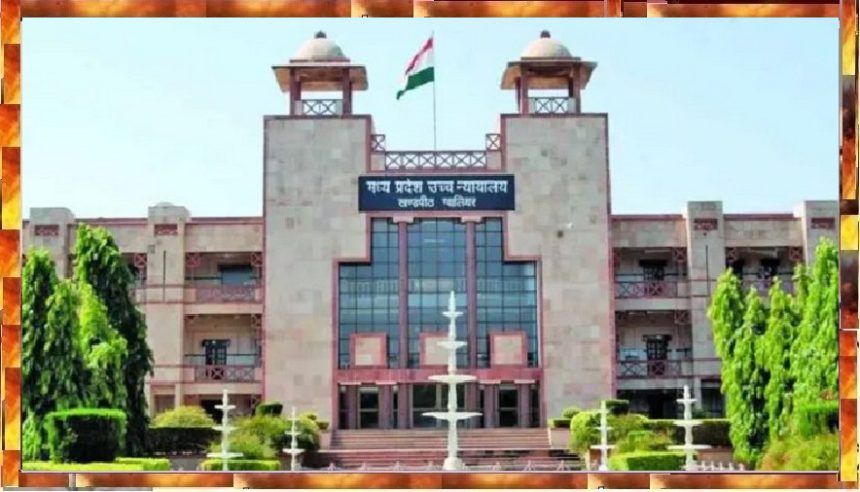
The matter came up before a division bench comprising Justice Vivek Jain and Justice Ajay Kumar Nirankari at the Madhya Pradesh High Court.
After hearing preliminary submissions, the bench issued notices to multiple authorities and directed them to submit detailed replies regarding the allegations made in the PIL.
The court’s intervention signals that it considers the issues raised in the petition serious enough to warrant closer examination.
While the High Court has not expressed any opinion on the merits of the allegations at this stage, it has sought comprehensive responses from the concerned authorities before proceeding further.
Notices Issued to Top Police Officials
The court has issued notices to several key officials and institutions connected with law enforcement and administration in the state.
Those asked to respond include:
Director General of Police (DGP), Madhya Pradesh
Inspector General of Police, Sagar Range
Superintendent of Police, Chhatarpur
Station House Officers (SHOs) of Rajnagar Police Station
Station House Officers (SHOs) of Chandla Police Station
Station House Officers (SHOs) of Gaurihar Police Station
State Government of Madhya Pradesh
The respondents have been directed to place their versions before the court and address the allegations made in the petition.
PIL Alleges Four Custodial Deaths
The Public Interest Litigation was filed by Peeyush Dixit, a social worker based in Khajuraho.
According to the petition, four individuals allegedly died while in police custody in Chhatarpur district over the last several months.
The petitioner has claimed that the deaths were not natural occurrences and has alleged that police torture may have been responsible for the fatalities.
The allegations have raised concerns about whether the deaths were properly investigated and whether all relevant evidence was preserved.
Given the seriousness of custodial death allegations, the PIL seeks judicial intervention to ensure an independent and transparent examination of the incidents.
Demand for CBI Investigation
One of the major prayers made in the petition is a request for an investigation by the Central Bureau of Investigation (CBI).
The petitioner has argued that an independent central agency should examine the circumstances surrounding the deaths to eliminate any doubts regarding the fairness of the investigation process.
Apart from seeking a CBI probe, the PIL also requests the court to direct authorities to register murder cases against police personnel allegedly involved in the incidents, if evidence supports such action.
The petitioner contends that independent scrutiny is necessary to maintain public confidence in the investigative process.
Preservation of Evidence Sought
The PIL places significant emphasis on preserving evidence that could help establish the facts of the case.
Among the key requests made before the court are:
Preservation of CCTV footage from the concerned police stations
Preservation of call detail records (CDRs) of the deceased individuals
Independent investigation into the deaths
Protection of material evidence connected to the incidents
According to the petitioner, preserving these records is critical to ensuring that the truth can be established through an impartial inquiry.
Evidence such as surveillance footage and communication records could potentially provide important insights into the sequence of events leading up to the deaths.
State Government Refers to Judicial Inquiries
Representing the state government, Deputy Advocate General Swapnil Ganguly informed the court that judicial inquiries had already been ordered in connection with two of the deaths mentioned in the PIL.
The state’s position indicates that legal procedures have already been initiated in at least some of the cases.
However, during the hearing, detailed information regarding the progress, findings, or status of those inquiries was not discussed at length.
The government maintained that appropriate mechanisms had been activated to examine the incidents.
The High Court is expected to review these aspects in greater detail during subsequent hearings.
Petitioner Challenges Police Explanation
A significant portion of the hearing focused on the explanations reportedly provided by police authorities regarding the deaths.
According to submissions made by the petitioner’s counsel, K.C. Childiyal, police records in the cases indicate that the deceased individuals either died by hanging themselves or consumed poison while in custody.
The petitioner has questioned these explanations and argued that they raise several unanswered questions.
According to the arguments presented before the court, police stations are highly monitored and secured environments where detainees remain under official supervision.
The petitioner contends that this raises important questions about how a person in custody could gain access to poisonous substances or materials allegedly used for suicide.
The PIL argues that these circumstances require a thorough and independent examination rather than acceptance of the official version without deeper scrutiny.
The petitioner maintains that only a comprehensive investigation can determine the actual sequence of events and establish accountability, if any wrongdoing is found.
High Court Orders CCTV Footage Preservation
One of the most important directions issued by the High Court during the hearing relates to the preservation of surveillance footage.
Recognising the evidentiary value of CCTV recordings, the bench instructed authorities to preserve footage from the police stations connected with the alleged custodial deaths.
This order is particularly significant because surveillance footage can often help establish timelines, identify movements of individuals, and verify claims made by different parties.
In cases involving allegations of custodial misconduct, CCTV evidence frequently becomes a central component of the investigative process.
By ordering immediate preservation, the court has sought to ensure that potentially relevant material is not lost, overwritten, or destroyed before the matter is fully examined.
Why Custodial Death Cases Draw Judicial Attention
Custodial deaths occupy a sensitive place in India’s criminal justice system because they involve individuals who are under the direct control and protection of state authorities.
Whenever such deaths occur, courts often examine whether established safeguards were followed and whether proper procedures were observed.
Questions commonly arise regarding:
Medical examinations
Monitoring of detainees
CCTV surveillance
Documentation of custody records
Compliance with arrest and detention guidelines
Independent inquiries into the circumstances of death
Because of the serious nature of such allegations, courts frequently insist on transparency and accountability during investigations.
The current case is likely to be examined within this broader framework of custodial safeguards and legal protections.
Next Hearing Scheduled for July
After issuing notices and directing preservation of CCTV footage, the High Court has fixed July 14 as the next date of hearing.
By that time, the respondents are expected to submit their replies addressing the allegations raised in the PIL.
The court is likely to review:
Responses from the police authorities
Status of existing judicial inquiries
Evidence preservation measures
The petitioner’s request for an independent probe
Other issues connected to the alleged custodial deaths
The proceedings could eventually determine whether the court considers the existing inquiries sufficient or whether a broader and more independent investigation is required.
A Case with Wider Implications
Beyond the four incidents mentioned in the petition, the case is likely to be watched closely because of its potential implications for custodial accountability and policing standards.
The High Court’s decision to seek explanations from top police officials and preserve surveillance footage indicates that it intends to carefully examine the allegations before arriving at any conclusions.
As the matter moves forward, attention will remain focused on the responses submitted by the state government and law enforcement authorities, as well as on the court’s assessment of whether the existing investigations adequately address the concerns raised in the PIL.
The next hearing in July is expected to provide greater clarity on the direction the case may take and whether further judicial intervention becomes necessary.