

Telangana Police Association Elections Finally Getting Back on Track — DGP C.V. Anand Steps In After Years of Delay, Orders Process to Begin Immediately
Something that should have happened years ago is finally getting a push. The elections of the Telangana Police Officers’ Association — long overdue, repeatedly delayed, and quietly gathering dust in the pile of pending administrative matters — have now caught the direct attention of the state’s top cop.
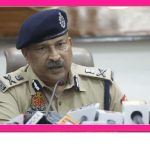
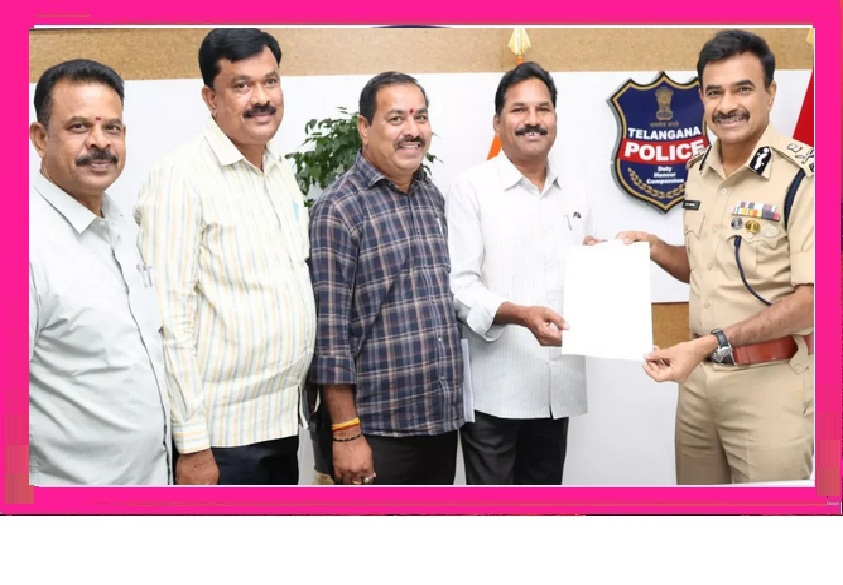
DGP C.V. Anand has directed officials to stop dragging their feet and get the election process moving. The instruction came after a delegation from the association walked into his office and essentially said — enough waiting, it’s time to act.
How It Got to This Point
The association’s state president Y. Gopi Reddy led the delegation that met the DGP to raise what has clearly been a long-simmering frustration. Their ask was straightforward — intervene, get the process started, and make sure it actually gets completed this time.
What’s kept the elections pending for so long? According to the delegation, a combination of administrative changes and technical challenges had piled up over the years, and the election process had simply never been properly revived after getting stalled. Each administrative churn brought fresh reasons to defer, and the association ended up functioning without a freshly elected representative body for far longer than anyone intended.
That’s not a small problem. An association that represents the welfare interests of police personnel across an entire state — grievances, professional concerns, service conditions — needs legitimate, democratically elected leadership to actually function with authority. A body that’s been running on old mandates or interim arrangements loses credibility over time, both with its own members and with the department it’s trying to engage.
What the DGP Said — and Why It Matters
DGP Anand didn’t just acknowledge the request and file it away. He gave a direct order — make the necessary arrangements, and do it without further delay.
But beyond the administrative instruction, what he said about why this matters is worth paying attention to. He specifically underlined that the association plays a crucial role in channelling welfare concerns, professional grievances and service-related issues from police personnel to department leadership. That’s a pointed acknowledgement — it’s the DGP himself saying that this association isn’t a formality, it’s a functioning welfare mechanism, and it needs to be in proper working order.
He also made the case for democratic legitimacy specifically. A strong, properly elected association improves communication between the rank-and-file and the department. It strengthens the institutional machinery for addressing grievances. It gives personnel a legitimate channel — which means fewer informal complaints, less resentment building up unaddressed, and better overall morale.
For a police force that deals with enormous operational stress, difficult working conditions and high public expectations, those things aren’t abstract. Officer welfare directly affects performance. A department that doesn’t hear its own people clearly tends to develop blind spots — and those show up in the field.
The Association’s Response
The delegation left the meeting considerably more optimistic than they walked in. Association representatives welcomed the DGP’s directive and expressed confidence that this time, the process would actually move forward.
They said the decision is expected to do three concrete things — bring police personnel back into active participation in welfare initiatives, improve transparency within the organisation’s functioning, and strengthen the overall institutional development of the association.
That last point is significant. Years of delayed elections tend to create informal power structures and ad-hoc decision-making within an organisation. Restoring proper democratic processes doesn’t just fill a formal requirement — it resets the internal culture and creates clear accountability for whoever takes on leadership roles.
What Comes Next
The DGP’s directive sets the wheels in motion, but the real test is execution. Administrative elections in large government service associations involve logistics — voter rolls, scheduling, coordination across districts, ensuring participation from personnel posted in different parts of the state. None of that happens overnight.
What’s changed is that there’s now a clear signal from the top that this is a priority. When the DGP personally instructs officials to make arrangements without further delay, the bureaucratic inertia that kept this pending for years loses its cover. There’s now accountability attached to getting it done.
For Telangana’s police personnel — officers spread across districts, dealing with daily law-and-order pressures and professional challenges — the prospect of having a properly elected, representative body advocating for their interests is more than just an organisational milestone. It’s a practical improvement in how their concerns get heard and acted upon.
Whether the process moves as quickly as the DGP’s directive implies, or whether it runs into the usual administrative friction, will become clear in the coming weeks. But at least it’s moving.