

Telangana Eyes Unified Food Safety & Drug Control Department as DGP C.V. Anand Pushes Integrated Crackdown on Food Adulteration and Narcotics
Telangana may soon establish a Unified Food Safety and Drug Control Department after DGP C.V. Anand proposed an integrated enforcement model to combat food adulteration, unsafe food practices and narcotics. Here’s everything about the proposal and the H-FAST initiative.
Telangana could soon witness a major overhaul in the way it tackles food adulteration, unsafe food practices and drug-related offences. The state government is actively considering the creation of a Unified Food Safety and Drug Control Department, an ambitious proposal that aims to bring multiple regulatory and enforcement functions under one roof.
The proposed department is designed to create a seamless system where enforcement agencies, legal experts, forensic laboratories and prosecution teams work in close coordination instead of functioning independently. Officials believe such an integrated framework would enable quicker investigations, stronger prosecutions and far more effective action against organised offenders.
The proposal comes at a time when concerns over food contamination, unhygienic food handling and narcotics have become increasingly prominent, particularly in Hyderabad. Authorities believe that existing institutional mechanisms need greater coordination to deal with these interconnected public safety challenges.
DGP C.V. Anand Calls for a Unified Enforcement Model
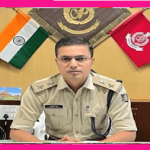
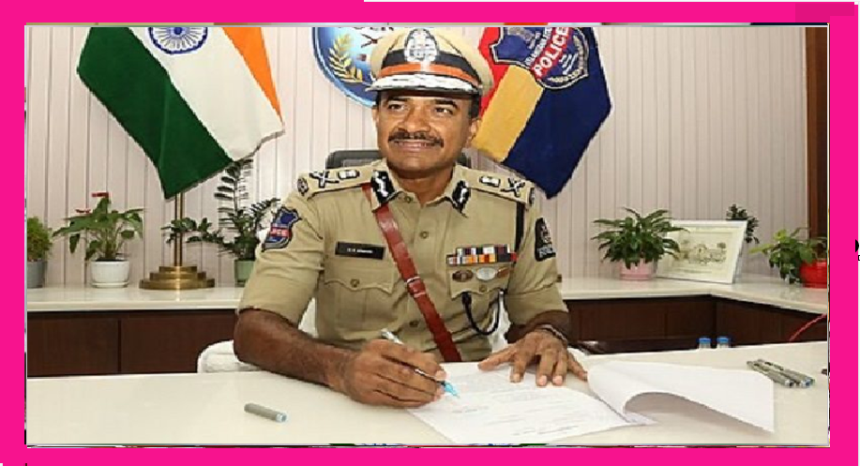
Speaking about the proposal, Telangana Director General of Police C.V. Anand said the envisioned department would operate under a single administrative leadership, allowing different wings to function in a coordinated manner rather than as separate entities.
According to him, enforcement teams, legal experts, forensic specialists and prosecution officials would work together within one organisational framework. Such an arrangement, he said, would eliminate delays, improve accountability and make investigations more efficient.
The DGP noted that the initiative is being driven by growing concerns over the increasing number of food adulteration cases, the health risks arising from unsafe food practices and the expanding challenge posed by narcotics.
Officials believe that a unified institutional structure would make enforcement far more effective than the current system, where responsibilities are divided across multiple departments.
Dedicated Enforcement Wing Planned
One of the most significant features of the proposal is the creation of a specialised enforcement wing exclusively dedicated to tackling food safety violations and drug-related offences.
DGP Anand suggested that the state could utilise trained personnel becoming available due to the ongoing restructuring and downsizing of elite police formations such as Greyhounds and OCTOPUS.
These experienced personnel could strengthen inspection teams, conduct intelligence-driven operations, investigate organised food adulteration networks and support action against narcotics-related crimes.
The idea is to build a professionally trained enforcement unit capable of carrying out swift inspections, collecting evidence, coordinating with forensic experts and ensuring that offenders are successfully prosecuted.
Officials believe this specialised force would significantly improve the state’s capacity to identify violations and dismantle organised criminal networks operating in these sectors.
H-FAST Model Becomes the Foundation
The proposal has gathered momentum largely because of the success of the Hyderabad Food Administration and Safety Task Force, popularly known as H-FAST.
Over the past several months, H-FAST has carried out extensive inspections across Hyderabad, exposing numerous instances of food adulteration, unhygienic kitchens, unsafe storage practices and violations of food safety regulations.
Its enforcement drives have resulted in action against several establishments where food products were allegedly being prepared or stored in conditions that posed risks to public health.
Officials say the inspections have revealed that food safety violations are far more widespread than initially believed.
The proposed Unified Food Safety and Drug Control Department is expected to build upon H-FAST’s operational experience while expanding similar enforcement mechanisms across Telangana.
Instead of remaining confined to Hyderabad, authorities want a statewide institutional framework capable of maintaining consistent standards throughout the state.
Bringing Multiple Functions Under One Roof
A central objective of the proposal is to eliminate fragmented enforcement.
At present, different agencies often handle inspections, laboratory testing, legal proceedings and prosecution independently. Officials believe that this separation can sometimes slow investigations and delay enforcement action.
The proposed department seeks to address this challenge by integrating multiple functions into a single administrative structure.
Among the areas expected to come together are:
Enforcement operations
Legal support
Forensic examination
Scientific testing of food and drug samples
Prosecution of offenders
Administrative coordination
Officials believe such an integrated system would significantly reduce procedural delays while improving the quality of investigations.
It is also expected to enhance coordination between field officers and laboratories, allowing quicker testing of suspected adulterated food products and faster legal action.
Stronger Action Against Food Adulteration
Food adulteration has emerged as one of the state’s major public health concerns.
Authorities have repeatedly detected instances involving contaminated ingredients, poor hygiene standards, unsafe storage methods and violations of prescribed food safety norms.
The proposed department intends to intensify surveillance across the food supply chain.
Officials expect stronger monitoring of manufacturing units, warehouses, restaurants, hotels and food distribution networks.
Regular inspections, technology-enabled monitoring and quicker laboratory analysis are likely to become key features of the new enforcement strategy.
The government believes that stronger regulatory oversight will improve compliance while discouraging repeat violations.
Linking Food Safety with the Fight Against Narcotics
Interestingly, the proposal treats food safety violations and narcotics as interconnected public safety issues requiring coordinated enforcement.
According to DGP Anand, both areas involve organised criminal activity, regulatory violations and risks to public health.
The proposed department is therefore expected to focus on:
Stronger enforcement against food adulteration.
Better monitoring of food manufacturing, storage and distribution.
Enhanced forensic testing facilities.
Faster legal action against offenders.
Coordinated action against narcotics-related offences.
Improved public health protection through stricter regulatory oversight.
Officials believe an integrated model will allow investigators to share intelligence more effectively while responding quickly to emerging threats.
Government Departments Already Holding Consultations
The proposal has moved beyond the conceptual stage.
According to DGP Anand, several rounds of discussions have already taken place among different government departments regarding the structure and functioning of the proposed organisation.
He described these consultations as constructive and indicated that there is broad recognition of the need for a stronger institutional mechanism.
Officials are currently examining administrative arrangements, staffing requirements and operational responsibilities before the proposal moves to the next stage.
While no formal announcement has yet been made regarding the final structure or implementation timeline, the ongoing consultations suggest that the initiative is receiving serious consideration.
Technology and Forensics to Play a Bigger Role
One of the defining features of the proposed department is its emphasis on technology-based enforcement.
Authorities want greater reliance on scientific evidence, digital monitoring and forensic examination to support investigations.
Faster laboratory testing, improved documentation and stronger digital coordination between enforcement agencies are expected to improve conviction rates while making investigations more transparent.
Officials believe technology-driven enforcement will also enable better surveillance of supply chains and help identify repeat offenders more efficiently.
A Significant Shift in Regulatory Governance
If approved, the Unified Food Safety and Drug Control Department would represent one of Telangana’s most significant administrative reforms in the areas of public health and regulatory enforcement.
Rather than relying on multiple departments working independently, the proposed framework seeks to establish a single institution capable of handling inspections, investigations, laboratory analysis, legal proceedings and prosecution through a coordinated approach.
The initiative also reflects the government’s growing emphasis on preventive regulation rather than reacting after violations occur.
With food adulteration, unsafe food practices and narcotics posing increasingly complex challenges, policymakers believe an integrated enforcement mechanism could substantially improve regulatory efficiency while enhancing public confidence.
As discussions continue, the proposed department is being viewed as a forward-looking initiative that could strengthen Telangana’s ability to protect public health, improve food safety standards and mount a more organised response to drug-related offences through a unified, technology-driven administrative framework.