West Bengal Extends Suspension of Three IPS Officers in RG Kar Case; CBI Launches Fresh SIT Probe into Alleged Investigation Lapses
The West Bengal government has extended the suspension of three senior Indian Police Service (IPS) officers by another 120 days in connection with alleged lapses in the investigation of the widely discussed RG Kar Medical College and Hospital rape-murder case. The move comes as the Central Bureau of Investigation (CBI) intensifies its scrutiny of the case through a newly constituted Special Investigation Team (SIT), tasked with conducting a fresh probe into the circumstances surrounding the crime and the subsequent handling of the investigation.
The extension of suspension is being viewed as a significant development in a case that shook the nation, triggered massive public protests, and raised serious questions about the functioning of law enforcement agencies during the initial stages of the investigation.
Suspension Extended for Another Four Months
According to government sources, the suspension of the three IPS officers has been prolonged by 120 days beyond the original period that began on May 15, 2026.
Officials indicated that the decision was taken to ensure that the ongoing departmental inquiry remains free from influence and proceeds without interference. The state government believes that allowing the disciplinary proceedings to continue independently is essential while parallel criminal investigations are underway.
The officers whose suspensions have been extended are:
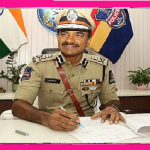
Vineet Kumar Goyal, former Commissioner of Police, Kolkata.
Abhishek Gupta, former Deputy Commissioner of Police, North Division.
Indira Mukherjee, former Deputy Commissioner of Police, Central Division.
All three officers are facing allegations relating to dereliction of duty and procedural shortcomings in connection with the investigation into the rape and murder of a young doctor at RG Kar Medical College and Hospital.
Why the Suspension Matters
The government’s decision reflects the seriousness with which the matter is now being treated.
Officials familiar with the proceedings said the extension is intended to prevent any possibility of influence over witnesses, records or departmental processes while inquiries continue.
The disciplinary proceedings are examining whether there were failures in supervision, investigation management and response mechanisms during the handling of one of the most sensitive criminal cases in recent years.
While suspension does not imply guilt, it allows authorities to conduct inquiries without concerns about administrative interference.
CBI Constitutes Fresh Special Investigation Team
Alongside the departmental action, the Central Bureau of Investigation has stepped up its efforts by constituting a fresh Special Investigation Team to re-examine various aspects of the case.
The newly formed SIT is expected to revisit key developments, assess the original investigative process and determine whether procedural lapses affected the course of the inquiry.
Sources familiar with the development said the team has already begun gathering information and reviewing evidence connected to the case.
As part of the renewed investigation, the CBI reportedly questioned former Deputy Commissioners Abhishek Gupta and Indira Mukherjee and recorded their statements during the previous month.
Investigators are understood to be examining:
The sequence of events immediately after the crime.
The response of the Kolkata Police.
Handling of evidence and witnesses.
Decisions taken during the initial stages of the investigation.
Alleged procedural irregularities.
Administrative accountability of senior officers.
The fresh probe is expected to continue over the coming months.
A Crime That Sparked Nationwide Anger
The case traces its origins to August 9, 2024, when the body of a young woman doctor was discovered within the premises of RG Kar Medical College and Hospital in Kolkata.
The shocking nature of the crime generated outrage across West Bengal and rapidly became a national issue.
Medical professionals, students, women’s groups, civil society organisations and citizens from various parts of the country took to the streets demanding justice.
Doctors’ associations organised demonstrations, hospitals witnessed symbolic protests and social media campaigns amplified calls for accountability.
The incident soon evolved into one of the most intensely debated criminal cases in recent memory.
Public concern was not limited to the crime itself. Questions also began emerging about the manner in which the investigation was conducted during its early stages.
Scrutiny of Kolkata Police Handling
As public anger intensified, attention increasingly shifted toward the actions of the Kolkata Police.
Critics alleged that there were shortcomings in the handling of the investigation and demanded accountability from senior officers.
Former Kolkata Police Commissioner Vineet Kumar Goyal became a focal point of criticism, with protest groups questioning the overall management of the case.
Abhishek Gupta, who was serving as Deputy Commissioner of Police (North Division), also faced scrutiny regarding investigative decisions taken during the early phase of the inquiry.
Indira Mukherjee, then Deputy Commissioner of Police (Central Division), came under public criticism after participating in media briefings connected to the case. Critics accused her of presenting information that allegedly created confusion regarding certain aspects of the investigation.
As protests gathered momentum, demands for administrative action grew louder.
Administrative Changes Amid Public Pressure
The controversy eventually led to significant changes within the police administration.
Facing sustained public pressure and political scrutiny, the then state government headed by Chief Minister Mamata Banerjee transferred Vineet Kumar Goyal and Abhishek Gupta from their positions.
At that stage, however, Indira Mukherjee continued in her role as Deputy Commissioner of Police (Central Division).
The transfers were viewed as an attempt to address growing concerns while investigations continued.
Yet public debate surrounding the case did not subside, and demands for a deeper examination of the handling of the investigation persisted.
Reopening of the Matter and Departmental Proceedings
A fresh chapter in the case began after the files were revisited by the subsequent state administration.
On May 15, 2026, Chief Minister Suvendu Adhikari ordered the suspension of the three IPS officers and directed that departmental proceedings be initiated.
The government’s position was that accountability needed to be established independently of the criminal investigation.
Officials argued that disciplinary proceedings would help determine whether any administrative or procedural failures occurred during the investigation.
The suspension order was presented as a precautionary measure designed to facilitate an unbiased inquiry.
Parallel Investigations Underway
At present, two separate processes are moving forward simultaneously.
The first is the departmental inquiry initiated by the state government, which seeks to determine whether there were professional lapses or violations of administrative procedures.
The second is the CBI investigation, which is focused on criminal and investigative aspects of the case.
Officials say both processes are independent but may ultimately contribute to a broader understanding of what transpired during the original investigation.
The findings of the departmental inquiry could influence future administrative decisions, while the conclusions reached by the CBI may have wider legal implications.
Case Remains Under Intense Public Watch
Nearly two years after the crime first shocked the nation, the RG Kar case continues to remain under intense public scrutiny.
The formation of a fresh SIT and the extension of suspension for the three senior IPS officers indicate that authorities are still examining unanswered questions surrounding the investigation.
For many observers, the case has become a larger test of institutional accountability, investigative transparency and public trust in law enforcement agencies.
As both the departmental proceedings and the CBI’s renewed investigation progress, attention will remain focused on what the inquiries reveal and whether they succeed in addressing concerns that have persisted since the crime first came to light.
With the suspension now extended for another four months and the CBI expanding its probe, the next phase of the case is expected to play a crucial role in determining administrative accountability and clarifying the circumstances surrounding one of India’s most closely watched criminal investigations.