

Shah Faesal’s Central Deputation Extended Till 2028; ACC Approves Two-Year Extension as Deputy Secretary in Ministry of Culture
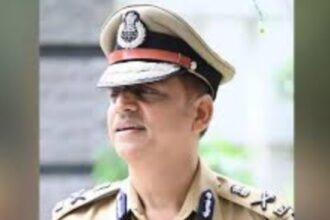
The Central Government has approved a two-year extension of the central deputation tenure of IAS officer Shah Faesal, allowing him to continue serving as Deputy Secretary in the Ministry of Culture until September 18, 2028. The decision was cleared by the Appointments Committee of the Cabinet (ACC), which accepted a proposal sent by the Ministry of Culture, ensuring continuity in one of the Union Government’s key administrative positions.
The approval means the 2010-batch IAS officer of the AGMUT cadre will remain on central deputation for two more years under the Central Staffing Scheme. His original tenure was scheduled to end on September 18, 2026, but the latest order extends his assignment until September 18, 2028, or until further orders, whichever comes earlier.
The move is significant on multiple counts. It not only keeps an experienced officer in an important ministry handling several nationally significant projects, but it also adds another chapter to the remarkable career of an officer whose journey has ranged from becoming India’s first Kashmiri UPSC topper to leaving the civil services, entering politics, and eventually returning to the bureaucracy.
ACC gives formal approval for extension beyond 2026
The extension was formalised through an Office Memorandum issued by the Department of Personnel and Training (DoPT) on August 19, 2026. According to the official order, the ACC approved the Ministry of Culture’s proposal to retain Shah Faesal in his present post for another two years under the Central Staffing Scheme.
This decision means there will be no interruption in his current assignment. Instead of initiating a fresh appointment process, the government has chosen to retain an officer who is already familiar with the ministry’s functioning, ongoing programmes, and institutional priorities.
Such extensions are generally granted after considering departmental requirements, ongoing policy responsibilities, and the need for continuity in senior administrative positions. Ministries handling long-term projects often prefer experienced officers who can provide stability while major initiatives continue.
Continuing as Deputy Secretary in the Ministry of Culture
Shah Faesal has been serving as Deputy Secretary in the Ministry of Culture since September 18, 2022, when he joined the Union Government on central deputation. His original appointment was for a four-year tenure, making September 2026 the scheduled end of his assignment before the latest extension.
The new order allows him to continue in the same position seamlessly. There is no requirement for a fresh selection or appointment process, which means the ministry retains an officer already integrated into its administrative framework.
As Deputy Secretary, Faesal forms part of the ministry’s senior leadership structure. Officers at this level oversee policy implementation, coordinate work across divisions, supervise administrative functions, and ensure that government programmes move forward efficiently.
The role also involves regular interaction with state governments, autonomous cultural institutions, and other Union ministries, making it an important coordination post within the central administration.
A ministry with growing national responsibilities
The timing of the extension comes as the Ministry of Culture continues to handle an expanding portfolio of responsibilities that stretches well beyond museums and historical monuments.
In recent years, the ministry has been at the centre of initiatives involving heritage conservation, archaeological preservation, museum modernisation, digitisation of historical records, promotion of traditional art forms, and cultural diplomacy on the international stage.
Its work involves coordination with some of India’s most prominent cultural institutions, including the Archaeological Survey of India (ASI), the National Museum, the National Archives of India, and numerous autonomous organisations working across literature, performing arts, archaeology, and heritage management.
Senior officers like Faesal play an important role in ensuring these projects remain administratively coordinated while multiple stakeholders work together across states and central agencies.
First major central posting after returning to the IAS
The current assignment carries added significance because it became Shah Faesal’s first central government posting after his reinstatement into the Indian Administrative Service.
In April 2022, the Centre allowed him to withdraw his resignation from the IAS and restored him to service after a period away from the bureaucracy. His appointment to the Ministry of Culture followed just months later, marking his formal return to government administration.
The latest extension sends a clear administrative signal that the government intends to continue relying on his experience as the ministry carries forward several long-term cultural initiatives already underway.
The officer who made UPSC history
Few IAS officers have attracted as much public attention as Shah Faesal. His name became nationally recognised in 2010, when he secured All India Rank 1 in the Civil Services Examination conducted by the Union Public Service Commission.
That achievement made him the first Kashmiri to top the UPSC examination, an accomplishment that earned widespread appreciation across the country and inspired thousands of civil services aspirants, particularly from Jammu and Kashmir.
His success carried symbolic importance at the time. It demonstrated that candidates from conflict-affected regions could compete at the highest level in one of India’s toughest examinations.
Long before entering public administration, Faesal had already built an impressive academic record. He studied medicine at the Sher-i-Kashmir Institute of Medical Sciences (SKIMS) and qualified as a doctor before choosing the civil services over a medical career. That unusual combination of medical training and administrative leadership made him one of the most recognisable young officers of his generation.
Early administrative career in Jammu and Kashmir
During his initial years in the IAS, Faesal handled several important assignments in Jammu and Kashmir that exposed him to governance challenges across different sectors.
One of his notable postings was as Deputy Commissioner of Bandipora, where he oversaw district administration, public service delivery, and development programmes at the grassroots level. He later served as Director of School Education, Kashmir, a role that placed him at the centre of educational administration and policy implementation across the region.
Another significant assignment came as Managing Director of the Jammu and Kashmir State Power Development Corporation, where he gained experience in infrastructure management and public sector administration. These roles helped establish his reputation as a capable administrator well before his later political decisions placed him in the national spotlight.
A rare transition from bureaucracy to politics
Faesal’s career took an unexpected turn in January 2019, when he announced his resignation from the IAS, citing concerns over developments in Kashmir and broader national issues.
His decision immediately became one of the country’s biggest bureaucratic stories because resignations from serving IAS officers, particularly officers of his profile, are relatively rare.
Soon after, he entered active politics and launched the Jammu and Kashmir People’s Movement (JKPM), becoming one of the few former IAS officers to make such a direct transition into political life. The move generated extensive debate nationwide, with many viewing it as an unusual shift from administrative service to electoral politics.
Return to government service
The next major turning point arrived in 2022, when Faesal sought permission to withdraw his resignation from the IAS. The Centre accepted his request and reinstated him into the civil services, allowing him to resume his administrative career after nearly three years away from the bureaucracy.
His appointment as Deputy Secretary in the Ministry of Culture became the first major assignment following that reinstatement. The latest ACC approval now extends that chapter of his career until 2028, reinforcing his continued presence in the Union Government’s administrative framework.
How the Central Staffing Scheme operates
Faesal’s extension has been approved under the Central Staffing Scheme, which serves as the Union Government’s principal mechanism for bringing officers from different services and cadres into ministries and departments at the Centre.
Under this system, IAS officers and officers from other central services are deputed to the Government of India for fixed tenures, typically ranging between four and five years depending on the level of appointment.
Any extension beyond the original tenure requires approval from the competent authority. In many senior appointments, the Appointments Committee of the Cabinet serves as the final approving body before such extensions become effective.
The arrangement allows ministries to retain experienced officers when continuity is considered valuable for achieving long-term governance objectives.
Extension ensures stability in senior leadership
The latest ACC decision reflects the government’s broader administrative approach of maintaining stability in important leadership positions where experienced officers are already handling critical responsibilities.
Instead of replacing an officer midway through ongoing institutional initiatives, the extension allows Shah Faesal to continue contributing without disruption. That continuity becomes particularly relevant in a ministry responsible for projects that often span several years, involve multiple institutions, and require sustained coordination across different levels of government.
With his central deputation now extended until September 18, 2028, the AGMUT cadre IAS officer will remain part of the Ministry of Culture’s senior administrative leadership, continuing to support the implementation of heritage conservation, museum development, cultural diplomacy, and institutional initiatives that remain central to India’s evolving cultural landscape.