

ECI Launches ELC 2.0 in Lucknow; CEC Gyanesh Kumar Calls Students the Future of Indian Democracy
The Election Commission of India launched ELC 2.0 and highlighted ECINET in Lucknow, with CEC Gyanesh Kumar stressing electoral literacy, informed participation and the role of students in strengthening democracy.
The Election Commission of India has stepped up its efforts to connect young Indians with the country’s electoral system with the launch of its second regional conference on Electoral Literacy Clubs 2.0 and ECINET in Lucknow. The initiative places students, teachers and young voters at the centre of a broader campaign aimed at improving awareness about elections and encouraging informed participation in the democratic process.
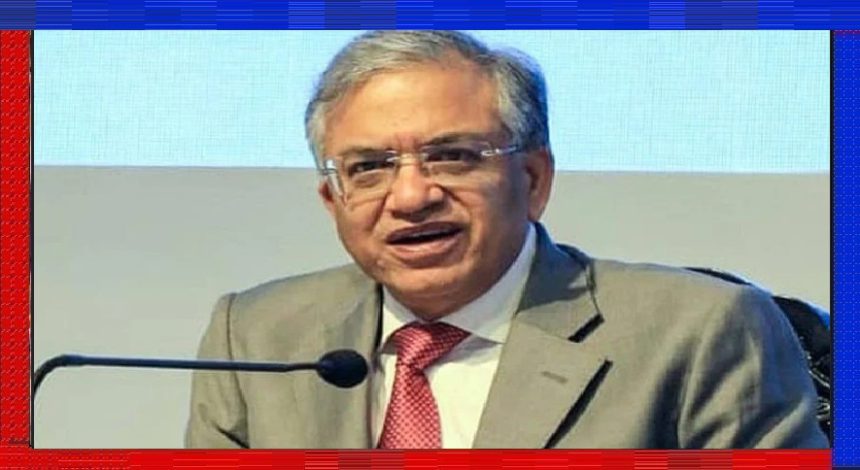
Chief Election Commissioner Gyanesh Kumar addressed students and teachers from schools and colleges across Uttar Pradesh during the conference and described young citizens as the future of the nation. He stressed that students need to understand not only how elections are conducted but also the democratic institutions, constitutional framework and electoral processes that form the foundation of India’s democracy.
Gyanesh Kumar Highlights the Importance of Electoral Literacy
CEC Gyanesh Kumar, a 1988-batch IAS officer of the Kerala cadre, underlined the importance of giving young citizens a clear and factual understanding of India’s electoral system. He said Electoral Literacy Clubs can play an important role in carrying knowledge about elections to the next generation and in deepening public understanding of democratic processes.
The Chief Election Commissioner pointed out that elections in India are conducted according to the Constitution, applicable laws and instructions issued by the Election Commission of India. He also highlighted the transparent nature of the electoral process, noting that political parties, candidates and their representatives get opportunities to observe and audit different stages of an election.
Young Voters Need to Understand the Entire Election Process
The ECI’s focus on students is particularly significant because a large number of young people enter the electoral system as first-time voters every year. For many of them, their first interaction with an election may simply be casting a vote, but the Commission wants electoral literacy to go much deeper than that.
Students participating through Electoral Literacy Clubs will be encouraged to understand the complete journey of an election. This includes voter registration, polling, counting and the functioning of the Election Commission itself. The broader objective is to ensure that young voters are not just eligible to participate but are also aware of their rights, responsibilities and the importance of making informed choices.
‘Learn Democracy. Lead Democracy.’ Is the ELC 2.0 Mantra
The revamped Electoral Literacy Clubs initiative carries the tagline “Learn Democracy. Lead Democracy.” The message captures the Commission’s larger objective of turning electoral awareness into an ongoing learning experience rather than something that receives attention only when elections are around the corner.
Under ELC 2.0, schools, colleges and universities are expected to become active centres of electoral education. Students can learn through structured activities, discussions and practical experiences, helping them understand how democratic institutions function and why informed participation matters.
The initiative also aims to take electoral awareness beyond the classroom. Students can become a bridge between educational institutions, families and local communities, allowing information about elections and democratic participation to reach a much wider audience.
ELC 2.0 Gets a Digital Push Through ECINET
Technology is another major component of the revamped programme. The ECI plans to use its ECINET digital platform to create a more organised and accessible network of Electoral Literacy Clubs across the country.
A dedicated ELC portal on ECINET is envisaged as the digital backbone of this network. Through the platform, educational institutions and Electoral Literacy Clubs will be able to access and share information relating to different aspects of the electoral process.
The digital initiative is expected to make electoral education more consistent and easier to access. Information about electoral registration, polling and counting can be disseminated through the network, while students can also be introduced to the ECINET App and other important initiatives of the Election Commission.
A Massive Educational Network Could Give ELC 2.0 Huge Reach
The scale of India’s education system gives the initiative an unusually large potential audience. According to the figures highlighted by the ECI, the country has around 15 lakh schools with nearly 25 crore students and more than one crore teachers.
The higher education sector is equally vast, with around 1,500 universities and nearly 70,000 educational institutions accounting for an estimated enrolment of about 4.33 crore students. Connecting even a portion of this enormous network with electoral literacy programmes could significantly expand awareness among young citizens.
The Commission wants ELC 2.0 to use this institutional reach to promote factual and experiential learning about elections. It also hopes that students who gain a better understanding of the electoral system will go on to encourage informed democratic participation among their families, friends and communities.
Building Trust Through Better Understanding
For the Election Commission, electoral literacy is not simply about explaining voting procedures. It is also about building confidence among citizens by helping them understand how the electoral system works and why its different stages matter.
Gyanesh Kumar emphasised that creating trust among young citizens and encouraging them to participate in elections with adequate knowledge should be viewed as an investment in the future of democracy. The idea is to ensure that young voters approach the electoral process with awareness rather than relying on misinformation or incomplete understanding.
ELC 2.0 is therefore designed to bring electoral education into the regular academic environment. Instead of limiting such programmes to election seasons, the initiative seeks to create year-round engagement with democratic institutions and electoral processes.
CEC Gyanesh Kumar Visits His Alma Mater in Lucknow
The Lucknow visit also had a personal connection for the Chief Election Commissioner. Earlier in the day, Gyanesh Kumar visited Colvin Taluqdars’ College, his alma mater, where he interacted with students and teachers.
His interaction with the institution’s students formed part of his wider visit to Uttar Pradesh and came against the backdrop of the ECI’s focus on expanding electoral literacy among young people. The visit also provided an opportunity to engage directly with students on the importance of democracy and participation.
The regional conference itself brought together students and teachers from educational institutions across Uttar Pradesh. Discussions centred on ways in which schools and colleges can contribute to stronger electoral awareness at the grassroots level.
CEC to Interact With Uttar Pradesh Booth Level Officers
Gyanesh Kumar’s Uttar Pradesh visit will continue with an interaction with Booth Level Officers, or BLOs, on the second day. BLOs are among the election machinery’s key field-level functionaries and have an important role in connecting the electoral administration with voters on the ground.
The interaction is expected to focus on the practical responsibilities of election officials and the need to make the electoral process accessible and understandable to citizens. It also provides an opportunity to discuss the importance of effective voter outreach and grassroots-level electoral administration.
ECI Wants Electoral Literacy to Become a Year-Round Exercise
The larger vision behind ELC 2.0 is to make electoral literacy a continuing educational activity rather than a campaign that becomes active only during elections. By bringing students and teachers into a structured network, the Election Commission hopes to create a generation that understands the democratic process before becoming regular participants in it.
The initiative also gives educational institutions a more active role in strengthening democratic awareness. Students can learn about voter registration, polling, counting and the institutional framework surrounding elections while gaining practical exposure to the responsibilities of citizenship.
With India’s enormous population of students and teachers, the ECI sees educational institutions as a powerful channel for spreading electoral awareness. If the ELC 2.0 network develops as planned, it could help connect millions of young Indians with accurate information about elections and democratic participation.
The Lucknow conference has thus put the spotlight on a simple but important idea: democracy works best when citizens understand the system in which they participate. By focusing on students and first-time voters, the Election Commission is looking to build that understanding early and turn young citizens into informed participants and, eventually, ambassadors of democratic awareness across their communities.