

Maharashtra FDA Chief Tukaram Mundhe Calls for Stronger Food Safety Rules, Online Food Sector Regulation
Maharashtra Food and Drugs Commissioner Tukaram Mundhe, a 2005-batch IAS officer of the Maharashtra cadre, has called for a stronger and more adaptable food safety system as changing business models, technology and consumer habits create new regulatory challenges.
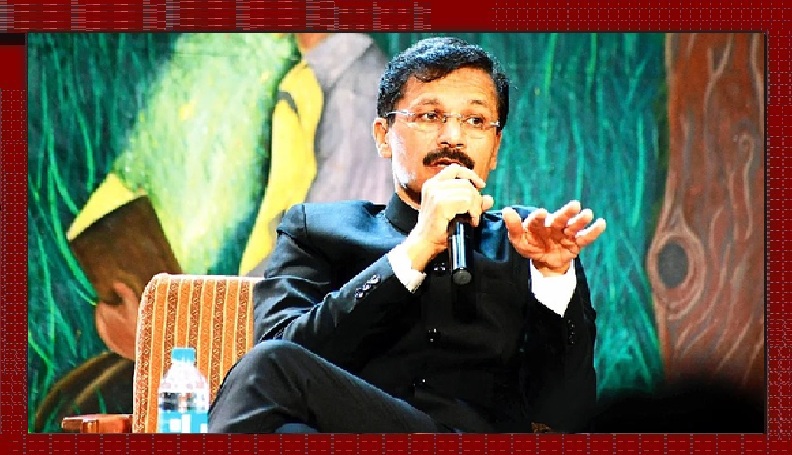
Speaking at a seminar at Karnavati University in Gandhinagar on September 26, Mundhe said food safety inspections and enforcement during festivals are fundamentally about protecting consumers. He stressed that such checks should not be viewed through the lens of culture, religion or the identity of a particular festival.
Mundhe also highlighted the changing nature of the food industry and said the Government of India is working towards developing rules and regulations for the rapidly expanding online food sector. According to him, the regulatory landscape needs to address business models that were either non-existent or not widely prevalent when India’s present food safety framework was introduced.
The Maharashtra FDA chief has recently drawn attention for enforcement action against food businesses that fail to meet prescribed safety standards. At the seminar, however, he placed the issue in a broader context, arguing that food safety needs a system that remains effective and consistent even as governments, officials and administrative priorities change.
Government Working on Rules for Emerging Online Food Businesses
Mundhe pointed out that India’s food sector has changed considerably since the existing regulatory framework was introduced. The rise of food e-commerce platforms, dark stores, large warehouses and cloud kitchens has created new questions for regulators that could not have been anticipated in the same form when the legislation was framed.
According to Mundhe, the Centre is working on regulations to address these emerging areas and close gaps in the existing system. The regulatory challenge is no longer limited to traditional restaurants, manufacturers, retailers or street food vendors, as technology has created entirely new ways of producing, storing, marketing and delivering food to consumers.
The areas requiring greater regulatory attention include food e-commerce platforms, dark stores, food warehouses, cloud kitchens and other emerging food business models. Mundhe also stressed the importance of using technology to improve implementation and enforcement.
He said state FDA commissioners who are part of central advisory committees continue to provide suggestions on new challenges and possible regulatory responses. The objective, as he described it, is to ensure that the regulatory system evolves proactively rather than waiting for problems to emerge before addressing them.
Why India’s Food Safety Framework Needs to Evolve
Mundhe also spoke about the significance of the Food Safety and Standards Act, 2006, which brought together a food safety system that had earlier operated under multiple laws.
The introduction of the legislation marked an important shift in the approach to food regulation. The focus moved beyond simply detecting or preventing food adulteration towards ensuring that food available to consumers met prescribed safety and quality standards.
But the food sector has changed dramatically since then. Technology has transformed how food is ordered and delivered, while new business structures have changed how food is stored, prepared and supplied.
Mundhe indicated that these changes require attention at several levels, including policy, legislation, implementation, infrastructure, public awareness and consumer participation. In other words, updating food safety cannot be limited to changing regulations on paper. The enforcement system and public understanding of food safety also need to evolve.
Maharashtra’s Technology-Based Food Complaint System
Mundhe highlighted Maharashtra’s use of technology as an example of how food safety enforcement can become more transparent and responsive. The state has a dedicated complaints portal through which consumers can register food safety-related complaints.
The system also allows complainants to provide their geographical location, after which complaints can be automatically assigned to the appropriate officers. This technology-driven approach makes it possible to register complaints online, identify their location, assign them to officials and monitor their progress.
It also creates a mechanism through which authorities can track how complaints are being handled. Mundhe stressed that technology should be used to its fullest potential in food safety administration.
A system that combines digital complaints, location-based information and monitoring can help authorities respond more systematically while also improving transparency in enforcement.
Food Safety Begins at Home Too
For Mundhe, food safety is not only a regulatory issue. He also pointed to the role of consumers and households in maintaining safe food practices. During the seminar, he highlighted the fact that consumers may sometimes discover expired products in their own homes, including commonly used items such as spices.
His larger point was that food safety awareness should not stop once food leaves a regulated business establishment. Households also need to pay attention to expiry dates, storage practices and the condition of food products.
Restaurants and food businesses have regulatory responsibilities, but consumers have a role to play as well. Mundhe broadly identified three key groups in the food safety ecosystem: food business operators and enterprises, regulators such as the Food Safety and Standards Authority of India and State Food and Drug Administrations, and the general public.
Food safety, therefore, requires participation from all three. Regulation alone cannot create a safe food system if businesses do not comply and consumers remain unaware of basic safety practices.
Maharashtra Steps Up Food Safety Checks During Festivals
Mundhe also explained Maharashtra’s approach to food safety enforcement during festivals and made it clear that the inspections are not aimed at any particular culture, religion or festival.
According to him, the state has issued a standing order under which festivals are categorised into state-level, regional-level and local-level festivals. The enforcement strategy is then implemented according to the category and begins before the festival itself.
The action plan operates in multiple phases. The first phase begins 21 days before the festival, followed by a second phase between 15 and 20 days before the festival. The third phase continues during the festival, while legal proceedings arising from violations are to be completed within 30 days after the festival. The standing order was issued shortly before the Ganesh festival, and the enforcement drive subsequently produced significant results, according to Mundhe.
Nearly 30,000 Kg of Food Products Seized and Destroyed
Mundhe said the festival enforcement exercise resulted in action against food businesses operating without the required registration and other violations. During the drive, around 250 to 300 licences were suspended, while nearly 30,000 kg of food products were seized and destroyed.
The total value of seized food products was estimated at around Rs 10 crore, according to the details shared by Mundhe. The enforcement action also included registration of FIRs in cases involving violations. Among the products seized were milk and milk products, including khoya or mava, which are widely used during festivals and in the preparation of sweets.
Mundhe said Maharashtra is now working towards developing a Standard Operating Procedure, or SOP, that can turn food safety enforcement into a continuous and more automated process. The intention is to move away from an approach where enforcement activity becomes especially visible only around major festivals.
Mundhe Flags High Trade Margins on Hospital Consumables
Food safety was not the only issue discussed by Mundhe during the seminar. He also raised concerns about the pricing of hospital consumables and the unusually high trade margins attached to certain products.
Mundhe said he had submitted a report to the Government of India based on actual data collected from hospitals. According to the figures he cited, trade margins on some hospital consumables ranged from 150% to more than 2,800%.
He acknowledged that some of these products may not technically fall within the category of essential items. At the same time, he argued that they can be essential in practical terms because patients routinely require them during hospitalisation.
Among the suggestions made in the report are capping trade margins, strengthening regulation and exploring whether certain products could come under the Drug Price Control Order, or DPCO. Mundhe said the Centre is examining the available options, although he added that he had not received any official feedback on the matter so far.
Focus Shifts Towards Continuous Food Safety Enforcement
The broader message from Mundhe’s address was that food safety cannot be treated as a seasonal exercise. Festivals may bring increased scrutiny because of the volume of food consumption and the heightened risk of violations, but enforcement and awareness need to continue throughout the year.
The expansion of online food businesses adds another layer to the challenge. Cloud kitchens, dark stores, warehouses and digital food platforms have changed the traditional food supply chain, creating regulatory questions that require updated rules and stronger implementation mechanisms.
Mundhe also emphasised that regulations should be implemented not merely in letter but in spirit. That requires food businesses to comply, regulators to enforce standards consistently and consumers to remain aware of the food they purchase and consume.
As India’s food sector continues to change, the approach outlined by the Maharashtra FDA chief points towards a system that combines updated regulations, technology-based enforcement, stronger institutional mechanisms and greater public participation. The aim, ultimately, is to make food safety an everyday responsibility rather than something that becomes a major focus only during festivals or after violations have already occurred.
I have also retained the Rs 10 crore seizure figure, nearly 30,000 kg of food products, 250-300 suspended licences, 150% to 2,800% hospital-consumable margins, and the 21-day/15-20-day/30-day enforcement timeline because these are among the strongest factual details in the source and are useful for SEO and reader engagement.