

U.S. Scraps Planned Trump–Putin Summit After Russia Issues Tough Memo on Ukraine Where Moscow’s Demands for Territorial Concessions Lead to Cancellation of Budapest Talks
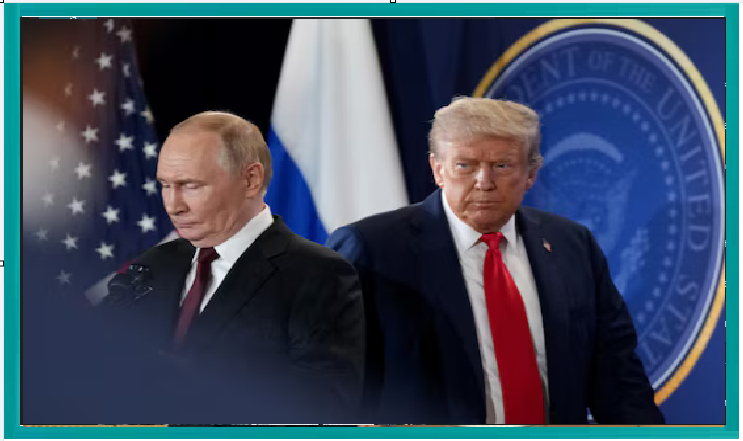
The Financial Times has reported that the United States has cancelled the planned summit between President Donald Trump and Russian President Vladimir Putin, which was scheduled to take place in Budapest later this month, following Moscow’s insistence on a set of rigid preconditions for peace in Ukraine.
Moscow’s Memo Triggers Diplomatic Fallout
According to the report, Russia sent a formal memorandum to Washington restating President Vladimir Putin’s key demands—including that Ukraine surrender additional territory, drastically reduce its military strength, and provide binding guarantees of never joining NATO. These were framed by Moscow as essential to addressing what it termed the “root causes” of the ongoing conflict.
The memo effectively derailed preparations for the meeting, which had been expected to mark a potential diplomatic thaw. The FT, citing individuals familiar with the matter, said the situation escalated following a tense phone exchange between Russian Foreign Minister Sergei Lavrov and U.S. Secretary of State Marco Rubio, after which Rubio advised Trump that Russia was not serious about compromise.
Washington Pulls the Plug
In the wake of that conversation, the White House decided to call off the summit altogether, viewing Moscow’s position as incompatible with any meaningful negotiation. Reuters noted it was unable to independently verify the Financial Times’ account, and both U.S. and Russian officials declined immediate comment.
Trump’s Stand on Ukraine
President Trump has consistently voiced support for an immediate ceasefire along existing front lines, rejecting any requirement for Kyiv to relinquish more land. The cancellation of the summit signals that the U.S. will continue to back Ukraine’s sovereignty and territorial integrity, even as it pursues diplomatic options to end the war.
Ukraine’s Position Remains Firm
Earlier this month, Ukrainian President Volodymyr Zelensky reiterated his government’s readiness to engage in peace talks but emphasized that Kyiv would not withdraw its forces from any territory under Russian demand. He maintained that peace must be based on “justice, not capitulation.”
The suspended summit highlights the continuing impasse in U.S.–Russia relations, with both sides unwilling to shift from their core positions—Moscow pressing for territorial recognition and Washington insisting on Ukraine’s right to self-determination.