

Who Is Ujjwal Kumar Ghosh? 2008-Batch IAS Officer Gets Additional Charge at Export Inspection Council
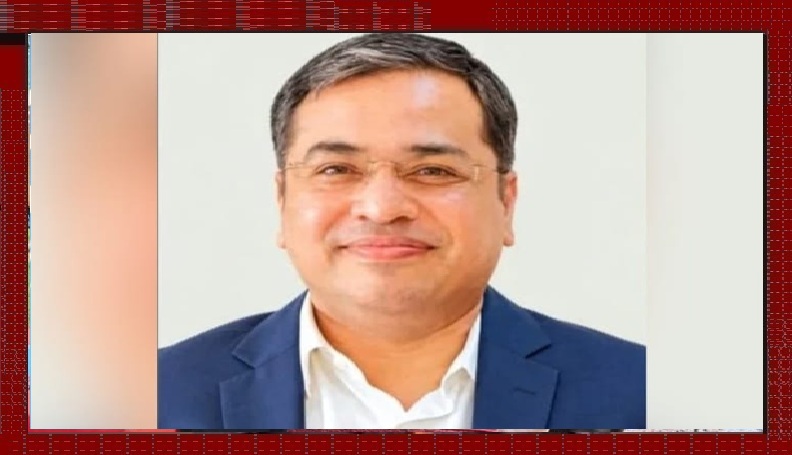
Senior IAS officer Ujjwal Kumar Ghosh, a 2008-batch officer of the Karnataka cadre, has taken on an additional responsibility at the Export Inspection Council of India (EIC), adding an important export quality-control assignment to his existing role in the Union government.
Ghosh, who is currently serving as Joint Secretary in the Department of Commerce under the Ministry of Commerce and Industry, has been given additional charge as Director (Inspection & Quality Control) at the EIC for a period of six months. He will continue with his existing responsibilities in the Department of Commerce while handling the additional assignment at the export inspection body.
The latest administrative arrangement places a senior civil servant with extensive experience in district administration, state-level governance and central government policy work in a position closely connected with the inspection, certification and quality-assurance framework for Indian exports. His new role at the EIC also brings together his present experience in the Department of Commerce with a more operational responsibility involving export standards and compliance.
Who Is Ujjwal Kumar Ghosh?
Ujjwal Kumar Ghosh is a 2008-batch Indian Administrative Service officer of the Karnataka cadre. Born on August 12, 1978, he is a direct-recruit IAS officer whose career has covered a wide range of assignments in both the Karnataka government and the Government of India.
His educational qualifications include B.Sc. and M.Sc. degrees from Allahabad University, according to available civil-service profile records. He is also proficient in English, Hindi and Kannada, reflecting the linguistic and administrative experience he has developed during his career in Karnataka and at the Centre.
Ghosh began his career in Karnataka after joining the IAS in 2008 and subsequently handled responsibilities in district administration, local governance, state departments and specialised administrative organisations. His career trajectory eventually took him to the Union government, where he moved into the field of commerce and international trade.
Ghosh’s Current Role in the Department of Commerce
Before taking on the EIC assignment, Ghosh was already holding a significant position in the central government. He is serving as Joint Secretary in the Department of Commerce, Ministry of Commerce and Industry.
According to a Department of Commerce notification, his appointment as Joint Secretary took effect from January 19, 2026. The appointment is for a tenure of five years or until further orders, whichever is earlier.
His responsibilities at the Department of Commerce place him within the government’s broader trade and export administration framework. The position involves dealing with policy matters and engagement with exporters, industry bodies and other stakeholders connected with India’s international trade.
His involvement in export-related matters was also visible in June 2026, when the Press Information Bureau identified him as Joint Secretary, Department of Commerce, during an interaction with agricultural and marine exporters in Kochi. The discussions involved issues concerning agricultural exports, marine products, export promotion bodies and opportunities emerging from free trade agreements.
The EIC assignment now gives Ghosh a more direct administrative role in one of the institutional mechanisms supporting India’s export quality and certification system.
Additional Charge at Export Inspection Council
The Export Inspection Council of India plays a key role in the country’s export quality-control architecture. The organisation works under the Ministry of Commerce and Industry and is responsible for inspection and certification activities relating to export commodities.
Its functions include quality assurance, consignment-wise inspection and certification, as well as certification related to food safety. The EIC also issues certificates of origin for exporters under various preferential trade arrangements.
The council operates through its field organisation and Export Inspection Agencies, which undertake inspection and certification functions for different categories of products.
These activities are important because exporters often have to meet specific technical, safety and quality requirements prescribed by overseas markets.The EIC’s official website currently identifies Ujjwal Kumar Ghosh, IAS, as Director (I&Q/C), reflecting his new additional responsibility.
What Does the Director of Inspection and Quality Control Do?
The Director (Inspection & Quality Control) occupies a position directly connected with the functioning of the EIC’s inspection and quality-assurance mechanisms. The role is therefore closely linked with maintaining standards that help Indian exporters meet regulatory and technical requirements in international markets.
For food and agricultural products in particular, quality and safety certification can be critical to accessing overseas markets. Different countries and trading blocs can have their own requirements relating to food safety, production standards, traceability, packaging and other aspects of export compliance.
The EIC’s certification and inspection framework is intended to provide assurance that products covered by its mandate meet applicable standards. Ghosh’s additional assignment consequently places him in an administrative role that connects government policy with the practical implementation of export inspection and certification.
Experience as Deputy Commissioner
Ghosh’s career before his move to the Centre included substantial field-level administrative experience in Karnataka. He served as Deputy Commissioner in districts including Uttara Kannada and Kalaburagi.
He served as Deputy Commissioner of Uttara Kannada from 2014 to 2016, according to records of his Karnataka service, before subsequently taking up the responsibility of Deputy Commissioner of Kalaburagi.
The position of Deputy Commissioner is one of the most important field-level administrative assignments in the IAS. It involves coordination among different government departments and responsibility for a broad range of district-level functions, including revenue administration, development programmes, public service delivery and coordination with local authorities.
These assignments gave Ghosh first-hand experience of government functioning at the district level before his career moved into more specialised state and central government roles.
A Career Across Several Karnataka Departments
Ghosh’s career in Karnataka has included a wide variety of assignments. His documented postings include responsibilities as Chief Executive Officer of Zilla Panchayats, Additional Commissioner, Additional Chief Electoral Officer, Executive Director, Managing Director and Commissioner.
He has also worked in areas involving finance, urban administration, personnel, administrative reforms, local governance and e-governance. This range of assignments has given him exposure to both field administration and policy-oriented government work.
His experience as Additional Chief Electoral Officer, for example, brought him into the electoral administration system, while his assignments in local governance and Zilla Panchayats involved direct interaction with grassroots institutions and development programmes.
His work in e-governance also added a technology-oriented dimension to his administrative experience, while positions involving finance and personnel exposed him to the internal management of government systems.
Move From Karnataka to the Union Government
The move to the Department of Commerce marked another significant phase in Ghosh’s career. At the Centre, his responsibilities shifted from the broad range of state administration to matters associated with trade, exports and commerce policy.
As Joint Secretary, he has been involved in interactions with exporters and other stakeholders, including businesses operating in agricultural and marine sectors. Such engagement is important because export policy is closely linked with the practical concerns of industries seeking access to international markets.
India’s export ecosystem involves multiple government agencies and institutions, and the EIC is one of the organisations responsible for ensuring that specified export commodities meet applicable inspection and certification requirements.
Ghosh’s new role at the EIC therefore fits within the broader area of work already associated with his Department of Commerce assignment.
Why the EIC Assignment Is Significant
The quality of exported goods can directly affect their acceptance in international markets. Products that fail to meet the required standards may face restrictions, additional testing, rejection or other trade-related complications, making inspection and certification an important part of the export process.
The EIC’s work is particularly relevant to commodities where food safety, quality assurance and regulatory compliance are closely monitored. Its functions also extend to certification of origin under preferential trade arrangements, which can be relevant when exporters seek benefits available under specific trade agreements.
For Ghosh, the six-month additional charge therefore adds a specialised export-related responsibility to his existing central government portfolio. It also gives him an opportunity to bring his experience in administration and commerce policy into an institution dealing with the practical aspects of export inspection and certification.
A Broader Administrative Career
Ghosh’s latest assignment reflects the breadth of his career since joining the IAS in 2008. His professional journey has taken him through district administration in Karnataka, local government and development institutions, election administration, e-governance, finance and other state-level responsibilities before moving to the Union government’s Department of Commerce.
Now, with additional charge of Director (Inspection & Quality Control) at the Export Inspection Council, his responsibilities extend further into India’s export quality framework.
The arrangement is for six months, subject to the appointment of a regular incumbent or further government orders. During this period, Ghosh will continue serving as Joint Secretary in the Department of Commerce while also overseeing the EIC assignment, making it another significant addition to the portfolio of the 2008-batch Karnataka-cadre IAS officer.