
Haryana Police Records 23,154 Fingerprint Matches Through NAFIS in 10 Months; Identifies 25 Unidentified Bodies
Haryana Police uploaded more than 72,000 fingerprints to the national database between January and October 2026, resulting in 23,154 successful matches. The system also helped identify 25 unidentified bodies, while 94 fingerprints recovered from crime scenes matched existing records.
Haryana Police has recorded 23,154 successful fingerprint matches through the National Automated Fingerprint Identification System (NAFIS) between January 1 and October 31, 2026, highlighting the growing role of forensic technology in criminal investigations.
During the 10-month period, the state police uploaded 72,172 fingerprints belonging to arrested accused persons, convicts and unidentified individuals to the national database. The system also assisted in identifying 25 unidentified bodies, providing investigators with crucial leads in cases where establishing identity was a challenge.
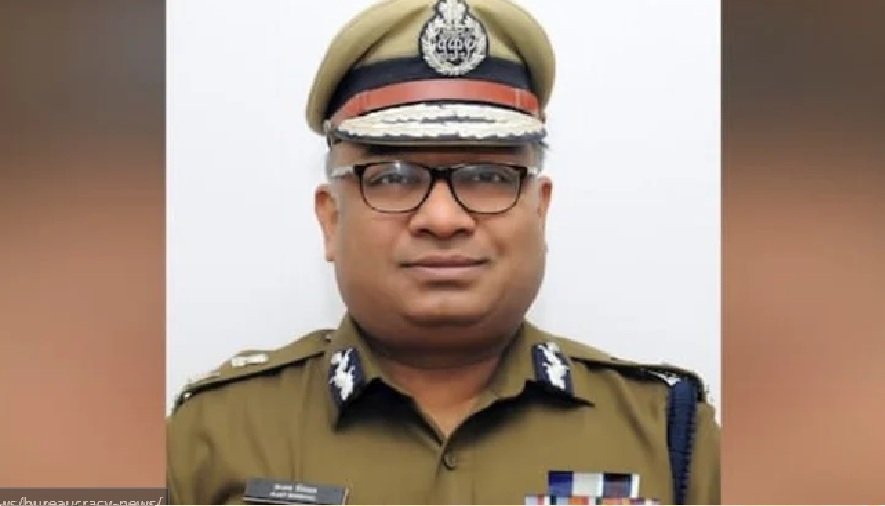
Haryana Director General of Police (DGP) Ajay Singhal, a 1992-batch IPS officer of the Haryana cadre, said scientific evidence and technology were becoming increasingly important in criminal investigations.
He noted that NAFIS and the Measurement Collection Unit (MCU) were helping police establish identities, examine the criminal antecedents of suspects and identify possible links between cases registered in different locations.
NAFIS Records 23,154 Successful Fingerprint Matches
The fingerprint records uploaded by Haryana Police are compared against the national database to identify individuals whose fingerprints have previously been recorded by law-enforcement agencies.
This process can help investigators establish the identity of suspects, access relevant criminal records and examine possible connections between incidents reported in different districts or states.
The key figures recorded between January 1 and October 31, 2026, are:
* 72,172 fingerprints: Uploaded to the NAFIS database.
* 23,154 successful matches: Recorded through fingerprint comparisons.
* 25 unidentified bodies: Identified with the assistance of fingerprint matching.
* 3,415 chance prints: Recovered from crime scenes, verified and uploaded.
* 94 chance-print matches: Matched successfully with existing fingerprint records.
The figures demonstrate how fingerprint analysis is being used for both routine identification and the examination of forensic evidence collected during criminal investigations.
94 Crime-Scene Fingerprints Matched With Existing Records
Haryana Police has also used NAFIS to analyse chance prints recovered from crime scenes. Chance prints are fingerprints unintentionally left behind on objects or surfaces. Forensic teams collect and examine these impressions during investigations to identify individuals who may have come into contact with the relevant objects.
Of the 3,415 chance prints verified and uploaded during the reporting period, 94 matched existing fingerprint records. These matches provided investigative leads in cases involving murder, robbery, theft and other offences. They can help investigators identify individuals already present in police databases and assess whether there is a possible connection with a particular crime.
MCU Creates Digital Identification Records of 48,281 Accused
Alongside NAFIS, Haryana Police is using the Measurement Collection Unit (MCU) to maintain digital identification records of accused persons. The system has created digital records for 48,281 individuals. These profiles include:
* Biographical details.
* Physical identification particulars.
* Photographs.
* Video records.
The information can assist investigating officers in identifying and verifying individuals during criminal investigations. While NAFIS facilitates fingerprint-based identification through a national database, MCU helps maintain digitised biographical and physical identification records. Together, the systems strengthen the state’s digital identification infrastructure.
Haryana Police Sets Up 100 NAFIS and MCU Workstations
To expand access to these technological facilities, Haryana Police has established 100 workstations across districts, subdivisions and specialised units.
The infrastructure includes:
* NAFIS workstations: 69
* MCU workstations: 31
* Total workstations: 100
DGP Ajay Singhal has directed officers to ensure the effective use of these facilities and the regular updating of fingerprint and biometric records. He emphasised that technology-driven investigations could improve the accuracy and efficiency of crime detection, help trace inter-state criminal networks and reduce the possibility of innocent persons facing unnecessary harassment.
What Is NAFIS and How Does It Help Police Investigations?
The National Automated Fingerprint Identification System (NAFIS) is a national-level fingerprint database implemented by the National Crime Records Bureau (NCRB) under the Ministry of Home Affairs.
It enables authorised law-enforcement agencies to search and compare fingerprint records collected during investigations against existing records in the national database. By connecting fingerprint identification systems across States and Union Territories, NAFIS helps investigators conduct comparisons beyond their own jurisdictions.
The system can assist police agencies in:
* Identifying individuals through fingerprint records.
* Matching chance prints recovered from crime scenes.
* Establishing possible links between separate criminal investigations.
* Identifying unidentified bodies through available fingerprint records.
* Checking the criminal antecedents of individuals whose fingerprints match existing records.
Haryana Police’s latest figures underline the expanding role of forensic science and digital identification in policing. The combination of fingerprint matching, crime-scene analysis and digitised identification records is providing investigators with additional tools to pursue cases and establish identities.