

From Government Files to Film Reels: IAS Officer Ashwani Kumar Steps Into Acting With Devyani
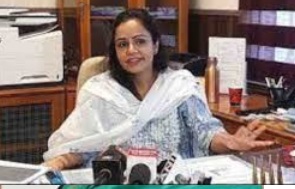
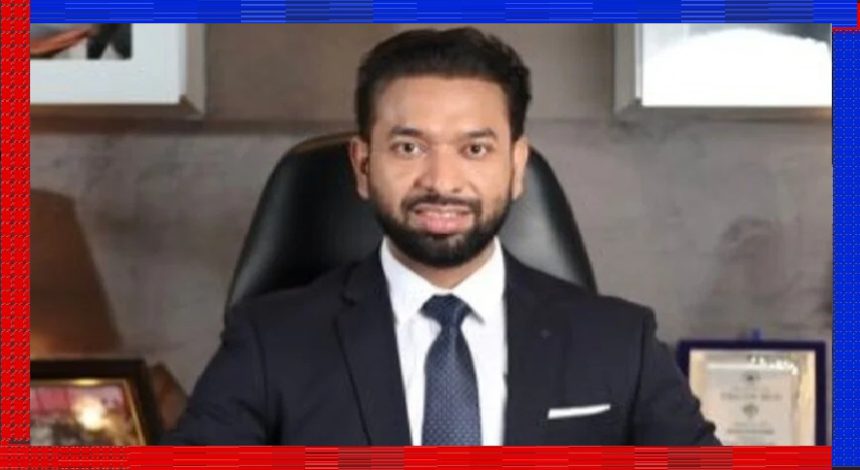
It’s not every day you hear about a serving IAS officer swapping government files for a film script, but that’s exactly what’s happening with Ashwani Kumar. An IITian turned civil servant, Kumar is making his acting debut in a short film called Devyani, and the subject matter he’s chosen to tackle is far from casual entertainment. The film digs into women’s safety, empowerment, and the everyday freedom to simply exist without fear, themes that clearly matter to him beyond just being a script on paper.
Kumar currently holds the post of Director DITEC and Secretary IT in the Assam Government, so cinema isn’t exactly his usual line of work. Yet he says the whole idea for Devyani didn’t come out of nowhere. It grew out of things he’d actually witnessed around him over the years, situations that stuck with him long enough to eventually turn into a film concept. That’s a big part of why the project feels personal rather than performative.
What makes Devyani a bit different from the usual women centric films is the angle it takes. Instead of pushing the tired old narrative where women are shown purely as people who need protecting, the film flips that script and asks why women can’t be the protectors themselves. It puts the spotlight on how capable women already are across so many different fields, whether that’s cracking competitive exams, excelling in sports, or serving in the Army and the Air Force.
Kumar is quick to clarify that this isn’t about pitting men against women or creating some kind of gender divide. His actual point is much simpler than that: a society genuinely moves forward when both men and women get to grow together, side by side, without one holding the other back.
To make sure the message actually reaches the people who need to hear it early, a special screening of Devyani was arranged for school students. Giving young viewers a shot at engaging with these themes while they’re still forming their worldview seems to be a deliberate choice here. The film doesn’t shy away from touching on tough subjects either, including female foeticide and the kind of social attitudes that quietly limit what women feel they’re allowed to do or become.
Kumar believes that storytelling through cinema has a unique power to make these heavy conversations easier to digest, especially for a younger audience that might tune out a straightforward lecture but stay engaged with a story.
At the core of it, his vision is refreshingly uncomplicated. He just wants a world where girls can step out of their homes without constantly looking over their shoulder, and where they can chase their ambitions without running into unnecessary roadblocks put up by tradition or fear.
Kumar’s years in public service seem to have shaped a lot of this thinking too. He’s talked about how his work has put him face to face with situations where women and girls genuinely struggle to report problems, sometimes because their own families don’t back them up the way they should.
He’s seen cases where, instead of being told to speak up and seek help, women facing real difficulties were quietly nudged to just stay indoors and avoid drawing attention. That kind of experience, seeing the gap between what should happen and what actually happens, clearly left a mark on him.
He’s also tried to walk the talk within his own workplace. Last year, he asked the women in his office to tie him a Rakhi, and the idea behind it wasn’t just a festive gesture. He wanted to build an environment where those colleagues would feel comfortable enough to actually open up about whatever concerns they had, without hesitation or fear of judgment.
Kumar’s logic here is pretty straightforward too: when women feel genuinely safe and supported at work, their confidence naturally grows, and so does their productivity. It’s less about grand policy and more about small, human gestures that build trust over time.
On the acting side, Kumar had plenty to say about sharing screen space with actor Archana Gautam in Devyani. He was clearly impressed by her dedication and sincerity on set, and admitted that working alongside her gave him a fresh appreciation for what artists actually put into their craft. He’s always considered himself someone deeply committed to his professional duties, but stepping onto a film set apparently opened his eyes to a different kind of hard work altogether, the kind that goes into creating something entirely new. He called that creative ability remarkable, and said it left him genuinely inspired.
Then there’s his bond with actor Rajat Bedi, who’s making his own comeback to the industry with Aapki Deewani. Kumar doesn’t hold back when describing their relationship, calling Bedi a brother rather than just a co-star or a professional acquaintance.
He believes close friends essentially become extended family, and that standing by them through difficult times matters just as much as celebrating the good ones. Interestingly, his involvement in Bedi’s project was kept under wraps until the release, known only to people who were directly working on it. He also had warm words for Bedi’s work ethic and focus, saying the actor is someone he personally draws inspiration from.
Balancing a demanding administrative career with a brand new creative pursuit sounds exhausting on paper, but Kumar doesn’t really see it that way. He doesn’t frame his life as some kind of nonstop multitasking exercise. Instead, his approach is about giving complete, undivided attention to whatever he’s doing in that particular moment. When he’s at work, his focus stays locked on his official responsibilities. Once he’s home, that attention shifts entirely toward his family.
It seems like the same mindset is now guiding how he’s approaching his cinematic side project as well, treating it as its own dedicated space rather than something squeezed in between meetings.
Kumar also had a bit of advice for young people navigating today’s social media heavy world. He doesn’t dismiss platforms like Instagram and Facebook outright, acknowledging they can genuinely be useful sources of information. But he’s clearly wary of how easily they can spiral into addiction if people aren’t careful.
His advice boils down to something worth remembering: knowing when to start using these platforms is one thing, but knowing when to stop and redirect that energy toward your next real goal is just as important, maybe even more so.
In many ways, Devyani feels like a natural extension of everything Kumar has been saying all along. It’s a new platform for him personally, sure, but the underlying purpose stays exactly the same as what’s guided his public service career, using whatever tools are available to push society a little closer toward fairness and genuine progress.